How to Fix Garbage Disposal Humming But Not Spinning
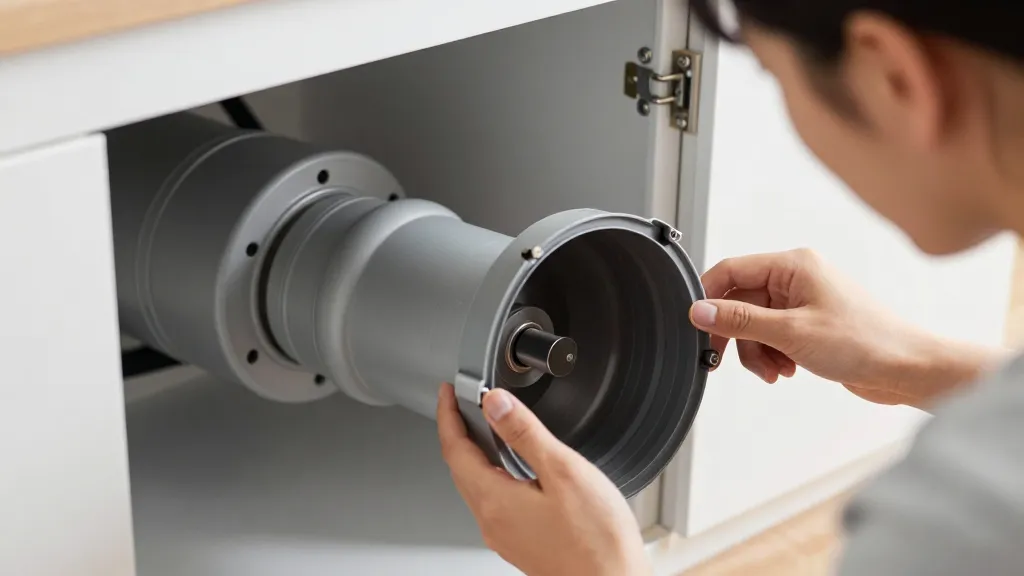
If your garbage disposal is humming but not spinning, it can be frustrating and confusing. This issue often points to a jam or an electrical problem, but with the right steps, you can fix it yourself. The main keyword for this article is 'How to Fix Garbage Disposal Humming But Not Spinning,' and we’ll guide you through diagnosing and resolving the problem. Homeowners can troubleshoot this issue without calling a professional by following simple, practical solutions. Understanding the common causes and taking the right actions can save you time and money. In this article, we’ll cover everything from identifying the problem to resetting the disposal and preventing future issues. Whether you’re dealing with a jammed blade or an electrical malfunction, you’ll find clear steps to get your garbage disposal working again.
Understanding Why Your Garbage Disposal Is Humming But Not Spinning
A garbage disposal that hums but doesn't spin can be frustrating and confusing. This issue often signals a mechanical or electrical problem, and understanding the root cause is essential for effective troubleshooting. Most humming issues can be resolved with basic steps, so it's worth trying a few simple solutions before calling a professional.
Common Causes of a Humming Garbage Disposal
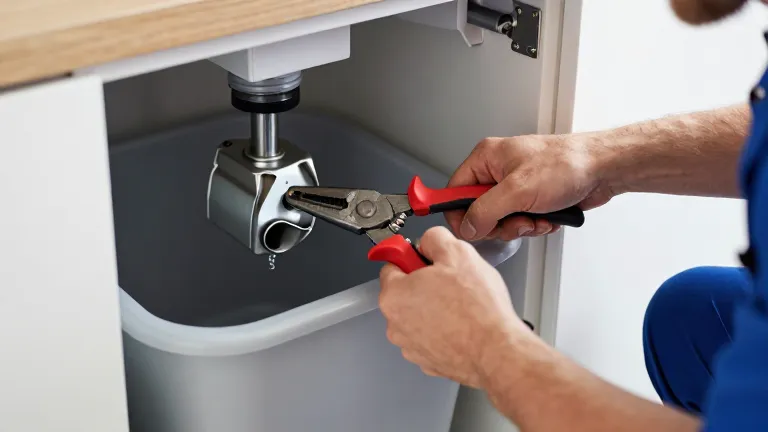
The most common causes of a humming garbage disposal include a jammed blade, a faulty motor, or an electrical issue. When the blades are blocked by food debris or foreign objects, the motor may still run but the blades won't turn, resulting in a humming sound. Similarly, a worn-out motor or damaged wiring can cause the motor to work without moving the blades. In some cases, the overload protection on the motor may activate, causing it to hum without spinning.
How to Diagnose the Problem
To diagnose the problem, start by checking if the disposal is receiving power. Ensure the circuit breaker hasn't tripped and that the switch is in the 'on' position. Next, inspect the disposal for visible jams or blockages. If the blades are jammed, turn off the power and manually clear the obstruction using a pair of pliers or a disposer wrench. If the humming continues after clearing the jam, the issue may be with the motor or wiring, which requires further inspection or professional assistance.
Step-by-Step Guide to Fix a Garbage Disposal That's Humming But Not Spinning
Fixing a garbage disposal that is humming but not spinning requires a safe and methodical approach. Turning off the power and clearing any jams are the first steps in resolving this issue. These actions can help prevent further damage and restore the disposal’s functionality.
- Turn off the power to the garbage disposal to avoid electrical hazards.
- Check for jams and manually clear them using a hex key or pliers.
- Reset the disposal by pressing the reset button if it's jammed.
- Ensure the disposal blades are free to rotate and not obstructed.
How to Turn Off the Power to Your Garbage Disposal
Before attempting any repairs, turn off the power to the garbage disposal. This can be done by switching off the circuit breaker that controls the disposal or unplugging the unit. Turning off the power ensures your safety and prevents the motor from accidentally starting during the repair process.
How to Clear a Jam in the Disposal
To clear a jam, locate the access panel beneath the sink and remove it to access the disposal unit. Use a hex key or pliers to manually rotate the blades in the direction they normally spin. If the blades are stuck, gently twist them until they move freely. Avoid using excessive force, as this can damage the unit.
After clearing the jam, check for any foreign objects or food particles that may be lodged in the disposal. If the blades are still not moving, try pressing the reset button located on the bottom of the unit. This can help disengage the motor and allow the blades to spin again.
How to Reset the Garbage Disposal and Unjam the Blades
Resetting your garbage disposal can resolve issues where it hums but doesn't spin. The reset button is often hidden under the sink or on the bottom of the unit. Using a small object like a paperclip to press the button can help restore normal function. However, it's important to approach this carefully to avoid damaging the blades or electrical components.
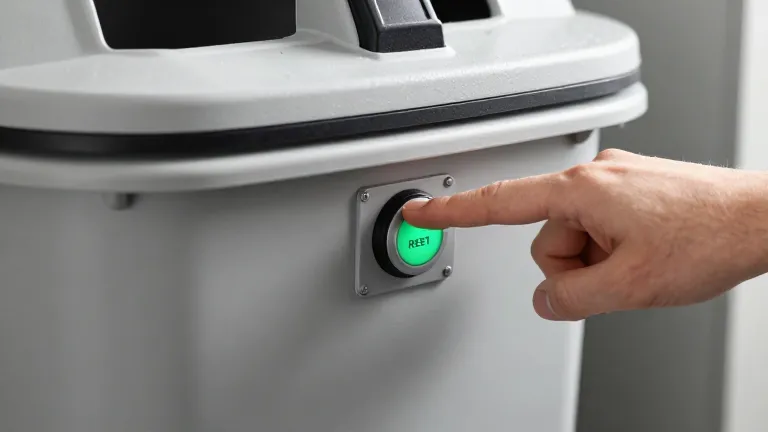
- Locate the reset button, which is usually found under the sink or on the bottom of the disposal unit.
- Use a small object such as a paperclip or a bent wire to press and hold the reset button for a few seconds.
- Avoid applying excessive force when attempting to unjam the blades, as this can cause further damage.
- Once the reset button is pressed, turn the power back on and test the disposal to see if it spins normally.
Locating the Reset Button on Your Garbage Disposal
The reset button on a garbage disposal is typically located under the sink or on the bottom of the unit. It is often covered by a small panel or cap that can be removed with a screwdriver. This button is designed to reset the motor and clear any minor electrical faults that may be preventing the disposal from spinning.
How to Use the Reset Button to Fix the Issue
After locating the reset button, use a small object like a paperclip to press and hold it for a few seconds. This action can help reset the motor and clear any temporary issues. Once the button is pressed, restore power to the disposal and test it by running water and checking if it spins normally. If the disposal still doesn't work, further troubleshooting may be required.
What to Do If the Disposal Still Won't Spin After Basic Fixes
If your garbage disposal continues to hum without spinning after trying basic fixes, the issue may extend beyond simple jams or power issues. A persistent humming sound can signal a more serious problem, such as a faulty motor, an overloaded circuit, or a blockage further down the drain system. Addressing these underlying issues requires a more thorough inspection and, in some cases, professional assistance.
Checking the Electrical Supply to the Disposal
Begin by checking the circuit breaker that supplies power to the garbage disposal. A tripped breaker can prevent the motor from engaging, even if the disposal appears to be receiving electricity. Locate the breaker box and look for a switch labeled for the disposal. If the breaker is tripped, reset it and test the disposal again. If the issue persists, the motor or internal wiring may be damaged, requiring replacement.
Inspecting the Drain Pipe for Blockages
Inspect the drain pipe for blockages that could be causing pressure buildup and contributing to the humming sound. Remove the disposal’s access panel and use a flashlight to look for debris or clogs in the P-trap or drain line. A blockage can cause the disposal to work harder, leading to unusual noises. If you find a clog, use a plunger or a drain snake to clear it. If the pipe is severely obstructed or damaged, you may need to call a plumber for further assistance.
Preventative Tips to Avoid Future Garbage Disposal Issues
Preventative maintenance can significantly extend the life of your garbage disposal and reduce the risk of future issues. By adopting simple habits and regular care, you can avoid common problems like jams, clogs, and breakdowns.
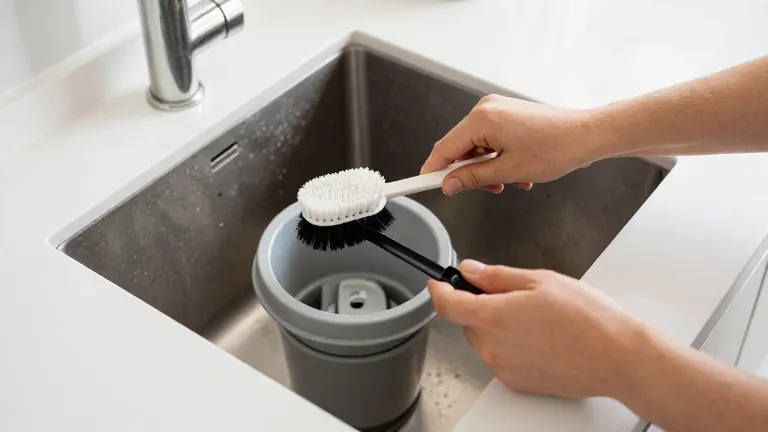
- Avoid putting hard or fibrous materials into the disposal.
- Run cold water while using the disposal to help solidify grease.
- Regularly clean the disposal to prevent jams and buildup.
- Maintain the disposal by checking for wear and tear on the blades.
What Not to Put in Your Garbage Disposal
Avoid putting hard or fibrous materials into the disposal. Items like bones, corn husks, and fibrous vegetables can get stuck in the blades and cause jams. These materials are difficult to break down and can damage the motor over time. Instead, dispose of such items in a sealed bag or compost bin to prevent clogging and ensure the disposal operates smoothly.
How to Clean and Maintain Your Disposal
Regularly cleaning the disposal helps prevent buildup and ensures optimal performance. Use a mixture of baking soda and vinegar to neutralize odors and break down grease. After letting the mixture sit, flush it with hot water to clear away residue. Additionally, running cold water while using the disposal helps solidify grease, preventing it from sticking to the blades and causing blockages. This simple habit can reduce the likelihood of jams and maintain the efficiency of your disposal over time.
Frequently Asked Questions
What should I do if my garbage disposal is humming but not spinning?
First, turn off the power to the disposal and check for jams. If the blades are blocked, use an Allen wrench to manually rotate them. If the issue persists, locate the reset button and press it to restart the unit.
How do I reset the garbage disposal if it's jammed?
Turn off the power to the disposal, then press and hold the reset button for 10 seconds. If the reset button is not visible, consult the user manual or look for a small hole near the base of the unit.
What are the signs that my garbage disposal motor is faulty?
A humming sound without spinning, a burning smell, or the disposal not responding to the reset button are all signs of a faulty motor. These issues may require professional repair or replacement.
Can I use a plunger to unjam my garbage disposal?
A plunger is not effective for unjamming a garbage disposal. Instead, use an Allen wrench to manually rotate the blades or try the reset button. Avoid using tools that could damage the unit.
Final Thoughts and Next Steps
Fixing a humming garbage disposal that isn't spinning involves checking for jams, resetting the unit, and inspecting electrical connections. If these steps don't resolve the issue, the motor or drain pipe may need professional attention.
Regular maintenance and avoiding inappropriate items in the disposal can prevent future problems. Always turn off the power before attempting any repairs to ensure safety.