How to Set Up a Mesh WiFi Network with Multiple Routers
Many homeowners and apartment dwellers struggle with inconsistent WiFi coverage, especially in larger spaces or multi-level homes. A weak signal in certain areas can lead to dropped connections, slow streaming, and unreliable internet. Setting up a mesh WiFi network with multiple routers offers a practical solution to eliminate dead zones and ensure a stable, high-speed connection throughout your home. This guide walks you through the process, from understanding the basics of mesh networks to configuring and optimizing multiple routers for seamless performance.
A mesh WiFi network uses interconnected devices to extend coverage, while using multiple routers can provide more control and flexibility. This article explains how to plan your setup, select the right equipment, and connect your routers to create a unified network. Whether you're dealing with interference or simply want better coverage, the steps provided will help you build a reliable WiFi environment without professional assistance.
Once your mesh network is established, optimizing it for speed and stability is key. We’ll cover techniques to reduce interference, improve signal strength, and troubleshoot common issues like overlapping signals or connectivity problems. With the right approach, you can enjoy a consistently strong WiFi experience across your home.
Understanding Mesh WiFi Networks and Multiple Routers
A mesh WiFi network is a system of interconnected devices that work together to provide seamless internet coverage throughout a home or office. Unlike a traditional single-router setup, which has a central point of connection, a mesh network uses multiple nodes or routers to create a web of coverage, eliminating dead zones and improving signal strength.
What Is a Mesh WiFi Network?
A mesh WiFi network consists of a primary router connected to the modem and additional satellite routers or nodes that extend the network's reach. These nodes communicate with each other wirelessly, creating a unified network that dynamically routes data through the strongest available signal. This decentralized structure ensures that users can move freely within the coverage area without experiencing drops in connectivity or latency.
Why Use Multiple Routers in a Mesh Setup?
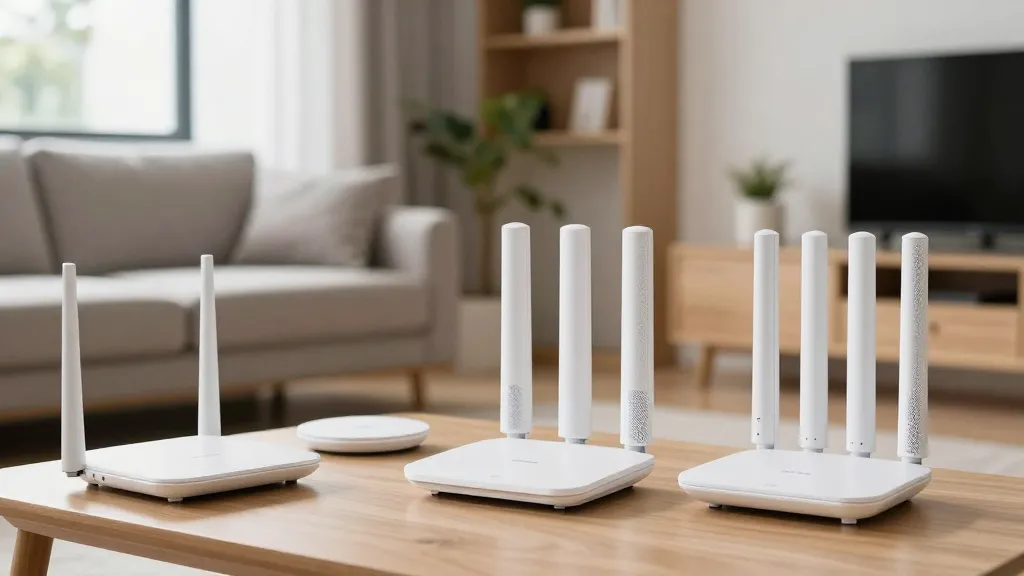
Using multiple routers in a mesh setup is especially beneficial for larger homes or areas with poor signal due to physical obstructions or distance. Each router can be strategically placed to cover a specific section of the home, ensuring consistent performance across the entire space. This approach is also advantageous in multi-story buildings or open-plan spaces where a single router may struggle to provide adequate coverage.
While dedicated mesh systems offer a streamlined and often more reliable solution, using multiple routers can be a cost-effective alternative for those with existing hardware. However, configuring multiple routers as a mesh network requires careful planning to avoid interference and overlapping signals. This method may also require more technical expertise compared to using a dedicated mesh system, which typically comes with user-friendly setup tools.
Planning Your Mesh WiFi Network Setup
Before installing a mesh WiFi network with multiple routers, you need to plan carefully to ensure optimal coverage and performance. This involves evaluating your home's structure, determining how many routers you'll need, and selecting compatible devices that can work together seamlessly.
Assessing Your Home for WiFi Coverage
Start by mapping out your home to identify dead zones and areas with weak WiFi signals. Use a WiFi analyzer app or perform a manual test by moving around your home to see where the signal drops. Pay attention to walls, floors, and large objects that might block or weaken the signal. Once you have a clear picture of your WiFi coverage, you can estimate how many routers will be needed to ensure full coverage.
Selecting the Right Routers for Your Setup
Choose routers that are compatible with mesh networking or can be configured to work together. Look for routers that support the same WiFi standards, such as 802.11ac or 802.11ax (Wi-Fi 6), to ensure they can communicate effectively. If you're using multiple routers from different brands, make sure they can be integrated into a single network. Place each router in a central location to maximize coverage, spacing them evenly to avoid signal overlap and interference.
Configuring Multiple Routers as a Mesh Network
Configuring multiple routers as a mesh network requires careful setup to ensure seamless connectivity and optimal performance. Each router must be connected to the main network, and settings should be adjusted to prevent interference and improve signal strength. Once all devices are properly configured, testing the network will confirm coverage and performance across your home.
- Connect each router to your main router or internet source using an Ethernet cable or Wi-Fi backhaul.
- Set up the same SSID and password across all routers for seamless roaming and easy access.
- Adjust router settings to avoid interference, such as changing channels and disabling unnecessary features.
- Test the network to ensure coverage and performance across your home.
Connecting Routers to the Main Network
To connect each router to the main network, use an Ethernet cable to link the main router to the first satellite router. This ensures a stable connection and reduces reliance on Wi-Fi backhaul. Repeat this process for additional routers, placing them strategically to cover dead zones. Ensure that each satellite router is within range of the main network to maintain strong signal strength.
Setting Up a Unified WiFi Network
Setting up a unified WiFi network involves configuring all routers with the same SSID and password. This allows devices to switch between routers automatically without interruption. Access the admin panel of each router and navigate to the wireless settings section to make these changes. It’s important to use the same security protocol, such as WPA3, to maintain consistent protection across the network.
Optimizing Your Mesh WiFi Network for Better Performance
Optimizing your mesh WiFi network involves fine-tuning settings and physical placement to enhance signal strength and performance. By managing router channels, enabling QoS, and updating firmware, you can create a more stable and efficient network that meets your household needs.
Reducing Interference for Better Signal
Adjusting router channels helps minimize interference from neighboring networks, especially in densely populated areas. Most mesh systems allow automatic channel selection, but manually choosing less congested channels can improve speed and reliability. For optimal results, use WiFi analyzer tools to identify the least crowded channels and assign them to each router in your mesh network.
Improving Speed and Stability
Quality of Service (QoS) settings let you prioritize bandwidth for critical devices like smart home systems, gaming consoles, or video streaming devices. By allocating more bandwidth to these devices, you ensure smoother performance during high-traffic times. Most mesh routers offer QoS options through their apps, allowing you to set rules based on device type or IP address. Regularly review and adjust these settings to adapt to changing usage patterns.
Strategic router placement is essential to avoid signal overlap and eliminate dead zones. Position routers in central locations and elevate them to improve coverage. Ensure each router has a clear line of sight to its neighbors and avoid placing them near metal objects or thick walls that can block signals. Firmware updates are also crucial for maintaining security and performance, so check for updates regularly through your router’s management interface.
Troubleshooting Common Issues in a Mesh WiFi Setup
Troubleshooting a mesh WiFi network involves identifying and resolving common issues like signal interference, device connectivity problems, and performance bottlenecks. By addressing these concerns systematically, you can ensure a stable, high-speed network that covers your entire space.
- Check for overlapping WiFi channels and adjust router settings to use non-overlapping channels.
- Ensure all routers are using the same encryption type and security protocols to avoid connection issues.
- Restart your routers periodically to clear temporary glitches and improve performance.
- Update firmware on all devices to ensure compatibility and security patches are applied.
Fixing Signal Interference and Overlap
Signal interference and overlapping channels are common causes of poor WiFi performance in a mesh network. Use WiFi analyzer tools to identify which channels are heavily used in your area. Adjust the channel settings on your routers to use non-overlapping channels, such as 1, 6, and 11 for 2.4 GHz. This reduces interference and improves signal strength across your home.
Resolving Connection and Performance Problems
Connection and performance problems can often be resolved by verifying that all routers are configured with the same encryption and security settings. Ensure that each router uses the same WiFi name (SSID) and password to prevent devices from being redirected to the wrong network. Also, check for firmware updates on all devices, as outdated software can cause instability and reduce speed. If issues persist, consider repositioning routers to avoid physical obstructions and improve signal reach.
Frequently Asked Questions
Can I use two routers to create a mesh network?
Yes, you can use two routers to create a mesh network. Ensure both routers support mesh technology or are compatible with the same mesh protocol. Place them strategically to cover different areas of your home.
How do I ensure all devices connect to the same WiFi network?
Use a unified WiFi name and password across all routers. Set up a single SSID in the router settings to prevent devices from connecting to different networks. Ensure all routers are on the same network.
What should I do if my mesh network is still having signal issues?
Check for physical obstructions and reposition the routers for better signal coverage. Reduce interference by avoiding other wireless devices. If issues persist, consider adding more routers or switching to a dedicated mesh system.
Can I use different brands of routers in a mesh setup?
It's generally not recommended to use different brands in a mesh setup, as they may not be compatible with each other. Use routers from the same brand or ensure they support the same mesh protocol for seamless integration.
Final Thoughts
Setting up a mesh WiFi network with multiple routers can significantly improve coverage and performance. By following the steps outlined, you can create a seamless and stable network across your home.
To get started, assess your coverage needs and select compatible routers. Then configure them for a unified network and optimize settings for the best performance.