How to Fix Washing Machine Not Spinning or Agitating
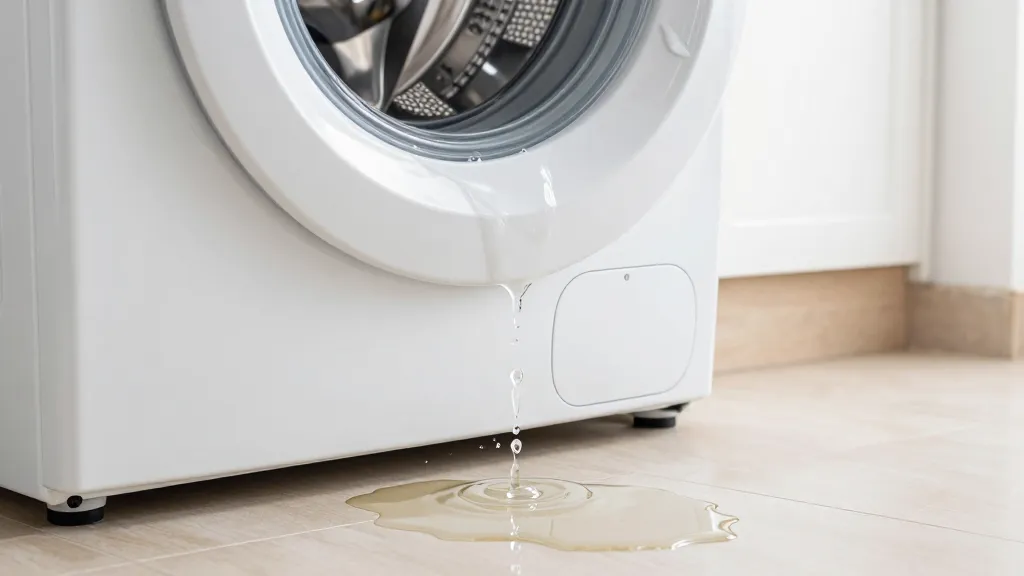
If your washing machine isn't spinning or agitating, it can disrupt your laundry routine and leave clothes unclean. This issue can stem from several common causes, including problems with the lid switch, motor, or belt. Knowing how to fix a washing machine not spinning or agitating can save you time and money by allowing you to troubleshoot the problem yourself. This guide covers the most frequent reasons for this malfunction and provides step-by-step solutions to help you restore your washer's performance. Whether you're a homeowner or an apartment dweller, understanding these fixes can empower you to handle the issue without calling a professional.
Identify Common Causes of a Washing Machine Not Spinning
A washing machine that fails to spin or agitate can be caused by a variety of mechanical and electrical issues. Understanding the most common causes can help you troubleshoot the problem effectively without needing to call a professional. From simple switches to more complex motor and belt problems, identifying the root cause is the first step in resolving the issue.
Lid Switch and Door Lock Problems
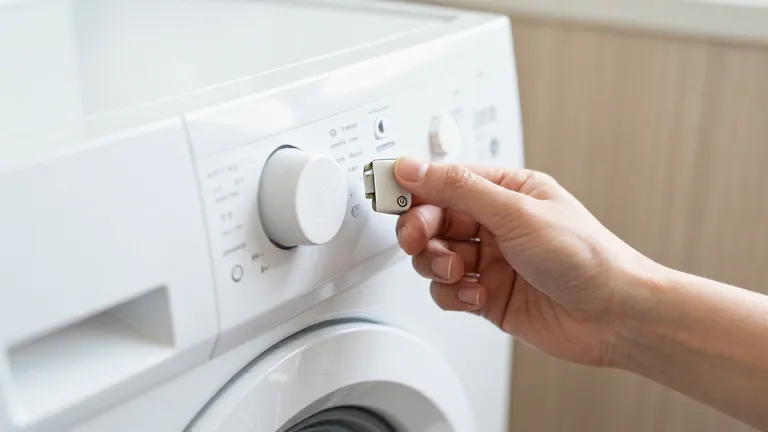
One of the most frequent reasons a washing machine does not spin or agitate is a faulty lid switch or door lock. These components ensure the machine only operates when the door is securely closed. If the switch fails, the machine may not start the spin cycle, even if the door appears closed. Testing the lid switch involves checking for continuity using a multimeter, and replacing it may resolve the issue.
Motor and Belt Issues
A malfunctioning motor or a loose belt is another common cause of spinning and agitation problems. The motor drives the drum, and a worn-out belt can prevent it from turning properly. If the machine starts but doesn't spin, inspecting the belt for wear or misalignment can help identify the problem. Replacing the belt or repairing the motor may be necessary to restore normal function.
Additionally, issues with the water level sensor can prevent the washing machine from entering the spin cycle. This sensor detects how much water is in the drum and determines when to switch to the spin cycle. If it malfunctions, the machine might not progress past the wash phase. Checking the water supply and ensuring the sensor is clean and functioning correctly can help resolve this issue.
Check the Lid Switch and Door Lock
The lid switch and door lock are essential components that control the spinning and agitation functions of your washing machine. If these components are malfunctioning, the machine may not spin or agitate properly. Begin by ensuring the lid is fully closed and latched, as improper closure can trigger safety mechanisms that prevent spinning. A faulty lid switch or misaligned door lock can also cause this issue, so thorough inspection and testing are crucial.
- Ensure the lid is fully closed and latched properly.
- Inspect the lid switch for damage or misalignment.
- Test the door lock by gently pushing and pulling it to see if it engages.
- Replace the lid switch if it is faulty or damaged.
- Reset the machine by unplugging it and plugging it back in.
How to Test the Lid Switch
To test the lid switch, first confirm that the lid is fully closed and latched. If the machine still doesn't spin, the lid switch may be faulty. Look for signs of damage, such as cracks or loose connections, and ensure the switch is properly aligned with the lid. If the switch is not making contact, it can prevent the machine from entering the spin cycle.
Replacing a Faulty Lid Switch
Replacing a faulty lid switch requires some basic tools and careful handling. Locate the switch, usually behind the lid or near the control panel, and disconnect the wiring. Remove the old switch and install the new one, ensuring all connections are secure. After installation, test the machine to verify that the lid switch is functioning correctly. If the issue persists, further electrical or mechanical checks may be necessary.
Inspect the Agitator and Drum Mechanism
The agitator and drum mechanism are critical components for the spinning and agitation process in a washing machine. If the machine isn't spinning or agitating properly, the issue may lie with the agitator itself. Checking for looseness, damage, or misalignment can help restore functionality.
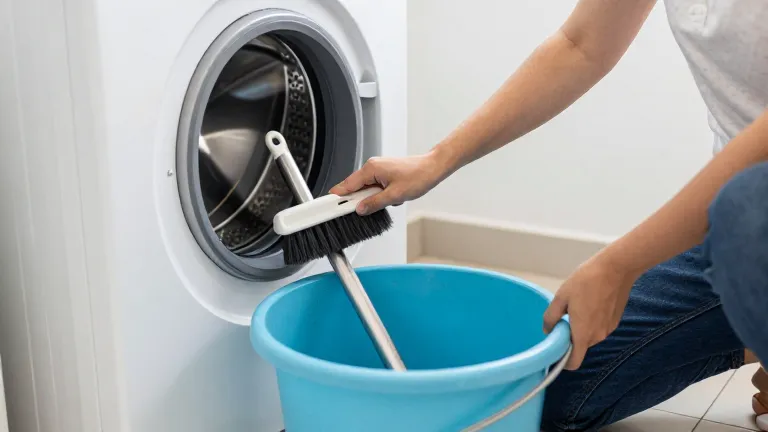
- Inspect the agitator for looseness or damage, and tighten or replace it if necessary.
- Ensure the agitator is properly aligned with the drum to prevent binding.
- Look for signs of wear or damage on the agitator shaft.
- Clean any debris or buildup around the agitator that may be preventing movement.
- Test the agitator manually to see if it moves freely.
Fixing a Loose or Damaged Agitator
To fix a loose or damaged agitator, first, unplug the washing machine for safety. Locate the agitator and check if it feels loose or wobbles when moved. If the agitator is loose, tighten the mounting bolts underneath the machine. If the agitator is damaged or broken, it may need to be replaced. Replacement usually involves removing the agitator cover, disconnecting any cables, and installing a new unit.
Cleaning and Aligning the Agitator
Before cleaning, ensure the agitator is properly aligned with the drum. Misalignment can cause binding and prevent the agitator from moving freely. Use a wrench to adjust the alignment if needed. Clean any debris, such as fabric softener residue or lint, that may be trapped around the agitator. Use a soft brush or cloth to remove buildup. After cleaning, test the agitator manually to confirm it moves smoothly and without resistance.
Check for Electrical and Mechanical Issues
Electrical and mechanical issues can prevent a washing machine from spinning or agitating. Start by verifying that the machine is properly connected to a working power source and that the circuit breaker has not tripped. If the machine is receiving power but still fails to spin, inspect for signs of electrical faults such as overheating or burning smells, which may indicate a more serious problem requiring professional attention.
Troubleshooting Electrical Problems
Begin by inspecting the power cord for any visible damage, such as fraying or cracks, and ensure the outlet is functional by testing it with another appliance. If the machine is plugged in but not working, check the circuit breaker to see if it has tripped. If the breaker has reset, try running the machine again. If the problem persists, unplug the machine and consult an electrician, as electrical faults can be dangerous and difficult to diagnose without proper tools.
Testing and Replacing the Motor or Belt
To test the motor, listen for unusual noises such as grinding, humming, or screeching during operation. If the motor does not turn or makes strange sounds, it may be worn out or damaged. In such cases, replacing the motor is necessary to restore function. Similarly, inspect the belt for signs of wear, such as cracks or stretching, and replace it if it is loose or broken. A damaged belt can prevent the drum from spinning, even if the motor is working correctly.
Troubleshoot Water Level and Drainage Issues
If your washing machine isn't spinning or agitating, water level and drainage issues could be the culprit. Ensuring proper water flow and drainage is essential for the machine to function correctly. Begin by checking the water supply and drain system to identify and resolve any blockages or malfunctions.
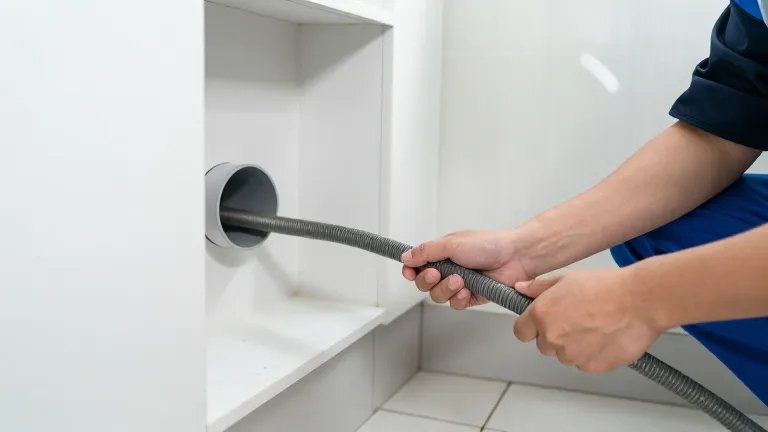
- Verify the water supply valve is fully open and the hose is free of kinks.
- Test the water level sensor for blockages or damage.
- Run a test cycle to confirm the machine fills with water properly.
- Clear any clogs in the drain hose or pump to ensure effective drainage.
- Reset the machine if the water level sensor is faulty.
Testing the Water Supply and Level Sensor
Start by checking the water supply valve located behind the washer. Ensure it is fully open and not partially closed. A restricted water supply can prevent the machine from filling correctly, leading to improper spinning and agitation. Also, inspect the water supply hose for kinks, cracks, or leaks. A kinked hose can restrict water flow and cause the machine to malfunction.
Clearing Drainage Blockages
If the water supply appears fine, the issue may lie with the water level sensor. This component detects how much water is in the drum and signals the machine to start the spin cycle. Blockages or damage to the sensor can lead to incorrect water levels and prevent the machine from operating as intended. To test this, run a test cycle and observe if the machine fills properly. If it does not, the sensor may need cleaning or replacement.
For drainage issues, inspect the drain hose and pump. A clogged drain hose or a faulty pump can prevent water from draining, causing the machine to stop mid-cycle. Check the hose for any kinks or blockages, and ensure it is properly connected to the drain. If the pump is damaged or clogged, it may need to be cleaned or replaced. A blocked pump can also lead to water pooling inside the machine, affecting its ability to spin and agitate.
Frequently Asked Questions
What should I do if my washing machine is not spinning but still filling with water?
If your washing machine is filling with water but not spinning, the issue may be with the motor, belt, or lid switch. First, check the lid switch to ensure it’s working properly. If the problem persists, inspect the motor and belt for damage or wear.
Can a faulty lid switch cause my washing machine to stop agitating?
Yes, a faulty lid switch can prevent the washing machine from agitating or spinning. The lid switch signals the machine to start the spin cycle. If it’s not working correctly, the machine may not activate the agitator or motor.
How do I know if the motor or belt in my washing machine is broken?
A broken motor or belt may cause the washing machine to stop spinning or make unusual noises. If the machine doesn’t spin at all, or if the belt is frayed or broken, the motor may need repair or replacement.
What if my washing machine is not spinning but the agitator is moving?
If the agitator is moving but the machine isn’t spinning, the issue could be with the motor or the clutch. Check for loose or damaged parts, and inspect the motor for signs of wear or failure.
Next Steps and Maintenance Tips
To resolve a washing machine not spinning or agitating, start by checking the lid switch and motor. Ensure the agitator is properly aligned and free of blockages. If the issue persists, inspect the belt and motor for damage. Regular maintenance can help prevent these problems.
If your washing machine continues to have spinning or agitation issues, it’s best to consult a professional technician. They can diagnose and repair more complex mechanical or electrical faults.