How to Fix Microwave Running But Not Heating Food
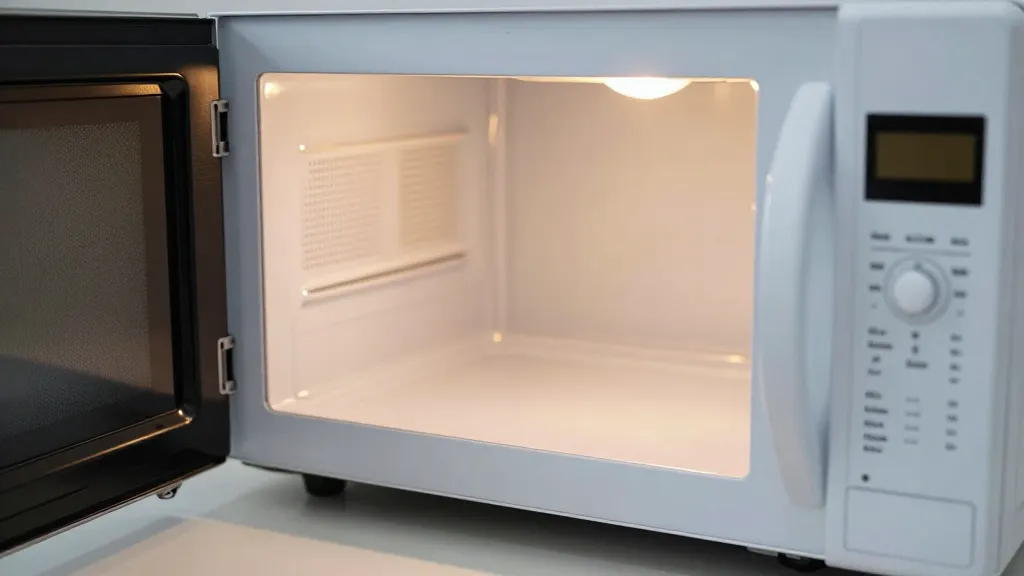
If your microwave is running but not heating your food, it can be frustrating—especially when you're short on time. This issue often points to a problem with key components like the magnetron or door switch, both of which are essential for proper microwave function. The main keyword, How to Fix Microwave Running But Not Heating Food, is central to understanding and resolving this common issue. In this article, we’ll walk you through the causes and solutions for a microwave that runs but fails to heat food, helping you troubleshoot without needing professional help.
We’ll start by explaining how the magnetron and door switch work together to generate heat, then move on to practical steps for testing and fixing these components. Whether you're a homeowner or a busy professional, these troubleshooting tips will empower you to identify and resolve the problem efficiently. By following this guide, you can save time and money while keeping your microwave in optimal condition.
In addition to troubleshooting, we’ll share preventive maintenance tips to help you avoid future issues. Proper care and regular checks can extend the life of your microwave and ensure it functions reliably when you need it most. Let’s dive into the details and get your microwave working properly again.
Understanding Why Your Microwave Is Running But Not Heating
If your microwave is running but not heating food, the issue likely stems from internal components that generate or control heat. Understanding these components and their functions can help you identify the root cause without needing professional assistance.
What Is a Magnetron and Why It Matters
The magnetron is the core component responsible for generating microwaves, which heat food. When this part fails, the microwave may still operate but without producing heat. Common signs of a faulty magnetron include uneven heating, prolonged cooking times, or no heat at all. While magnetrons can last several years, they are prone to wear and tear, especially if the microwave is used frequently or exposed to electrical surges.
How the Door Switch Affects Heating
The door switch plays a critical role in ensuring the microwave operates safely. It prevents the magnetron from activating when the door is open, but if the switch is damaged or misaligned, it can disrupt the heating process. A faulty door switch may cause the microwave to run without heating, or it may prevent the door from closing properly. Regular inspection and maintenance of the door switch can help avoid this issue and ensure the microwave functions as intended.
Step-by-Step Guide to Troubleshoot a Microwave That Isn't Heating
Before diving into complex diagnostics, start with basic checks to rule out simple issues. Ensuring your microwave is properly powered and the door functions correctly can often resolve the problem without requiring advanced tools.
- Check if the microwave is receiving power and if the outlet is working.
- Verify the door switch by testing the door's closure and movement.
- Inspect the magnetron and other internal components for visible damage or wear.
How to Test the Microwave Door Switch
Begin by confirming that the microwave is connected to a working outlet. Use a lamp or another appliance to test the circuit. If the outlet is faulty, the microwave may run but fail to generate heat. Also, check for tripped circuit breakers or blown fuses that could be preventing power from reaching the appliance.
How to Check the Magnetron and Other Components
To verify the door switch, close the microwave door and observe if the display lights up. If the door is not fully closed or the switch is damaged, the microwave may not heat. Gently move the door to ensure it moves freely and check for any obstructions. A faulty door switch can prevent the magnetron from activating, leading to the microwave running without heating.
How to Test the Magnetron in Your Microwave
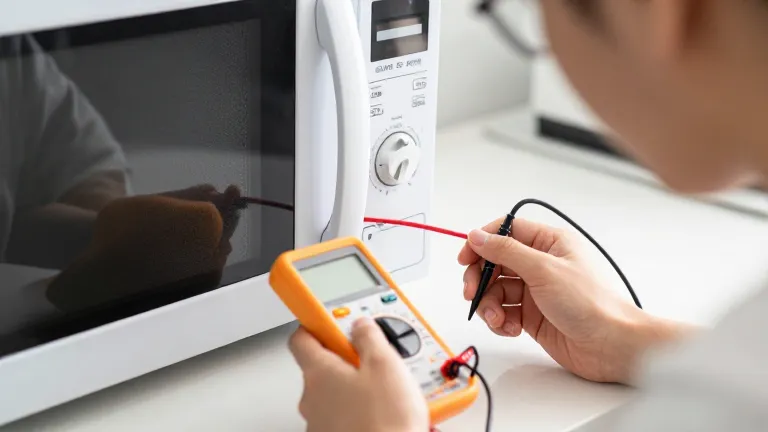
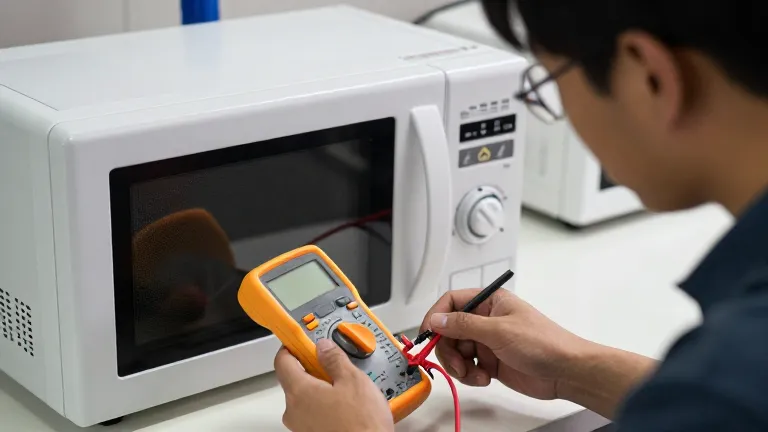
Testing the magnetron is a critical step in diagnosing why your microwave isn't heating food. The magnetron is the component responsible for generating the microwaves that heat your food, and a faulty one can prevent the appliance from functioning properly. Using a multimeter to check the magnetron’s resistance and continuity can help determine if it needs replacement.
Tools Needed for Magnetron Testing
To test the magnetron, you'll need a multimeter, which is a common tool for electrical diagnostics. Ensure the microwave is unplugged and allow it to cool down before starting. The multimeter will help measure the resistance and continuity of the magnetron’s terminals, which can indicate whether it is functioning correctly.
How to Safely Test the Magnetron
To safely test the magnetron, locate it inside the microwave, usually near the back or top. Carefully remove the cover and disconnect the magnetron from the wiring harness. Use the multimeter to test the resistance between the terminals. A reading of around 2 to 5 ohms is typical, but values may vary depending on the model. If the resistance is outside this range or if there is no continuity, the magnetron is likely faulty and should be replaced.
Fixing the Microwave Door Switch Problem
A faulty microwave door switch can prevent the appliance from heating food, even if the magnetron is functioning properly. This switch ensures the microwave only operates when the door is securely closed. Testing and replacing it can quickly restore normal operation.
- Turn off the microwave and unplug it to ensure safety before testing the door switch.
- Locate the door switch, usually found near the hinge or on the door frame, and inspect for physical damage.
- Use a multimeter to test for continuity across the switch terminals; a faulty switch will show no continuity.
- If the switch is defective, replace it with a compatible model, ensuring correct wiring and secure installation.
How to Test the Door Switch
To test the door switch, start by disconnecting the microwave from power to avoid electrical hazards. Open the microwave door and locate the switch, typically situated near the hinge or along the door frame. Use a multimeter set to the continuity mode to check for a complete circuit. A good switch will register continuity when the door is closed, while a faulty one will show no reading. This test confirms whether the switch is the root cause of the heating issue.
Replacing the Door Switch
Replacing the door switch involves removing the microwave door panel to access the switch. Carefully disconnect the old switch and install the new one, ensuring the wiring connections are secure. Reassemble the door panel and test the microwave by closing and opening the door to verify the switch functions correctly. A properly replaced switch should allow the microwave to heat without interruption, restoring full functionality.
Preventive Maintenance Tips for Your Microwave
Regular maintenance and mindful use can significantly extend the life and efficiency of your microwave. By following a few simple practices, you can avoid common issues that lead to poor performance and ensure your appliance remains safe and functional over time.
How to Keep Your Microwave in Good Condition
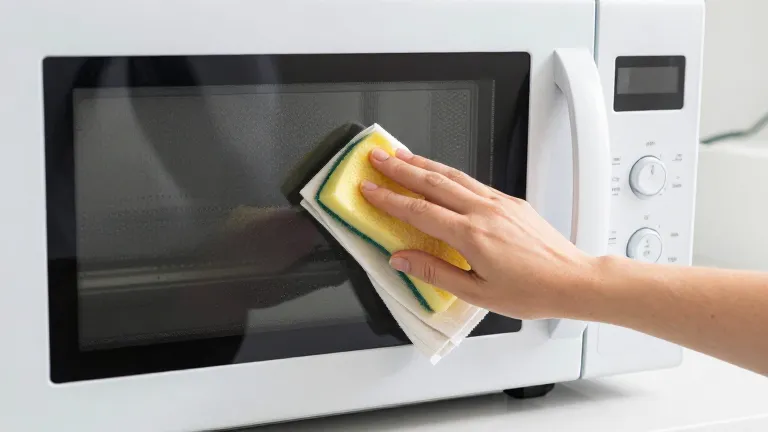
Cleaning your microwave regularly is essential to prevent the buildup of food residue and grease, which can affect its performance and even cause odors. Wipe the interior and exterior with a damp cloth and mild detergent, and avoid using abrasive cleaners that may damage the surface. Pay special attention to the door seals and corners where spills can accumulate, as these areas are prone to mold and bacteria growth.
Best Practices for Microwave Use
Ensure your microwave door closes properly and that the seals are intact to prevent heat loss and potential safety hazards. A misaligned door can lead to uneven heating and may even cause the microwave to stop working altogether. Inspect the door hinges and seals periodically, and replace any damaged parts to maintain optimal functionality. Additionally, avoid overloading the microwave, as this can strain the motor and reduce heating efficiency. Use microwave-safe containers and avoid metal or plastic items that may interfere with the microwave’s operation.
Frequently Asked Questions
Can a faulty door switch cause the microwave to run but not heat?
A faulty door switch can prevent the microwave from heating, even if it runs. The switch ensures the magnetron only activates when the door is closed. If the switch is damaged or misaligned, the microwave may operate but not generate heat.
How do I test the magnetron without professional help?
To test the magnetron, you'll need a multimeter. Turn off the microwave, unplug it, and check for continuity across the magnetron terminals. A lack of continuity indicates a faulty magnetron that needs replacement.
Is it safe to test the microwave door switch myself?
Testing the microwave door switch is generally safe if done carefully. Ensure the microwave is unplugged and allow it to cool before handling internal components. Avoid contact with any high-voltage parts.
What should I do if the microwave still doesn't heat after checking the door switch?
If the microwave still doesn't heat after checking the door switch, inspect other components like the magnetron, high-voltage diode, or transformer. These parts can also cause heating issues. If unsure, consult a professional technician.
Final Thoughts
Regular maintenance and understanding common issues can help you address problems with your microwave. If your microwave runs but doesn't heat, start by checking the door switch and magnetron, as these are key components. If these aren't the issue, consult a professional for further diagnosis.
By following these steps, you can often resolve issues with your microwave. If the problem persists, seek expert assistance to avoid further damage or safety risks.