How to Fix Samsung Fridge Error Code E2
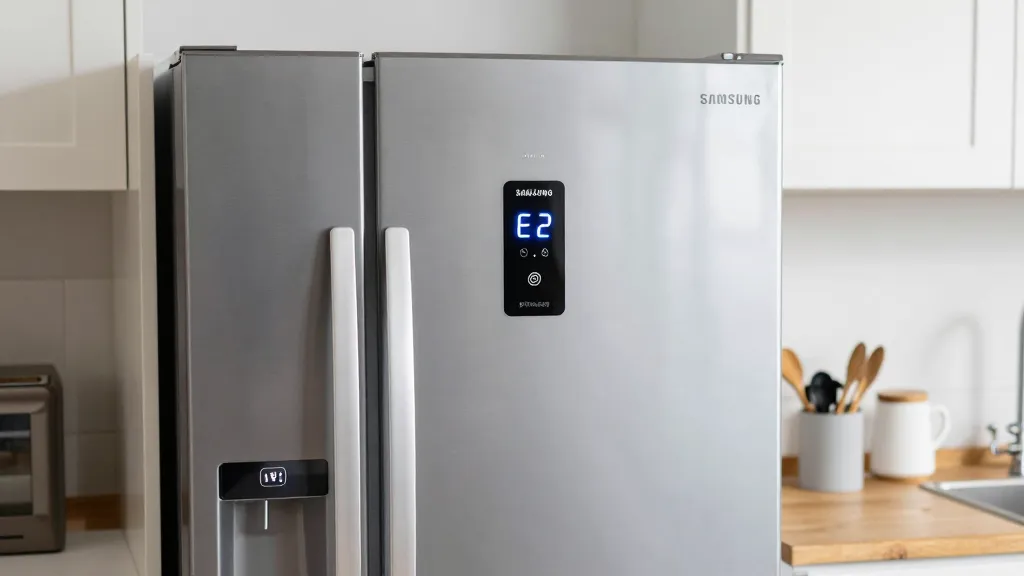
If your Samsung fridge is displaying error code E2, it can be frustrating, especially when you're relying on it to keep your food fresh. Error code E2 typically indicates a problem with the cooling system or temperature control, which can lead to inefficient cooling or even food spoilage. Understanding what causes this error and how to fix it can save you time and money by avoiding unnecessary service calls. This article provides a comprehensive guide on how to fix Samsung fridge error code E2, covering common causes, step-by-step solutions, and when to seek professional assistance. Whether you're a homeowner or living in an apartment, these practical tips can help you troubleshoot and resolve the issue effectively.
The first step in addressing error code E2 is to understand its meaning and potential causes. This error often arises from issues such as temperature sensor malfunctions, blockages in the cooling system, or improper fridge placement. By identifying the root cause, you can take targeted actions to resolve the problem. This guide walks you through each step of the troubleshooting process, ensuring you have the knowledge to handle the issue confidently.
From resetting the fridge to checking temperature settings and ventilation, this article covers all the essential steps to fix Samsung fridge error code E2. It also explains how to inspect the refrigeration system for blockages and ensure the fridge is level and stable. If the issue persists, the guide outlines when to replace faulty components like the temperature sensor or compressor, and when to contact a professional technician. With these steps, you can address error code E2 at home and maintain your fridge's efficiency and reliability.
Understanding the Samsung Fridge Error Code E2
The Samsung Fridge Error Code E2 is a common indicator that something is wrong with the refrigeration system. This error typically points to an issue with the temperature regulation, compressor function, or temperature sensor. Understanding what E2 means is the first step in resolving the problem and preventing further damage to your appliance.
What Does Error Code E2 Mean?
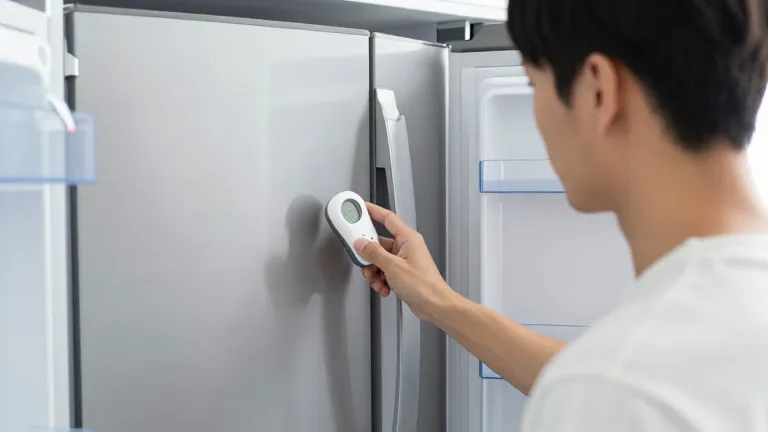
Error Code E2 on a Samsung fridge signifies a malfunction within the refrigeration system. This can include problems with the temperature sensor, which is responsible for monitoring and controlling the internal temperature. The error may also indicate an issue with the compressor, which is essential for circulating the refrigerant and maintaining the cold temperature inside the fridge. In some cases, the error could be related to the cooling system itself, such as blockages or improper airflow.
Common Causes of Error Code E2
Common causes of Error Code E2 include incorrect temperature settings or poor ventilation inside the fridge. If the temperature is set too low or the fridge is not properly ventilated, it can lead to excessive cooling and trigger the error. Another potential cause is a faulty temperature sensor, which may not be accurately reading the internal temperature, resulting in incorrect system responses. Additionally, the compressor may be failing or experiencing electrical issues, which can prevent it from operating correctly and cause the E2 error to appear. Identifying these causes is crucial for selecting the most effective solution.
Step-by-Step Guide to Fix Samsung Fridge Error Code E2
The first step in resolving the Samsung Fridge Error Code E2 is to address potential temporary glitches and ensure the fridge is operating under optimal conditions. By resetting the fridge, checking its temperature settings, and ensuring proper ventilation, you can often resolve the issue without further intervention.
- Reset the fridge by unplugging it for 10 minutes, then plugging it back in to clear any temporary system errors.
- Verify that the temperature settings are within the recommended range, typically between 35°F and 40°F for the fridge and 0°F to 5°F for the freezer.
- Ensure the fridge has adequate ventilation by keeping it at least 2 inches away from walls and allowing airflow around the condenser coils.
- Check the door seals for damage or misalignment, as poor sealing can lead to temperature fluctuations and trigger the E2 error.
How to Reset Your Samsung Fridge
Resetting your Samsung fridge is a simple yet effective way to address minor system errors that may be causing the E2 code. Begin by unplugging the fridge from the power source for at least 10 minutes to allow the internal systems to reset. After this period, plug the fridge back in and wait for it to restart. This process can clear temporary glitches in the control board or temperature sensors, which may be the root cause of the error.
Checking Temperature Settings and Ventilation
Proper temperature settings and ventilation are crucial for the fridge to function correctly. The fridge compartment should be set between 35°F and 40°F, while the freezer should be between 0°F and 5°F. Incorrect settings can lead to inefficient cooling and trigger the E2 error. Additionally, ensure the fridge has sufficient space for air to circulate. Avoid placing items directly behind the fridge or blocking the vents, as this can restrict airflow and cause overheating. Regularly cleaning the condenser coils can also improve airflow and prevent the E2 error from recurring.
Troubleshooting the Refrigeration System
Troubleshooting the refrigeration system is crucial for resolving Samsung fridge error code E2. Issues within the cooling system can prevent proper temperature regulation, leading to error codes. This section outlines key checks to identify and address common problems in the refrigeration system.
Checking for Blockages in the Cooling System
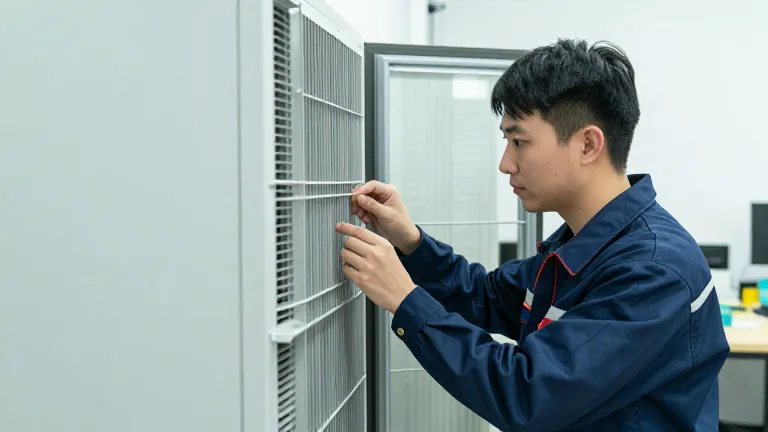
Inspect the fridge's cooling system for blockages. Over time, dust, food particles, or ice buildup can obstruct vents, coils, or air pathways, hindering airflow and causing the fridge to overheat. Locate the condenser coils at the back or bottom of the fridge and use a soft brush or vacuum to remove debris. Ensure that the air vents inside the fridge are not blocked by items or excessive frost buildup.
Ensuring the Fridge Is Level and Stable
Verify that the fridge is level and stable. An unlevel fridge can cause the compressor to work harder, leading to overheating and error code E2. Use a spirit level to check the base of the fridge and adjust the feet if necessary. A stable and level fridge ensures proper airflow and reduces strain on the cooling system. Additionally, check that the fridge is not placed near heat sources or in direct sunlight, as this can affect its performance.
Replacing or Repairing Faulty Components
Replacing or repairing faulty components is a critical step in resolving the Samsung Fridge Error Code E2. If the fridge’s internal systems are not functioning properly, damaged parts such as the temperature sensor, compressor, or wiring can cause the error to persist. This section outlines how to identify and address these components to restore your fridge’s performance.
- Replace the temperature sensor if it is faulty.
- Check the compressor for signs of wear or damage.
- Replace damaged wiring or connectors.
Replacing the Temperature Sensor
The temperature sensor is a key component that monitors the internal temperature of your fridge. If it is faulty, it may send incorrect readings to the control board, leading to the E2 error. To replace it, first unplug the fridge and locate the sensor, usually near the evaporator coil. Disconnect the wiring and install the new sensor, ensuring all connections are secure. Reconnect the power and test the fridge to see if the error resolves.
Repairing or Replacing the Compressor
The compressor is responsible for circulating refrigerant through the cooling system. If it is worn out or damaged, it can cause the fridge to overheat or fail to cool properly, triggering the E2 error. Inspect the compressor for unusual noises, excessive heat, or leaks. If it is not functioning correctly, it may need to be repaired or replaced by a professional. Before attempting any repairs, ensure the fridge is unplugged and allow the system to cool down to avoid injury.
When to Seek Professional Help
If you've tried all the self-troubleshooting steps and the E2 error continues, it's time to consider professional assistance. Some issues may require expertise beyond basic maintenance, especially when it comes to electrical or mechanical components. Knowing when to seek help can save you time and prevent further damage to your appliance.
Signs That You Need a Professional Technician
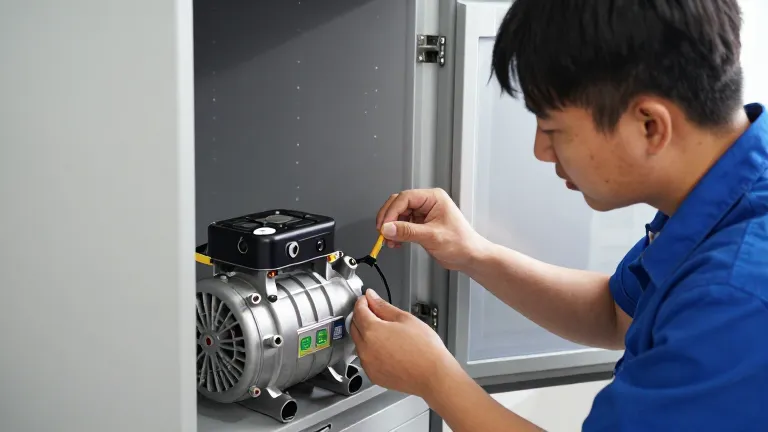
Signs that you need a professional technician include persistent E2 errors after following all troubleshooting steps, unusual noises from the fridge, or visible damage such as leaking or burning smells. If the fridge is not cooling properly despite correct settings and no blockages, it could indicate a deeper issue with the refrigeration system. Additionally, if the fridge is under warranty or has a service plan, contacting a professional early can help preserve your coverage.
How to Contact Samsung Support or a Repair Service
To contact Samsung Support, visit their official website and look for the customer service section, or call their toll-free number. Be prepared to provide details about your model, the error code, and the steps you've already taken. If your fridge is out of warranty, you can reach out to a licensed appliance repair service in your area. Always ensure that any technician you hire is certified and experienced with Samsung appliances to avoid further complications.
Frequently Asked Questions
What should I do if my Samsung fridge keeps showing error code E2?
Start by resetting the fridge and checking temperature settings. If the issue persists, inspect the cooling system for blockages and ensure the fridge is level. If these steps don’t resolve the problem, consider contacting a professional technician.
Can I fix the Samsung fridge error code E2 without calling a technician?
You can attempt basic fixes like resetting the fridge, checking temperature settings, and ensuring proper ventilation. However, if the issue persists, it may require professional attention, especially if internal components like the temperature sensor or compressor are faulty.
What parts are commonly responsible for the Samsung fridge error code E2?
Common causes include a faulty temperature sensor, blocked cooling system, or issues with the compressor. These components can affect the fridge’s ability to maintain the correct temperature, leading to the E2 error code.
How do I know if the Samsung fridge error code E2 is a serious issue?
If the error persists after basic troubleshooting, it could indicate a serious issue with internal components like the compressor or temperature sensor. Signs such as overheating, unusual noises, or persistent temperature issues suggest the need for professional help.
Next Steps and Maintenance Tips
Understanding the Samsung fridge error code E2 is the first step toward resolving it. Basic troubleshooting steps can often fix the issue, but more serious problems may require professional intervention. Regular maintenance can help prevent such errors in the future.
If your fridge continues to display error code E2 after trying the suggested solutions, it’s best to seek help from a qualified technician. Always prioritize safety and proper maintenance to keep your appliance running efficiently.