How to Fix Dishwasher Leaving White Film or Cloudy Glasses
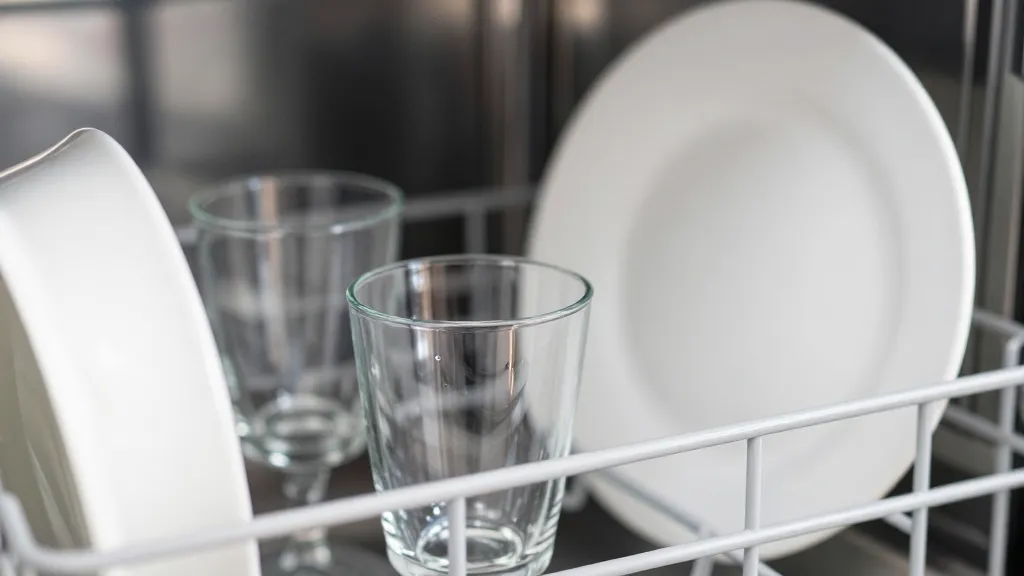
If your dishwasher is leaving behind a white film or cloudy residue on your glasses, you're not alone. This frustrating issue can make dishes look unclean even after a full cycle. The main keyword for this article is 'How to Fix Dishwasher Leaving White Film or Cloudy Glasses,' and it's a common problem that many homeowners face. Understanding the cause of this residue is the first step toward finding a solution. This article will guide you through practical steps to address and prevent this issue, helping you restore your dishwasher's performance without needing professional help.
Understanding Why Your Dishwasher Leaves White Film or Cloudy Glasses
White film or cloudy residue on dishes and glasses after a dishwasher cycle is a common issue that can be frustrating for homeowners. Understanding the root causes of this problem is essential for finding an effective solution. Two primary factors often contribute to this issue: hard water and improper use of rinse aid. Both play a significant role in the formation of residue, and addressing them can help restore the clarity and cleanliness of your dishes.

The Role of Hard Water in Residue Buildup
Hard water contains high levels of minerals like calcium and magnesium, which can leave behind a white film or cloudy residue on dishes and glasses. When water evaporates during the drying cycle, these minerals are left behind, forming a visible buildup. This is especially noticeable on glassware, where the residue can appear as a thin, hazy layer. If your area has hard water, it’s likely contributing to the problem, even if other factors are also at play.
How Rinse Aid Affects Drying and Residue
Rinse aid is designed to reduce the surface tension of water, allowing it to sheet off dishes more efficiently and preventing residue buildup. If your dishwasher has low or incorrect rinse aid levels, it can lead to poor drying performance and increased residue. Over time, this can result in a white film or cloudy appearance on glasses and plates. It’s important to ensure that your dishwasher has the correct amount of rinse aid, as this is a simple yet effective way to improve drying results and reduce residue.
How to Adjust Rinse Aid Levels in Your Dishwasher
Adjusting the rinse aid levels in your dishwasher is a crucial step in preventing white film or cloudy glasses. Proper rinse aid ensures that dishes dry cleanly without leaving behind residue. Following the correct procedure can help you maintain optimal dishwasher performance and avoid unnecessary cleaning efforts.
- Check the rinse aid compartment to ensure it’s filled properly.
- Use the correct type of rinse aid recommended by the manufacturer.
- Avoid overfilling, as this can lead to excess residue.
- Test the rinse aid by running a cycle and inspecting the dishes after.
Locating and Filling the Rinse Aid Compartment
Locating and filling the rinse aid compartment is a simple process that can significantly improve dish drying. Most dishwashers have a dedicated compartment near the detergent rack, usually marked with a symbol or labeled 'Rinse Aid.' If your dishwasher does not have a built-in compartment, you may need to use a rinse aid dispenser or add it manually to the wash cycle. Ensure the compartment is filled to the recommended level, typically between one-quarter and three-quarters full, to allow for proper distribution without overflow.
Choosing the Right Rinse Aid for Your Dishwasher
Choosing the right rinse aid is essential for effective dish drying and residue prevention. Always use a rinse aid specifically designed for your dishwasher model, as some products may contain ingredients that damage internal components. Check the manufacturer's guidelines for recommendations, and consider eco-friendly or low-sodium options if you're concerned about environmental impact. Using the wrong type of rinse aid can lead to excessive film or even clog the dishwasher's spray arms and filters.
How to Remove Hard Water Stains and Residue From Glasses
Removing hard water stains and residue from glasses requires a combination of the right cleaning agents and techniques. Hard water deposits can be stubborn, but with the right approach, you can restore clarity to your glasses without damaging them.
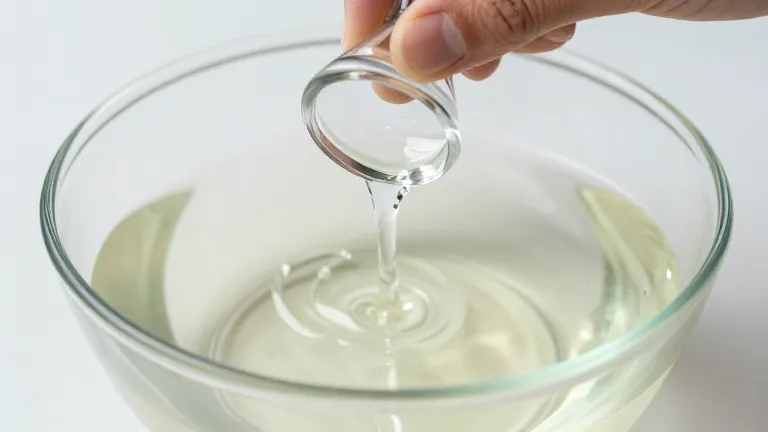
- Mix equal parts white vinegar and water in a bowl or spray bottle.
- Apply the solution to the stained glasses and let it sit for 10 to 15 minutes.
- Scrub the glasses with a soft sponge or brush to loosen the residue.
- Rinse the glasses thoroughly under running water to remove all traces of the solution.
- Dry the glasses with a clean, lint-free cloth to prevent re-staining.
Using Vinegar to Remove Hard Water Stains
White vinegar is an effective natural cleaner that helps dissolve hard water deposits. By mixing vinegar with water, you create a solution that can break down mineral buildup on glass surfaces. Letting the solution sit for a few minutes allows it to work on the stains, making them easier to remove with a gentle scrub.
Cleaning Glasses for Best Results
After scrubbing, it's important to rinse the glasses thoroughly to ensure no residue remains. Any leftover cleaning solution can cause new stains or cloudiness. Drying with a clean cloth helps prevent water spots and ensures the glasses remain clear. If stains persist, you may need to repeat the process or try a different cleaning method.
How to Prevent Future White Film or Cloudy Glasses
Preventing white film and cloudy glasses in your dishwasher requires consistent maintenance and proactive measures. By addressing the root causes of residue buildup and ensuring your dishwasher operates efficiently, you can significantly reduce the chances of recurring issues.
- Install a water softener or use a filter to reduce mineral buildup.
- Regularly clean the dishwasher’s filter and spray arms.
- Ensure the dishwasher is fully loaded to prevent dishware from sitting in water.
- Check for leaks or water supply issues that may affect the wash cycle.
Preventing Hard Water Stains Through Water Treatment
Installing a water softener or using a filter can effectively reduce the mineral content in your water, which is a primary cause of white film and cloudy glasses. These systems work by removing calcium and magnesium ions, which are responsible for hard water stains. If a full water softener is not feasible, a simple filter can also help by trapping minerals before they enter the dishwasher.
Maintaining Your Dishwasher for Long-Term Performance
Regular maintenance of your dishwasher’s internal components is crucial for preventing residue buildup. The filter and spray arms are key areas that should be inspected and cleaned periodically. A clogged filter can reduce water flow, leading to improper rinsing and residue accumulation. Similarly, dirty spray arms can fail to distribute water evenly, leaving dishes inadequately cleaned. Keeping these parts clean ensures optimal performance and minimizes the risk of cloudy glasses.
When to Seek Professional Help for Persistent Residue Issues
If adjusting rinse aid levels and cleaning your dishwasher don’t resolve the issue, there may be a deeper problem requiring professional attention. Persistent white film or cloudy glasses can indicate underlying issues with your dishwasher’s water supply, drainage, or internal components. Addressing these problems often requires expertise to ensure long-term performance and prevent further damage.
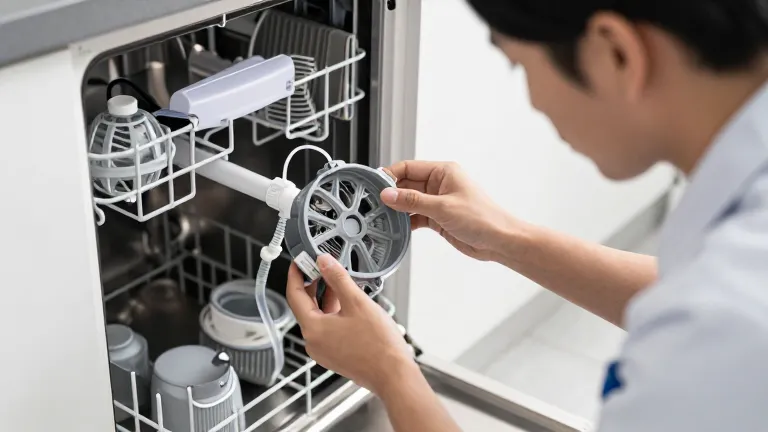
Signs That Your Dishwasher Needs Professional Attention
Signs that your dishwasher needs professional attention include persistent residue despite proper maintenance, unusual noises during operation, or slow draining. These symptoms may indicate blockages, leaks, or worn-out components that are difficult to diagnose without specialized tools. If your dishwasher is more than a few years old, it may also be experiencing age-related wear that affects its efficiency.
When to Replace the Filter or Water Supply Components
Replacing the dishwasher’s filter or water supply components is essential if these parts are old, damaged, or clogged. A faulty filter can cause poor water circulation, leading to residue buildup and cloudy glasses. Similarly, damaged water supply lines or drain pipes can introduce impurities or reduce water pressure, worsening the issue. If you’re unsure about the condition of these parts, a professional can assess and replace them as needed.
Frequently Asked Questions
Why does my dishwasher leave a white film on glasses?
White film on glasses is often caused by hard water minerals like calcium and magnesium. These minerals can leave a residue if not properly rinsed away. Using a quality rinse aid and checking water hardness can help reduce this issue.
Can using too much rinse aid cause cloudy dishes?
Yes, using too much rinse aid can lead to cloudiness on dishes because excess rinse aid may not fully evaporate, leaving behind a residue. It's important to use the correct amount as specified in your dishwasher's manual.
How often should I clean my dishwasher’s filter?
It's recommended to clean your dishwasher's filter every one to two months. Regular cleaning helps prevent blockages and ensures optimal performance, reducing the risk of residue buildup.
What should I do if my dishwasher still leaves residue after cleaning?
If residue remains after cleaning, consider using a vinegar solution to remove hard water stains. If the issue persists, it may be necessary to consult a professional to check for deeper mechanical or water supply issues.
Final Thoughts
Regular maintenance, such as adjusting rinse aid levels and cleaning the filter, is crucial for preventing residue buildup. Addressing hard water issues through vinegar or water softeners can also help maintain clear dishes.
If problems persist, professional inspection may be required. By following these steps, you can improve the performance of your dishwasher and enjoy spotless, residue-free dishes.