How to Fix Refrigerator Not Cooling Properly While Freezer Works
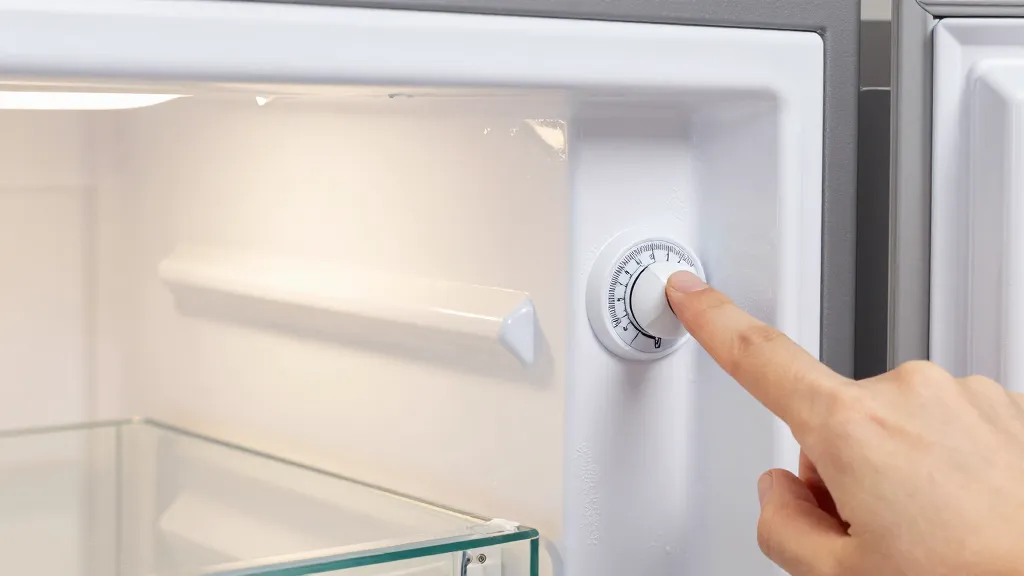
If your refrigerator isn’t cooling properly but the freezer is working, it can be frustrating to figure out what’s wrong. This issue often stems from a few common problems that homeowners can address without professional help. The main keyword, 'How to Fix Refrigerator Not Cooling Properly While Freezer Works,' guides us through practical steps to identify and resolve the issue. By following these steps, you can save time and money while ensuring your fridge functions efficiently. Let’s start by checking the thermostat and temperature settings, which play a crucial role in maintaining the right cooling environment.
Check the Thermostat and Temperature Settings
The thermostat is a critical component in regulating the internal temperature of your refrigerator. If your fridge isn't cooling properly but the freezer is working, the issue may lie with the thermostat. Ensuring the thermostat is set correctly and functioning properly is the first step in diagnosing and resolving the problem.
How to Locate and Adjust the Thermostat
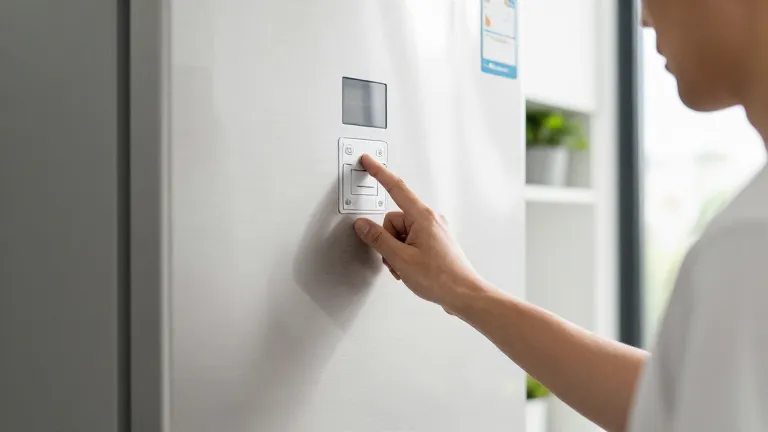
To locate the thermostat, check the interior of the fridge, usually near the top or middle of the door. Some models have a dial, while others use a digital display. Adjust the thermostat to the recommended temperature range of 35°F to 40°F. Avoid setting it too low, as this can cause the fridge to overwork and potentially fail to cool effectively.
Signs of a Faulty Thermostat
A faulty thermostat can lead to inconsistent cooling and increased energy consumption. Signs of a malfunctioning thermostat include the fridge running continuously without cooling, the temperature fluctuating, or the fridge not cooling at all despite the thermostat being set correctly. If the thermostat appears to be stuck or broken, it may need to be replaced. Regularly checking the thermostat ensures your fridge operates efficiently and maintains the correct temperature.
Inspect the Evaporator Fan and Coils
The evaporator fan and coils are crucial components in your refrigerator's cooling system. The evaporator fan circulates cold air throughout the fridge, while the coils absorb heat to maintain the proper temperature. If these components are blocked, damaged, or not functioning correctly, your fridge may struggle to cool, even if the freezer is working fine.
Locating the Evaporator Fan and Coils
Locating the evaporator fan and coils usually requires accessing the freezer compartment. The evaporator fan is typically found behind a panel at the back or bottom of the freezer section. The coils are often positioned near the fan, either on the back wall or inside a compartment. To locate them, you may need to remove the freezer’s interior panel or access panel. Always unplug the fridge before attempting any inspection to avoid electrical hazards.
How to Clean and Maintain Evaporator Coils
To clean and maintain the evaporator coils, start by removing any dust or debris using a soft brush or vacuum. If the coils are covered in frost or ice, use a hairdryer on a low setting to gently melt the buildup. Avoid using sharp objects to scrape the coils, as this can damage them. Regular cleaning helps prevent overheating and ensures efficient cooling. Additionally, check if the evaporator fan is securely attached and functioning. A damaged or loose fan can lead to uneven cooling and higher energy bills.
Examine the Door Seal and Usage Habits
A faulty door seal or improper usage habits can significantly impact the fridge's ability to cool effectively, even if the freezer is working. Ensuring the door seal remains intact and the fridge is used correctly is crucial for maintaining optimal cooling performance.
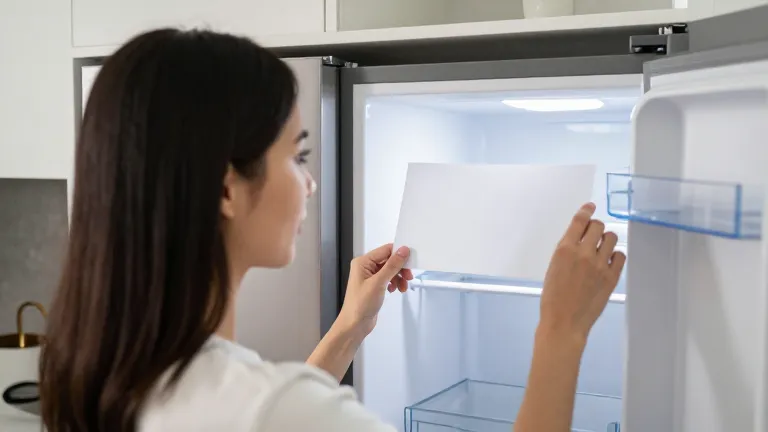
Testing the Door Seal for Damage
A damaged or loose door seal can allow warm air to enter the fridge, making it harder to maintain the correct temperature. To test the seal, close the door on a piece of paper or a dollar bill. If the paper slips out easily, the seal may be damaged or misaligned. Additionally, inspect the seal for cracks, warping, or dirt buildup, which can compromise its effectiveness. If the seal is damaged, it should be replaced to prevent temperature fluctuations and energy waste.
How to Prevent Overloading the Fridge
Overloading the fridge can block airflow and cause uneven cooling, which may lead to parts of the fridge not cooling properly. Leave enough space between items to allow cold air to circulate freely. Avoid placing hot or warm food directly into the fridge, as this can raise the internal temperature. Ensure the fridge door closes fully and is not left ajar, as this can allow warm air to enter and disrupt the cooling process. Regularly check the door alignment and adjust if needed to maintain a proper seal.
Verify the Cooling System and Condenser Coils
The cooling system in your refrigerator is essential for maintaining proper temperatures. A key component of this system is the condenser coils, which release heat from the fridge to the surrounding environment. If these coils become dirty or blocked, the fridge may struggle to cool effectively, even if the freezer is working. Regular maintenance of the condenser coils and ensuring adequate airflow around the appliance can prevent overheating and improve cooling efficiency.
Locating and Cleaning Condenser Coils
Condenser coils are typically located at the back or bottom of the refrigerator, depending on the model. To access them, you may need to remove a panel or lift the front section of the fridge. Use a soft brush or vacuum to gently clean the coils, removing dust and debris that can impede heat dissipation. Avoid using water or harsh chemicals, as these can damage the coils or leave residue that attracts more dirt over time.
How to Check for Airflow Restrictions
Proper airflow around the refrigerator is crucial for its cooling performance. Ensure there is at least a few inches of space between the fridge and the wall or other objects to allow air to circulate freely. Overcrowding or placing the fridge in a confined space can cause the condenser to overheat, leading to inefficient cooling. Additionally, check for any signs of leaks or unusual noises, which may indicate a more serious issue with the cooling system that requires professional attention.
Consider Professional Help and Preventative Maintenance
If your refrigerator continues to fail in cooling despite completing the previous troubleshooting steps, it may indicate a more complex issue that requires professional intervention. A qualified technician can diagnose and repair problems such as refrigerant leaks, compressor failures, or electrical malfunctions that are beyond the scope of DIY solutions.
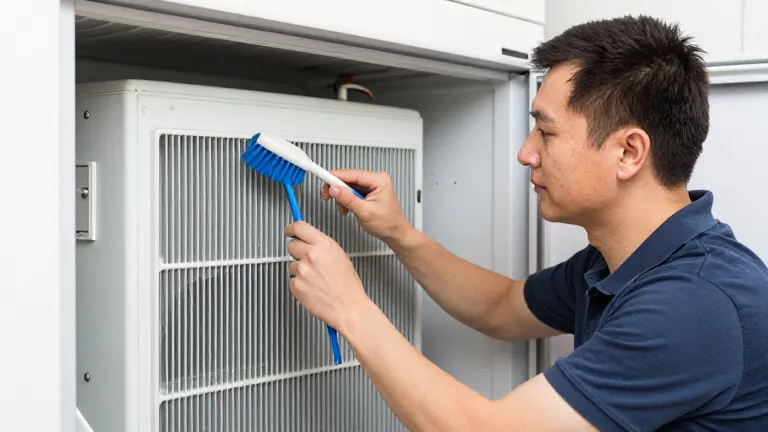
When to Call a Professional Technician
Consider scheduling a service call if your refrigerator is more than five years old or exhibits signs of major mechanical failure, such as unusual noises, excessive heat from the condenser coils, or a complete lack of cooling. These symptoms often point to internal component damage that cannot be resolved without specialized tools and expertise.
Best Practices for Fridge Maintenance
Regular maintenance is essential to keep your refrigerator running efficiently and to prevent future cooling issues. Tasks such as cleaning the condenser coils, inspecting the door seal, and avoiding overloading the fridge can significantly extend its lifespan. Additionally, it is important to avoid using chemical cleaners on internal components, as they can damage sensitive parts of the cooling system and compromise its performance.
Frequently Asked Questions
Why is my fridge not cooling but the freezer is working?
If your fridge isn't cooling but the freezer is working, the issue might be with the evaporator fan, coils, or temperature settings. Check for blockages, faulty components, or incorrect thermostat settings to identify the cause.
How do I know if the evaporator fan is broken?
A broken evaporator fan may result in warm air in the fridge and cold air in the freezer. Listen for unusual noises or check if the fan is spinning when the fridge is running.
What should I do if the fridge door seal is damaged?
A damaged door seal can cause the fridge to work harder and not cool properly. Replace the seal if it's cracked or warped to maintain efficient cooling.
Can dirty condenser coils cause the fridge to stop cooling?
Dirty condenser coils can reduce efficiency and lead to overheating, which may cause the fridge to stop cooling. Regular cleaning of the coils can help prevent this issue.
Final Thoughts
Regular maintenance and awareness of common issues can help prevent fridge cooling problems. Keep an eye on the thermostat, door seal, and coils for optimal performance.
If the problem persists after basic checks, it's best to call a professional technician for further diagnosis and repair.