How to Fix Oven Not Heating to the Right Temperature
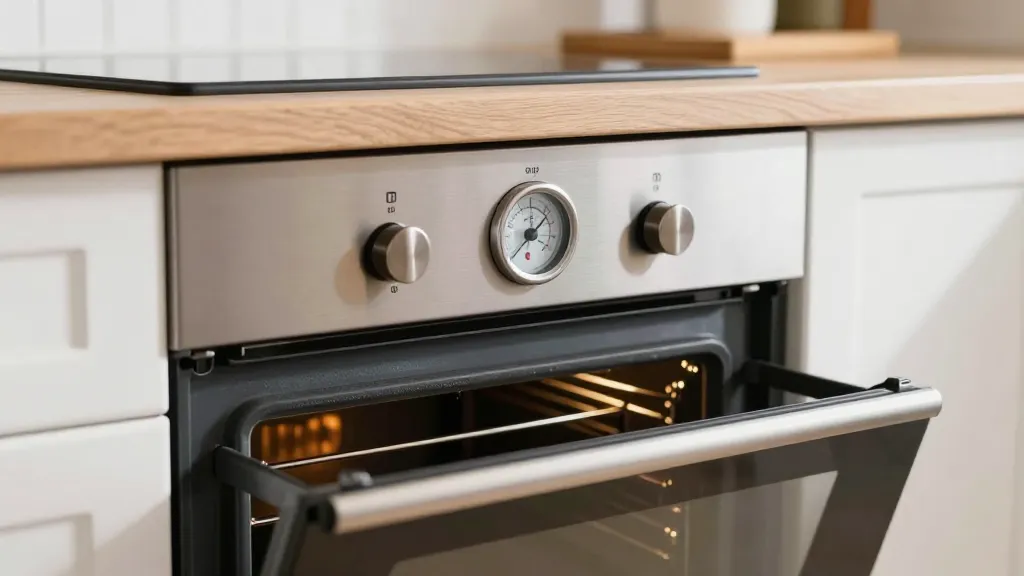
If your oven isn't heating to the right temperature, it can throw off your meals and make cooking frustrating. Whether you're baking a cake or roasting vegetables, accuracy matters. The main keyword, 'How to Fix Oven Not Heating to the Right Temperature,' is the focus of this guide, which will walk you through practical solutions to address this common issue. Understanding the root cause of oven temperature problems is the first step toward fixing them. From calibration to testing key components like the bake element and thermostat, this article covers everything you need to know to troubleshoot without calling a professional. With clear steps and helpful tips, you'll be equipped to resolve oven temperature issues confidently at home.
Understanding Why Your Oven Is Not Heating Correctly
Ovens can fail to heat properly due to a variety of common issues, often stemming from internal components or calibration errors. Understanding the underlying causes helps narrow down the solution and ensures effective troubleshooting without unnecessary costs. Whether it's a faulty thermostat, broken heating element, or incorrect calibration, identifying the root cause is key to resolving the problem.
Common Causes of Oven Temperature Issues
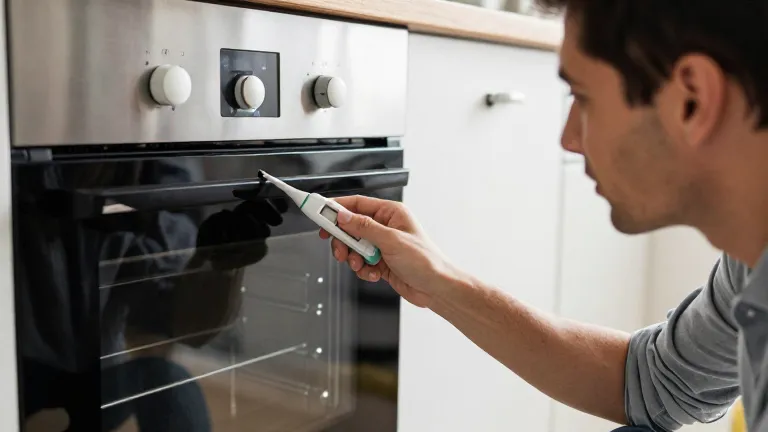
Common causes of oven temperature issues include faulty thermostats, broken heating elements, and calibration problems. A malfunctioning thermostat may fail to regulate the oven's temperature accurately, leading to underheating or inconsistent heat distribution. Similarly, a damaged or burnt-out heating element can prevent the oven from reaching the desired temperature. Calibration errors can also occur if the oven's internal settings have shifted over time, resulting in inaccurate temperature readings. These issues often manifest as uneven cooking, longer cooking times, or the oven not reaching the set temperature at all.
How the Oven Temperature Control System Works
The oven temperature control system works by using a thermostat and temperature sensor to monitor and adjust the heat output. The thermostat receives input from the sensor, which measures the oven's internal temperature, and activates the heating element when the temperature falls below the set point. This system ensures that the oven maintains a consistent temperature throughout the cooking process. However, if the thermostat or sensor is faulty, the system may not function correctly, leading to temperature fluctuations or failure to heat at all. Regular maintenance and calibration can help ensure the system operates efficiently and reliably.
How to Calibrate Your Oven for Accurate Temperature
Calibrating your oven ensures it reaches the correct temperature, which is essential for consistent cooking results. Most ovens require periodic calibration to maintain accuracy over time, as temperature deviations can occur due to wear or environmental factors. This process is straightforward and can be completed using a thermometer and simple steps.
- Preheat the oven to 350°F (175°C) and insert a reliable oven thermometer in the center of the oven rack.
- Wait 20 minutes for the oven to reach the target temperature, then check the thermometer reading.
- If the oven is off by more than 25°F (14°C), adjust the calibration dial or settings according to the oven's manual.
- Repeat the calibration process after a few cooking sessions to ensure continued accuracy.
Step-by-Step Oven Calibration Process
The step-by-step oven calibration process involves preheating the oven and using a thermometer to check the actual temperature. Once the oven has reached the target temperature, the thermometer provides an accurate reading that can be compared to the displayed temperature. If there is a discrepancy, the oven's calibration settings can be adjusted to correct the issue. This process ensures that your oven maintains consistent heat, which is crucial for proper cooking.
Tools Needed for Calibration
Calibrating an oven requires a few basic tools, primarily a reliable oven thermometer. This device is essential for measuring the actual temperature inside the oven and comparing it to the displayed temperature. Some ovens have a built-in calibration dial or setting that can be adjusted based on the thermometer reading. If your oven lacks this feature, you may need to consult the manufacturer's guidelines for alternative calibration methods. Having the right tools simplifies the calibration process and ensures accurate results.
Testing the Bake Element to Confirm It's Working
The bake element is a critical component of your oven responsible for generating the heat needed to cook food. If it's not functioning properly, your oven may struggle to reach the desired temperature. Testing the bake element can help identify whether it's the source of the issue.
- Ensure the oven is unplugged or the circuit breaker is turned off to avoid electric shock.
- Locate the bake element, typically found at the bottom of the oven chamber.
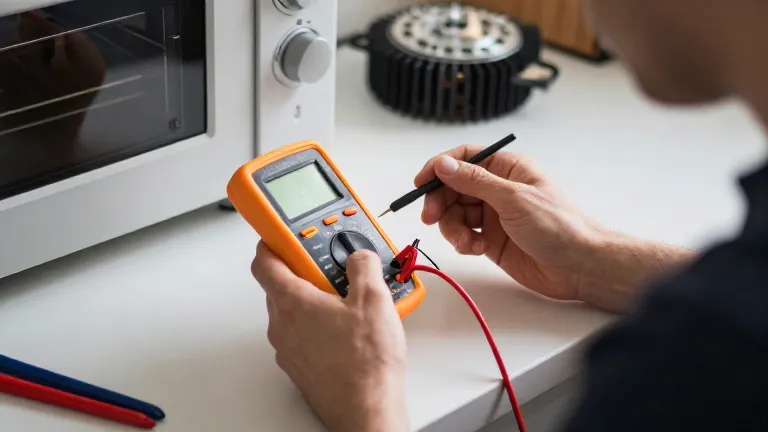
- Use a multimeter to test for continuity by setting it to the resistance mode and touching the probes to the element's terminals.
- If the multimeter shows no continuity or a reading above 10 ohms, the element is faulty and needs replacement.
How to Test Your Bake Element
To test your bake element, start by unplugging the oven or turning off the circuit breaker. This ensures your safety while working. Once the oven is powered down, locate the bake element, which is usually positioned near the bottom of the oven cavity. The element may be covered by a metal plate or insulation, so you may need to remove a panel to access it.
Replacing a Faulty Bake Element
Replacing a faulty bake element requires basic tools and careful handling. If the element is damaged or shows no continuity, it should be replaced with a compatible model. Ensure the new element matches the voltage and wattage specifications of the original. After installing the new element, reassemble the oven and test it to confirm the issue is resolved.
Troubleshooting the Thermostat and Temperature Sensor
The oven thermostat and temperature sensor are crucial components in maintaining accurate cooking temperatures. A faulty thermostat can lead to inconsistent heating, while a malfunctioning sensor may provide incorrect readings, causing the oven to underheat or overheat. Understanding how to test and replace these parts can help restore your oven's performance without professional assistance.
- Use an oven thermometer to check if the oven reaches the desired temperature. If it fails to heat properly, the thermostat may be the issue.
- Unplug the oven and locate the thermostat, usually near the oven cavity or on the control board. Use a multimeter to test for continuity.
- If the thermostat shows no continuity or inconsistent readings, it needs replacement. Ensure the new thermostat matches the model specifications.
- After replacing the thermostat, recalibrate the oven to ensure the temperature control system is functioning correctly.
How to Test the Oven Thermostat
To test the oven thermostat, first unplug the appliance for safety. Locate the thermostat, which is often found near the oven cavity or on the control board. Use a multimeter to check for continuity by setting it to the resistance mode and touching the thermostat terminals. A healthy thermostat should show a reading between 0 and 10 ohms. If there is no reading or it fluctuates, the thermostat is likely faulty and requires replacement.
Replacing an Oven Thermostat
Replacing the oven thermostat involves disconnecting the power and removing the access panel to reach the component. Carefully disconnect the wiring from the old thermostat and attach it to the new one, ensuring the connections are secure. Once installed, plug the oven back in and test the temperature using an oven thermometer. If the oven now heats accurately, the thermostat has been successfully replaced. If issues persist, further inspection or professional help may be necessary.
When to Call a Professional for Oven Repairs
Some oven issues require professional expertise to diagnose and repair, especially when the problem involves complex internal components or electrical systems. Recognizing when to seek professional help ensures your safety and prevents further damage to your appliance.
Signs You Need Professional Help
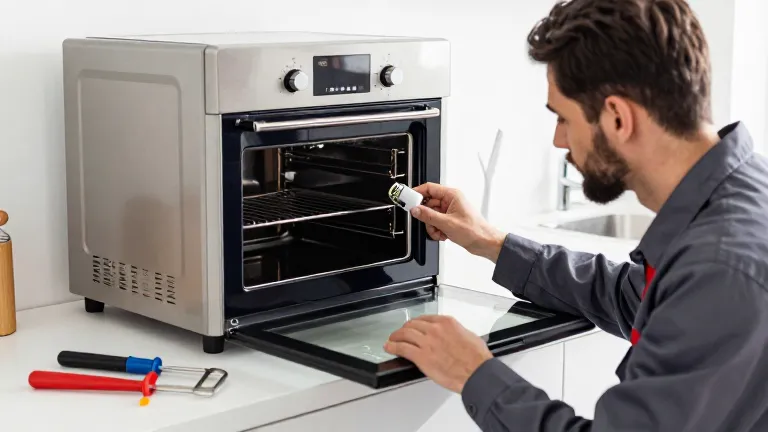
Signs that professional help is needed include electrical faults, gas leaks, or complex internal damage. If your oven fails to heat at all, emits unusual smells, or shows error codes, these are indicators that the issue may be beyond basic troubleshooting. Additionally, if you notice sparking, burning smells, or visible damage to wiring, it's crucial to stop using the oven immediately and contact a qualified technician.
Safety Considerations When Repairing an Oven
Always prioritize safety when dealing with gas or electrical components. Gas leaks can be extremely dangerous, posing risks of fire or carbon monoxide poisoning. If you suspect a gas leak, turn off the gas supply, ventilate the area, and avoid using any electrical devices until a professional is called. For electrical issues, ensure the oven is unplugged before attempting any repairs. If you're unsure about the cause or how to proceed, it's best to consult a professional to avoid potential hazards.
Frequently Asked Questions
What should I do if my oven isn't heating up at all?
First, check that the oven is properly plugged in and the circuit breaker hasn't tripped. If the oven is powered but still not heating, the bake element may be faulty or the thermostat could be broken. Test the bake element or thermostat, or consult a professional if the issue persists.
How often should I calibrate my oven?
Calibrate your oven every 6 to 12 months or whenever you notice temperature inconsistencies. Regular calibration ensures accurate cooking and prevents overcooking or undercooking food.
Can I test the oven thermostat without a multimeter?
Yes, you can test the oven thermostat using a thermometer and a cooking test. Place an oven-safe thermometer in a dish of water and bake it at a known temperature. If the thermometer reads significantly different, the thermostat may need replacement.
Is it safe to replace the bake element myself?
Replacing the bake element is generally safe if you follow safety precautions, such as unplugging the oven and allowing it to cool. However, if you're unsure about electrical work, it's best to seek professional help to avoid injury or damage.
Final Thoughts
Regular maintenance and calibration help ensure your oven operates at the correct temperature. If you're unsure about any repair steps, consult a professional. Knowing how to test and replace key components can save time and money.
Follow the steps outlined to diagnose and fix common oven temperature issues. Always prioritize safety when working with electrical components. If the problem persists, seek expert assistance to prevent further damage.