How to Fix AC Unit Blowing Warm Air Instead of Cold
If your AC unit is blowing warm air instead of cold, it can be frustrating, especially during hot weather. This issue may stem from a simple fix or indicate a more serious problem with your system. Understanding the root cause is the first step in resolving the issue. This article will guide you through identifying and troubleshooting common reasons behind your AC blowing warm air, including dirty filters, frozen coils, and mechanical issues. Whether you're a homeowner or renter, these practical steps can help you address the problem without needing to call a professional. By following the advice below, you can often restore your AC to its optimal cooling performance.
Identify the Root Cause of Warm Air From AC
Before attempting repairs, it's essential to determine the root cause of your AC unit blowing warm air. This involves checking thermostat settings, airflow, and refrigerant levels, as well as observing the unit's behavior and temperature differences between indoor and outdoor units. A systematic approach will help narrow down potential issues and guide you toward an effective solution.
Check the Thermostat Settings
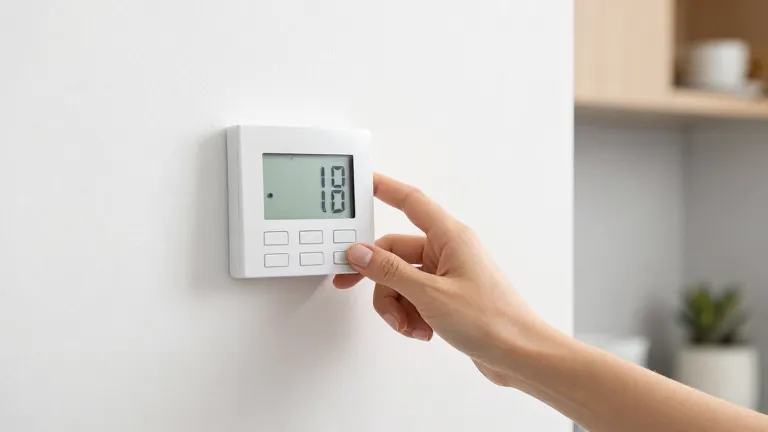
Start by checking the thermostat settings to ensure it's set to 'Cool' and the desired temperature is lower than the current room temperature. If the thermostat is malfunctioning or incorrectly calibrated, the AC may not activate properly or may cycle on and off irregularly. Also, verify that the thermostat is positioned away from direct sunlight or heat sources, as this can affect its accuracy.
Inspect for Obstructions Around the Unit
Inspect the area around the indoor and outdoor units for any obstructions that could restrict airflow or hinder the unit's operation. Leaves, debris, or overgrown vegetation can block the unit's vents or coils, leading to reduced cooling efficiency. Additionally, ensure that the unit has adequate clearance for airflow, as restricted airflow can cause the system to work harder and produce warm air. Regular maintenance of the surrounding area can prevent many common AC issues.
Fix a Dirty Air Filter Causing Warm Air
A clogged air filter is one of the most common reasons your AC unit blows warm air. When the filter becomes dirty, it restricts airflow, which reduces the system's ability to cool your home effectively. Regular maintenance of the air filter can significantly improve your AC's performance and prevent unnecessary strain on the system.
- Locate the air filter, typically found in the return air duct or inside the AC unit's indoor housing.
- Remove the filter carefully to avoid damaging it or causing debris to spread.
- Inspect the filter for dirt, dust, or debris. If it's heavily clogged, replace it with a new one.
- If the filter is reusable, clean it using a vacuum or mild soap and water, then allow it to dry completely before reinstalling.
Locate and Remove the Air Filter
Locating the air filter is the first step in addressing airflow issues. Most filters are housed in the return air duct or inside the indoor unit of your AC system. Check the owner's manual or look for a panel or cover that indicates the filter's location. Some units have a filter slot accessible from the front, while others require removing a panel from the ceiling or wall.
Clean or Replace the Filter Properly
Cleaning or replacing the filter properly ensures optimal airflow and cooling performance. If the filter is reusable, use a vacuum to remove loose dirt, then wash it with water and let it dry completely before reinstalling. A wet filter can lead to mold growth and further reduce efficiency. If the filter is damaged or excessively dirty, replace it with a new one that matches the size and type specified in your AC's manual. Using the wrong filter can compromise airflow and damage the system.
Address Frozen AC Coils for Warm Air Output
Frozen AC coils are a common issue that can cause your unit to blow warm air instead of cold. This typically happens when the system is overworking due to restricted airflow or low refrigerant levels. When coils freeze, the AC can't circulate cool air effectively, leading to inefficient cooling and potential damage to the system.
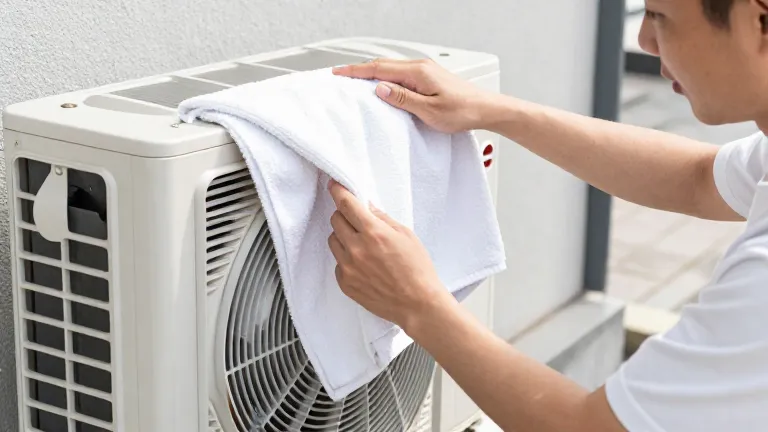
Turn Off the Unit to Thaw Frozen Coils
If your AC is blowing warm air, the first step is to turn off the unit to allow the frozen coils to thaw naturally. This prevents further damage and allows you to inspect the coils for ice buildup. Wait at least 24 hours for the ice to melt completely, then check the coils for any signs of damage or blockage. If the coils are frozen, it’s a sign that airflow is restricted or refrigerant levels are low.
Check for Clogged Drain Lines
A clogged condensate drain line can also cause coils to freeze, as water from the evaporator coil can't drain properly. Inspect the drain line for blockages, such as mold, algae, or debris, and clear it using a wet/dry vacuum or a mixture of water and bleach. If the drain line is severely clogged, it may require professional cleaning or replacement. Ensure the drain line is properly sloped to allow water to flow away from the unit.
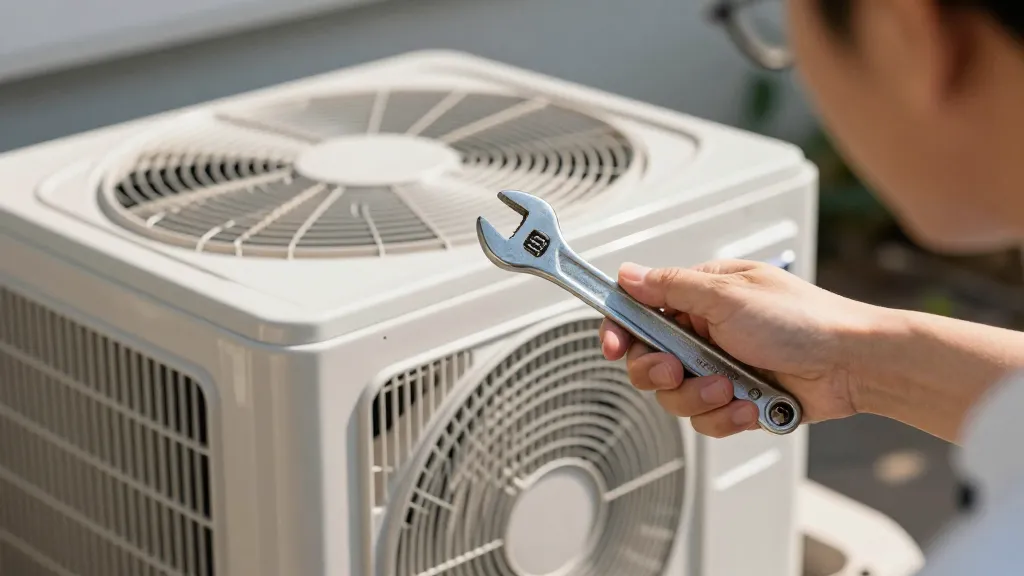
Check the Outdoor Unit for Mechanical Issues
The outdoor unit of your AC system plays a critical role in cooling your home. If it’s not functioning properly, it can lead to warm air being blown inside. Regular inspection and maintenance of the outdoor unit can help identify and resolve mechanical issues before they escalate.
Inspect the Outdoor Unit for Obstructions
Start by inspecting the outdoor unit for any physical obstructions that may be hindering its operation. Leaves, grass, or debris can block airflow and reduce efficiency. Ensure the unit is placed on a level surface to prevent vibration or misalignment, which can cause mechanical stress over time. If the unit is leaning or unstable, adjust it or clear the surrounding area to provide adequate space for proper ventilation and operation.
Check Power and Electrical Connections
Next, verify that the outdoor unit is receiving power and that the circuit breaker has not tripped. Check the electrical connections at the unit’s main panel and ensure all wiring is secure and undamaged. If the unit is not powering on, the issue may be with the electrical supply or a tripped breaker. Additionally, listen for any unusual noises such as grinding, knocking, or screeching, which could indicate a failing motor or compressor. These sounds often signal internal mechanical problems that require professional attention.
When to Call a Professional HVAC Technician
If basic troubleshooting steps fail to restore your AC unit to blowing cold air, it's time to call a professional HVAC technician. Persistent warm air, unusual noises, or visible refrigerant leaks are clear signs that the issue may be more complex than a simple filter change or coil thaw. These symptoms often point to deeper problems such as refrigerant leaks, electrical malfunctions, or damaged internal components that require specialized tools and expertise to diagnose and repair.
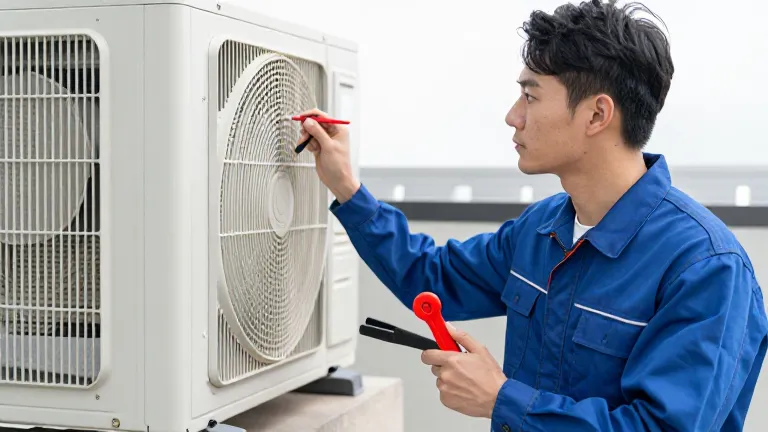
HVAC technicians are trained to identify and resolve issues that go beyond the scope of DIY fixes. They can conduct thorough inspections to check for refrigerant leaks, which can significantly impact cooling efficiency and potentially damage the system. Electrical issues, such as faulty wiring or broken circuit boards, can also cause the unit to malfunction and should be addressed by a professional to avoid further complications.
Regular maintenance is a key factor in preventing many common AC problems. A professional HVAC technician can perform routine checks and cleanings, ensuring that all components are functioning optimally. This includes inspecting the coils, checking refrigerant levels, and ensuring proper airflow. Preventative maintenance not only extends the lifespan of your AC unit but also improves energy efficiency and reduces the likelihood of unexpected breakdowns.
Frequently Asked Questions
What should I do if my AC is blowing warm air but the fan is working?
If your AC fan is running but the air is warm, the issue may be with the cooling system. Check for a dirty air filter, frozen coils, or refrigerant leaks. If these don’t resolve the problem, consider calling a professional for further inspection.
Can a dirty air filter cause the AC to blow warm air?
Yes, a dirty air filter restricts airflow and can cause the AC to overheat, leading to warm air output. Regularly replacing or cleaning the air filter can help maintain proper cooling and system efficiency.
How long does it take for AC coils to thaw after turning off the unit?
Thawing time for AC coils varies depending on the severity of the freeze, but it typically takes 30 minutes to a few hours. Ensure the unit is off and the area is dry before turning it back on.
When should I call a professional for my AC issues?
Call a professional if you’re unable to identify or fix the issue yourself, or if the problem persists after basic troubleshooting. Complex issues like refrigerant leaks, electrical faults, or severe coil damage require expert attention.
Next Steps for a Cool Home
Regular maintenance and timely troubleshooting can help resolve many issues with your AC unit. If basic fixes don’t work, a professional HVAC technician can diagnose and repair underlying problems.
Take action by checking your thermostat, filters, and coils. If the problem continues, don’t hesitate to contact a professional to ensure your AC runs efficiently and effectively.