How to Fix Dehumidifier Not Collecting Water in Bucket
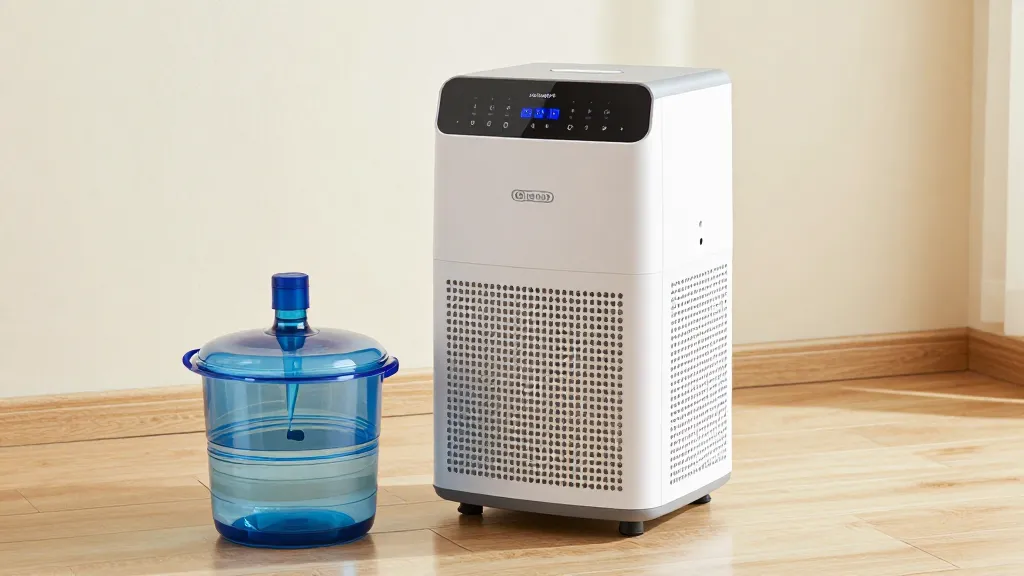
If your dehumidifier isn't collecting water in the bucket, it can leave humidity problems unresolved and lead to discomfort or damage in your home. This issue may seem minor, but it can significantly impact the effectiveness of your dehumidifier. The main keyword, 'How to Fix Dehumidifier Not Collecting Water in Bucket,' is central to understanding and resolving this common problem. This article provides practical solutions to help homeowners and apartment dwellers troubleshoot their dehumidifier without needing professional help. Whether your unit is failing to collect water due to technical issues or environmental factors, we'll guide you through the necessary steps to restore its functionality. By following these troubleshooting techniques, you can address the problem at home and ensure a more comfortable living environment.
Understanding Why Your Dehumidifier Isn't Collecting Water
If your dehumidifier isn't collecting water in the bucket, the issue could stem from several internal or external factors. Understanding the root cause is essential to resolve the problem effectively. Common issues like iced coils, faulty humidity sensors, or clogged drainage systems can all prevent the unit from functioning as intended. Additionally, environmental conditions such as temperature and humidity levels play a significant role in the dehumidifier’s ability to collect water.
Common Reasons for Water Not Collecting
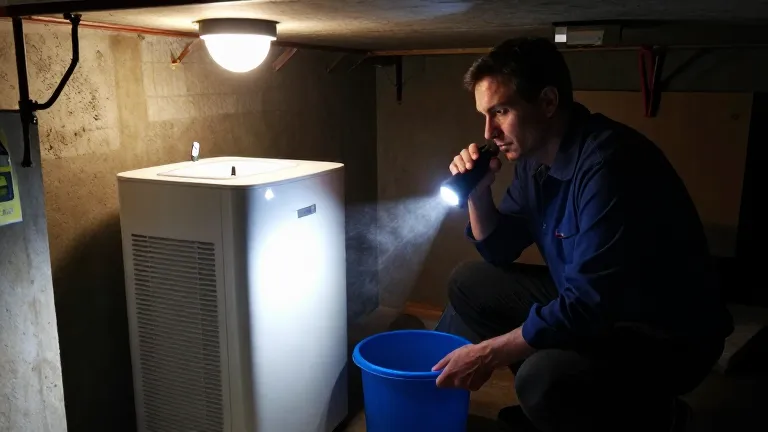
The most frequent reasons your dehumidifier isn’t collecting water include iced coils, humidity sensor malfunctions, and clogged drainage. Iced coils occur when the unit operates in temperatures below 60°F (15°C), causing condensation to freeze rather than collect. A faulty humidity sensor can misread the room’s moisture levels, making the dehumidifier think the air is already dry. Clogged drainage, often due to mineral buildup or debris, can block the water from flowing into the bucket, resulting in reduced or no water collection.
Environmental Factors That Affect Performance
Environmental factors such as temperature and humidity levels directly affect your dehumidifier’s performance. If the room temperature is too low, the coils may freeze, preventing water from being collected. High humidity levels may cause the unit to run continuously without effectively removing moisture, especially if the air is already saturated. Conversely, if the humidity is too low, the dehumidifier may not collect any water because there’s insufficient moisture to extract. It’s also important to consider the size of the space; a small unit in a large room may struggle to collect water efficiently.
Step-by-Step Troubleshooting for Dehumidifier Water Collection Issues
Before diving into complex solutions, start with simple checks that can resolve most issues with your dehumidifier not collecting water. These steps focus on the most common causes and provide a clear path to identifying and fixing the problem.
- Check the Bucket and Air Filter
- Inspect the Humidity Sensor
- Address Ice Buildup on Coils
- Verify Placement and Environmental Conditions
Basic Checks and Maintenance
Begin by ensuring the water bucket is not full or clogged. A full bucket can prevent the dehumidifier from collecting additional water. Also, check for any blockages or debris in the air filter, which can restrict airflow and reduce efficiency. Cleaning or replacing the filter can significantly improve performance.
Humidity Sensor and Environmental Adjustments
The humidity sensor plays a crucial role in regulating the dehumidifier's operation. If it's dirty or damaged, it may not accurately detect moisture levels, leading to improper performance. Clean the sensor gently with a dry cloth or soft brush, and recalibrate it according to the manufacturer's instructions. If the sensor is faulty, it may need replacement.
How to Fix Iced Coils on Your Dehumidifier
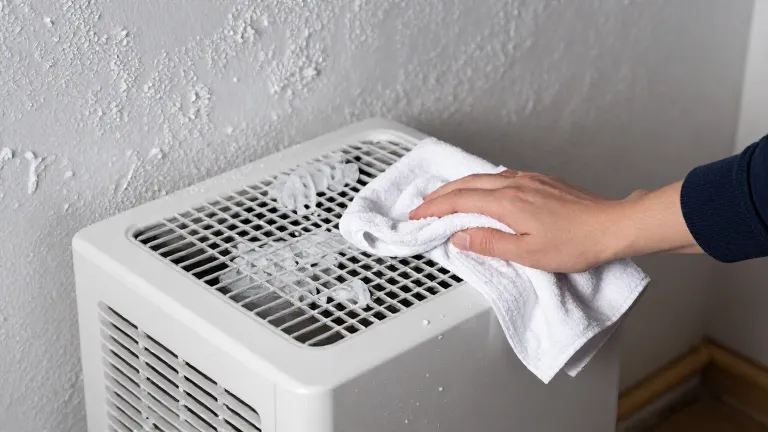
Iced coils on a dehumidifier are a clear indicator that the unit is operating in cold ambient conditions or facing excessive humidity levels. When moisture condenses on the coils and freezes, it can significantly reduce the dehumidifier's ability to collect water. Addressing this issue promptly is essential to restore the unit's functionality and prevent further damage.
Recognizing and Responding to Iced Coils
If you notice ice forming on the coils of your dehumidifier, the first step is to turn off the unit to prevent further freezing. Allow the coils to thaw naturally by placing the dehumidifier in a warmer location or using a space heater set to a low temperature. Avoid using direct heat sources like hairdryers, as this can damage the unit. Once the ice has melted, check the ambient temperature and humidity levels to determine the underlying cause.
Preventing Future Iced Coils
To prevent future ice buildup, ensure your dehumidifier is placed in an area with a consistent temperature above 60°F (15°C). Avoid locations near windows, doors, or air vents where cold air may enter. Additionally, adjust the humidity settings to a level that the unit can effectively manage without overworking. If the environment remains too cold or humid, consider using a humidifier or adjusting the room's heating system to maintain a balanced climate.
Checking and Calibrating the Humidity Sensor
The humidity sensor on your dehumidifier plays a crucial role in determining when to collect water. If the sensor is dirty or damaged, it may not provide accurate readings, leading to inefficient operation. Regular cleaning and calibration can ensure the sensor functions correctly and helps maintain optimal humidity levels in your space.
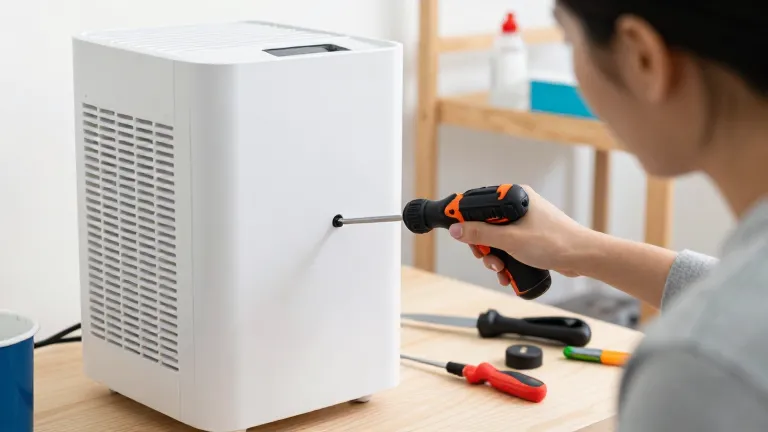
- Locate the humidity sensor on the unit and inspect for dirt or damage.
- Clean the sensor with a soft cloth and ensure it is not covered by dust or debris.
- Calibrate the sensor if necessary by following the manufacturer’s instructions or resetting the unit.
Cleaning and Inspecting the Sensor
To begin, locate the humidity sensor on your dehumidifier. It is typically found near the air intake or inside the unit, depending on the model. Inspect the sensor for any signs of dirt, mold, or physical damage. A dirty or damaged sensor can lead to inaccurate humidity readings, which may prevent the dehumidifier from collecting water properly.
Calibrating the Humidity Sensor
If the sensor is dirty, gently clean it with a soft, dry cloth. Avoid using any harsh chemicals or water, as this could damage the sensor. Ensure the sensor is fully dry before reattaching it to the unit. If the sensor is damaged or not functioning correctly, it may need to be replaced. Always refer to the manufacturer’s manual for specific instructions on sensor maintenance and replacement.
When to Call a Professional for Dehumidifier Issues
Even after thorough DIY troubleshooting, some dehumidifier issues may persist, indicating the need for professional intervention. Recognizing when to seek expert help ensures your dehumidifier operates efficiently and safely, avoiding further damage or safety risks.
When DIY Fixes Fail
If basic troubleshooting steps—such as cleaning the bucket, checking the humidity sensor, and addressing iced coils—fail to resolve the issue, it may signal a deeper problem with internal components like the pump, motor, or wiring. Persistent water collection problems, unusual noises, or complete failure to operate are red flags that require professional attention. These issues often involve complex diagnostics and repairs that are best left to trained technicians.
Professional Repair Vs. DIY Solutions
Professional repair is especially recommended if the dehumidifier is several years old or if the warranty has expired. Older units may have worn-out parts that are difficult to replace without specialized tools or knowledge. Attempting complex repairs without experience can void warranties or cause additional damage, leading to higher repair costs in the long run. A professional can accurately diagnose and resolve issues that go beyond simple maintenance, ensuring your dehumidifier functions optimally.
Frequently Asked Questions
Why is my dehumidifier not collecting water even though the air feels humid?
Your dehumidifier may not be collecting water due to issues like a clogged filter, iced coils, or a faulty humidity sensor. Check the air intake and ensure the unit is operating in the correct environment. If the problem persists, consider professional inspection.
How often should I clean the humidity sensor on my dehumidifier?
Clean the humidity sensor every 1-3 months, depending on usage and environmental conditions. Regular cleaning ensures accurate readings and prevents buildup that can affect performance.
Can a dehumidifier work in a cold room with no issues?
Dehumidifiers may struggle in cold rooms due to iced coils and reduced efficiency. Ensure the room temperature is above 60°F (15°C) for optimal performance. If operating in colder conditions, use a heated coil or adjust settings accordingly.
What should I do if the dehumidifier keeps freezing up?
If your dehumidifier keeps freezing up, check for iced coils and ensure the room temperature is above 60°F (15°C). Clean the air intake and humidity sensor, and consider using a heated coil. If the issue continues, consult a professional.
Final Thoughts
Regular maintenance and proper setup are crucial for your dehumidifier to collect water effectively. Address common issues like iced coils, sensor calibration, and environmental factors to ensure optimal performance.
If basic troubleshooting doesn't resolve the issue, consider professional assistance. Always keep your dehumidifier in a suitable environment and follow a maintenance schedule to avoid future problems.