How to Fix Refrigerator Leaking Water Inside or on the Floor

If your refrigerator is leaking water inside or on the floor, it can be frustrating and messy. This issue often stems from a simple fix, but identifying the exact cause is key to resolving it effectively. The main keyword of this article is 'How to Fix Refrigerator Leaking Water Inside or on the Floor,' and we’ll guide you through practical steps to diagnose and address the problem. Whether the leak is from the freezer, refrigerator compartment, or floor, understanding the root cause can save you time and effort. By following these troubleshooting methods, you can often resolve the issue without needing professional help. We’ll start by helping you locate the source of the leak and move through step-by-step solutions to ensure your refrigerator operates efficiently. Regular maintenance will also help prevent future leaks, keeping your kitchen clean and your appliance running smoothly.
Identify the Source of the Leak
Identifying the source of a refrigerator leak is the first step in resolving the issue. Begin by determining where the water is coming from—whether it's pooling on the floor, dripping from the front, back, or bottom of the appliance, or accumulating inside the fridge. This initial assessment helps narrow down potential causes, such as a faulty water pan, clogged drain, or malfunctioning components.
Check for Frost or Ice Buildup
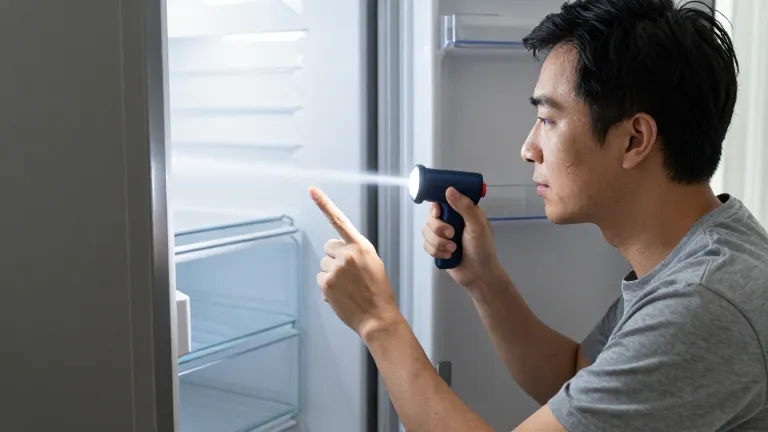
Inspect the interior of the refrigerator for frost or ice buildup, which can indicate a problem with the defrost cycle. Excessive frost or ice, especially in areas not typically exposed to cold air, may suggest that the defrost system is not functioning properly. If the fridge is not defrosting correctly, ice can accumulate and eventually melt, leading to leaks.
Look for Signs of a Clogged Defrost Drain
During the defrost cycle, the refrigerator should automatically melt and drain any accumulated ice. If the leak occurs after or during this cycle, it could be a sign of a clogged defrost drain. Observe whether the water is dripping from the back of the fridge or pooling on the floor, as this often points to a blockage in the drain system. A clogged drain prevents proper drainage, leading to water buildup and eventual leakage.
Check for a Clogged Defrost Drain
A clogged defrost drain is often the root cause of refrigerator leaks, making it a critical area to inspect. This drain allows melted ice to exit the fridge, and when it becomes blocked, water can pool inside or leak onto the floor. Identifying and clearing this blockage is a straightforward fix that can resolve many common refrigeration issues.
- Use a flashlight to locate the defrost drain hole at the bottom of the refrigerator.
- Remove any ice or debris blocking the drain using a wire or small tool.
- Pour warm water into the drain to dissolve any remaining buildup.
- Check for recurring blockages and repeat the process if necessary.
Locate the Defrost Drain
To locate the defrost drain, start by removing the lower front panel of the refrigerator. This panel is typically secured with screws or clips and provides access to the drain hole. Shine a flashlight into the area to identify the small opening where melted ice exits. The drain is usually positioned near the base of the fridge, and it may be covered by a small tray or pan.
Clear Blockages From the Drain
Once the drain hole is located, carefully remove any ice or debris that may be blocking the passage. Use a thin wire, such as a coat hanger, or a small tool like a paperclip to gently clear the obstruction. Be cautious not to damage the drain or surrounding components while doing so. After clearing the blockage, pour warm water into the drain to ensure it flows freely and flush out any remaining residue. This helps prevent future clogs and ensures the drain functions properly.
Inspect the Condenser Coils and Fan
The condenser coils and fan play a critical role in maintaining the refrigerator's cooling efficiency. Over time, dirt and debris can accumulate on the coils, reducing their ability to dissipate heat and potentially leading to overheating. A malfunctioning fan can also disrupt air circulation, causing uneven cooling and frost buildup. Regular inspection and maintenance of these components can prevent leaks and improve overall appliance performance.
Clean the Condenser Coils
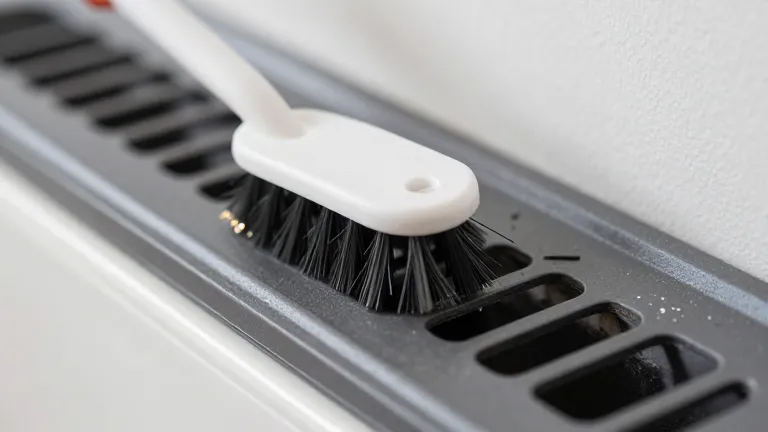
Dirt and debris on the condenser coils can significantly impact the refrigerator’s efficiency. These coils are responsible for releasing heat from the refrigerant, and when they become clogged, the unit has to work harder to maintain the desired temperature. This extra effort can lead to overheating, which may cause the refrigerator to leak water or fail to cool properly. To clean the coils, unplug the refrigerator and locate the coils, which are typically found at the bottom or back of the unit. Use a vacuum with a narrow attachment or a soft brush to gently remove the buildup, taking care not to damage the coils.
Check for Fan Malfunction
A faulty fan can disrupt the airflow inside the refrigerator, leading to improper cooling and potential frost buildup. To check the fan, locate it near the condenser coils and ensure it spins freely. If the fan is stuck, noisy, or not moving at all, it may need to be replaced. A malfunctioning fan can cause the evaporator coil to freeze, leading to ice accumulation and eventual water leakage. If the fan appears damaged or is not functioning correctly, replace it with a compatible model to restore proper airflow and prevent further issues.
Examine the Water Pan and Drain Pan
The water pan and drain pan are essential components of your refrigerator that collect and channel defrost water away from the unit. If these pans are clogged or damaged, water can leak onto the floor, causing damage and creating a mess. Regular inspection and maintenance of these parts can help prevent such issues and ensure your refrigerator operates efficiently.
- Inspect the water pan for any blockages or debris that might be preventing proper drainage.
- Use a small brush or pipe cleaner to gently clear any buildup in the pan.
- Check the drain pan for cracks or breaks that could allow water to escape.
- Replace the water pan if it is damaged or cracked to prevent further leaks.
Check the Water Pan for Blockages
The water pan is designed to collect defrost water from the freezer compartment and direct it to the drain pan. Over time, food particles, ice, or other debris can accumulate in the pan, leading to clogs. A clogged water pan can cause water to overflow and leak onto the floor. To address this, use a small brush or pipe cleaner to carefully remove any buildup. Ensure the pan is completely dry after cleaning to prevent moisture-related issues.
Replace a Damaged Water Pan
If the water pan is cracked, broken, or shows signs of wear, it should be replaced immediately. A damaged pan can no longer effectively collect or channel water, increasing the risk of leaks. When replacing the pan, refer to your refrigerator’s manual for specific instructions on removal and installation. Choose a replacement pan that matches the size and design of the original to ensure proper function and prevent future water damage.
Prevent Future Leaks with Regular Maintenance
Regular maintenance is key to preventing future leaks and ensuring your refrigerator runs efficiently. Cleaning the condenser coils and drain every 3 to 6 months helps remove dust and debris that can clog the system and cause water buildup. Use a vacuum or a coil brush to clean the coils, and pour warm water down the drain to flush out any blockages. This simple routine can significantly reduce the risk of leaks and extend the lifespan of your appliance.
In addition to cleaning, it's important to check the defrost drain regularly for ice or debris. A clogged drain is one of the most common causes of refrigerator leaks, so inspecting it monthly or whenever you notice signs of water pooling can help catch issues early. If you find ice buildup, use a hairdryer or a small tool to gently clear the blockage, being careful not to damage the drain tube.
Avoiding overloading the refrigerator is another effective way to prevent leaks. When the fridge is too full, it can restrict airflow and cause temperature fluctuations, which may lead to condensation and water accumulation. Keep the interior organized and allow space for proper air circulation. This not only helps prevent leaks but also ensures the fridge maintains a consistent temperature, saving energy and preserving food quality.
Finally, ensure your refrigerator is level and properly ventilated. An unlevel fridge can cause the evaporator coils to ice up, leading to leaks when the ice melts. Use the leveling feet to adjust the height and check for stability. Also, make sure there is at least a few inches of space between the fridge and the wall to allow for airflow. This helps the condenser coils stay cool and prevents overheating, which can contribute to leaks over time.
Frequently Asked Questions
What should I do if my fridge is leaking water on the floor?
First, identify the source of the leak by checking for frost, ice buildup, or a clogged defrost drain. If the drain is blocked, clear it using a wire or gentle brush. If the issue persists, inspect the condenser coils, water pan, or consider professional assistance.
Can a clogged defrost drain cause a fridge to leak?
Yes, a clogged defrost drain is a common cause of fridge leaks. When the drain becomes blocked, melted ice cannot drain properly, leading to water pooling and eventually leaking. Regularly clearing the drain can prevent this issue.
How often should I clean the condenser coils on my fridge?
It is recommended to clean the condenser coils at least once a year. However, if you have pets or live in a dusty environment, you may need to clean them more frequently to maintain efficiency and prevent leaks.
What can I use to unclog a fridge defrost drain?
Use a soft wire, such as a coat hanger, or a gentle brush to clear blockages from the defrost drain. Avoid harsh chemicals or abrasive tools that could damage the drain. A mixture of baking soda and warm water can also help loosen debris.
Next Steps for a Leak-Free Fridge
Fixing a refrigerator leak requires identifying and addressing the root cause, such as a clogged defrost drain, dirty condenser coils, or a damaged water pan. Regular maintenance can prevent future issues and ensure efficient operation.
If you're unsure about the cause or how to fix the leak, consult a professional appliance technician. Taking proactive steps now can save you from costly repairs and keep your fridge running smoothly.