How to Fix Dishwasher Not Draining Standing Water at Bottom
If your dishwasher is leaving standing water at the bottom, it can be frustrating and may indicate a deeper issue with your appliance’s drainage system. This problem can affect both homeowners and apartment dwellers, disrupting your routine and potentially leading to mold or mildew buildup. The main keyword here is 'How to Fix Dishwasher Not Draining Standing Water at Bottom,' and this article will guide you through practical steps to address the issue. Whether the cause is a clogged filter, a blocked drain hose, or a faulty garbage disposal, there are solutions you can try at home. By following these steps, you can often resolve the problem without needing professional help.
Understanding Why Dishwasher Standing Water Occurs
Standing water in the dishwasher can be a frustrating issue that affects both the appliance's performance and hygiene. Understanding the root causes is essential to resolving the problem effectively. While several factors can contribute to this issue, the most common include clogged filters, blocked drain pumps, and problems with the garbage disposal or drainage system. Identifying the exact cause can help homeowners address the issue without unnecessary effort or expense.
Common Causes of Dishwasher Standing Water
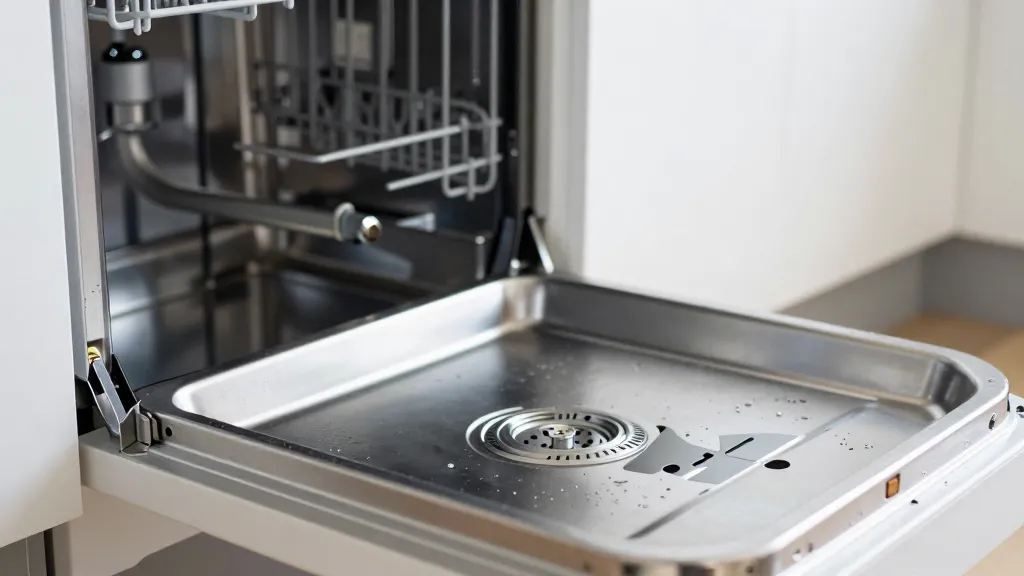
A clogged filter or drain pump is one of the primary reasons standing water accumulates in the dishwasher. The filter, located at the bottom of the appliance, can become blocked by food particles, grease, or debris over time. Similarly, the drain pump may malfunction or become obstructed, preventing proper water removal. If the filter or pump is not functioning correctly, water remains in the dishwasher after the cycle completes, leading to unpleasant odors and potential mold growth.
How the Garbage Disposal Affects Drainage
The garbage disposal plays a crucial role in the dishwasher's drainage system. If the disposal is not working correctly or is clogged, it can block the flow of water from the dishwasher into the main drain. A faulty disposal plug or a buildup of food particles in the disposal can restrict the drainage path, causing water to pool at the bottom of the dishwasher. Additionally, if the disposal is not properly connected to the drain line, it can create a bottleneck, further contributing to standing water. Ensuring the disposal is clean and functioning properly is an essential step in resolving drainage issues.
How to Clean the Dishwasher Filter
Cleaning the dishwasher filter is a simple yet essential step in resolving standing water issues. Over time, food particles and debris can accumulate in the filter, blocking proper drainage. By regularly cleaning this component, you can improve the dishwasher’s performance and prevent water from pooling at the bottom.
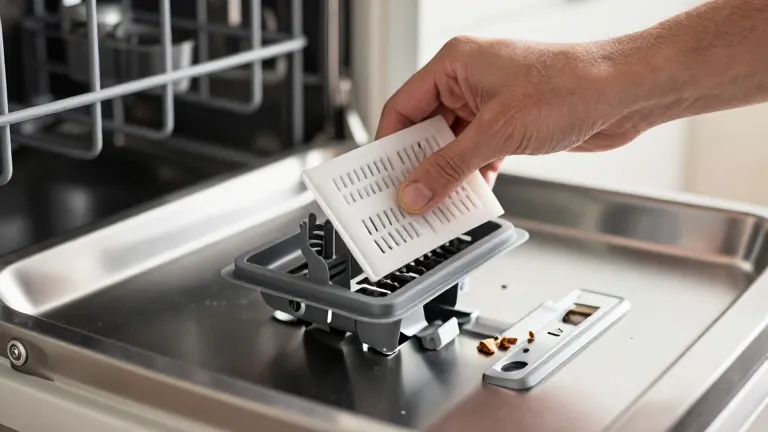
- Locate the filter at the bottom of the dishwasher and remove it for cleaning.
- Rinse the filter under running water to remove food particles and debris.
- Reinstall the filter and test the dishwasher to see if the issue is resolved.
Locating the Dishwasher Filter
To locate the dishwasher filter, open the dishwasher door and look at the bottom rack area. The filter is typically a small, removable component that sits beneath the spray arms or within the base of the dishwasher. Some models may have a separate access panel, while others require you to lift the bottom rack to access it. Once located, carefully remove the filter to avoid damaging surrounding parts.
Cleaning the Filter Properly
After removing the filter, rinse it thoroughly under running water to flush out any food particles, grease, or debris that has built up over time. Use your fingers or a soft brush to gently scrub away stubborn residue. Avoid using harsh chemicals or abrasive cleaners, as these can damage the filter’s material. Once clean, ensure the filter is completely dry before reinstalling it.
Fixing the Garbage Disposal Plug
If your dishwasher is not draining properly, the garbage disposal plug could be the culprit. This small component plays a vital role in channeling wastewater from the dishwasher to the drain. A blocked or improperly seated plug can prevent water from flowing out, leading to standing water at the bottom of the appliance. Ensuring the plug is in good condition and free of debris is an essential step in resolving drainage issues.
- Check that the garbage disposal plug is securely in place and not loose or damaged.
- Inspect the plug for any food particles, grease, or buildup that might be obstructing the flow.
- Use a small brush or cloth to gently clean the plug and surrounding area, removing any debris.
- Run water through the disposal to test if the plug is now allowing proper drainage.
Checking the Garbage Disposal Plug
Begin by locating the garbage disposal plug, which is typically found at the bottom of the dishwasher near the front. If it's loose or not fully inserted, push it firmly into place. A damaged plug may need to be replaced, but first, check for any visible blockages that could be preventing it from functioning correctly.
Cleaning the Plug and Drain Area
Once the plug is in place, thoroughly clean the area around it to remove any accumulated food residue or grease. Use a mild detergent and a soft brush to scrub the surface, ensuring no debris remains to interfere with drainage. After cleaning, run water through the disposal to see if the water flows out smoothly. If the issue persists, further inspection of the drain system may be necessary.
Troubleshooting Dishwasher Drainage Issues
When your dishwasher fails to drain properly, the issue may lie in the drain hose or the internal pump system. These components are critical for removing water after a cycle, and any obstruction or malfunction can lead to standing water. By systematically checking these areas, you can often resolve the problem without requiring professional assistance.
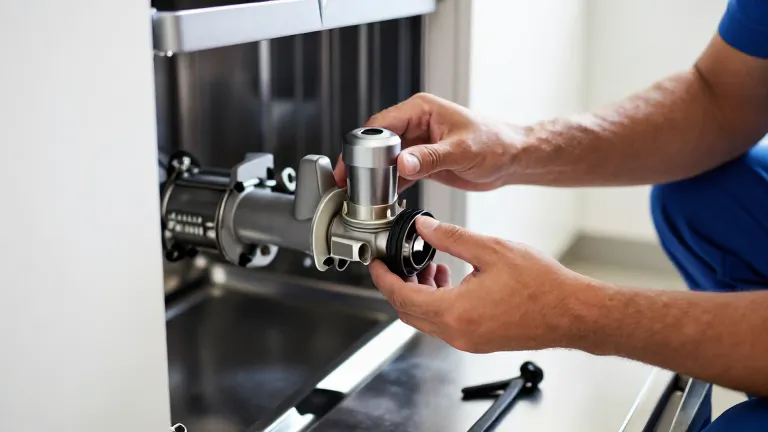
Inspecting the Drain Hose for Blockages
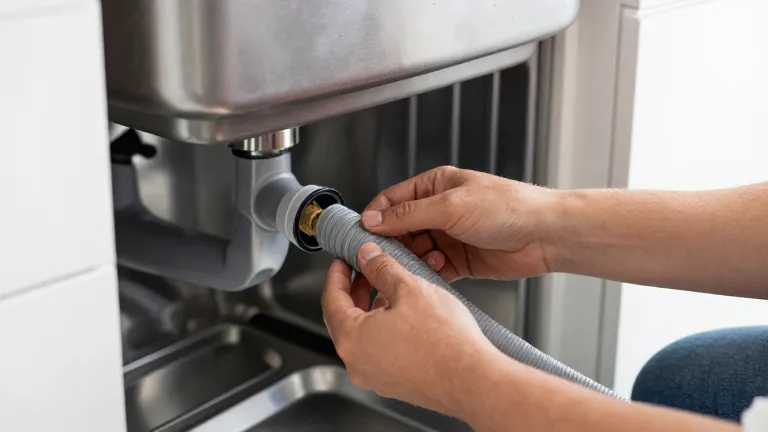
Start by inspecting the drain hose for kinks, twists, or blockages that could impede water flow. The hose typically connects the dishwasher to the sink or garbage disposal. Look for physical damage, such as cracks or leaks, and ensure the hose is positioned correctly. A kinked hose can restrict water movement, causing it to pool at the bottom of the dishwasher. If you find a blockage, clear it using a plumber’s snake or a long, flexible wire. If the hose is damaged, replace it with a new one designed for your dishwasher model.
Checking the Drain and Pump System
Next, check the drain and pump system for potential issues. Locate the drain pump, usually at the bottom of the dishwasher behind a panel. Remove the panel to access the pump and inspect for debris, such as food particles or soap residue, that may be clogging the impeller. A faulty pump can prevent water from being expelled, so test it by running a cycle and observing if it activates. If the pump is damaged or worn, it may need to be replaced. If the dishwasher still doesn’t drain after checking these components, it could indicate a deeper electrical or mechanical issue that requires professional attention.
When to Call a Professional Dishwasher Repair Service
If the steps outlined in the previous sections fail to resolve the issue, it may indicate a more serious problem within the dishwasher’s drainage system. A faulty drain pump, a clogged drain line, or a malfunctioning water valve could all contribute to standing water at the bottom of the appliance. These issues often require specialized tools and expertise to diagnose and repair, making them unsuitable for DIY attempts.
Professional dishwasher repair services are equipped to identify and address complex drainage problems that homeowners may overlook. Technicians can inspect the drain pump for wear or damage, clear stubborn blockages in the drain line, and ensure the water valve is functioning correctly. Their experience with various dishwasher models and components allows them to provide accurate and lasting solutions.
When choosing a repair service, it is crucial to select a reputable and experienced technician to avoid further damage to the appliance. A qualified professional will not only fix the immediate issue but also check for potential underlying problems that could lead to future malfunctions. This proactive approach helps extend the lifespan of the dishwasher and ensures optimal performance.
Before scheduling a service, it is advisable to gather any relevant information about the dishwasher’s age, model, and previous maintenance. This helps the technician prepare for potential issues and provides a clearer understanding of the appliance’s condition. By working with a trusted repair service, homeowners can resolve drainage issues effectively and restore the dishwasher’s functionality.
Frequently Asked Questions
What should I do if my dishwasher is not draining but the filter is clean?
If the filter is clean and the dishwasher still isn't draining, check the drain hose for blockages and inspect the drain pump system. A clogged drain hose or a faulty pump can prevent water from draining properly.
Can a clogged garbage disposal cause standing water in the dishwasher?
Yes, a clogged garbage disposal can block the drain line, preventing water from flowing out of the dishwasher. Ensure the garbage disposal plug is clear and the disposal itself is functioning properly.
How often should I clean the dishwasher filter?
It's recommended to clean the dishwasher filter every one to two months. Regular cleaning prevents clogs and ensures optimal drainage performance.
What if my dishwasher still has standing water after cleaning the filter and checking the drain hose?
If the issue persists, inspect the drain pump for damage or debris. If the pump is faulty, it may require professional repair or replacement to resolve the drainage problem.
Final Steps for a Draining Dishwasher
Maintaining a clean filter and checking the drain system are essential for preventing standing water in your dishwasher. If these steps don't resolve the issue, a faulty drain pump may need attention. Regular maintenance can help avoid more serious problems.
To ensure your dishwasher functions properly, follow the cleaning and inspection steps outlined. If drainage issues continue, contacting a professional repair service is the best next step.