How to Fix Ice Maker Not Making Ice in Samsung or LG Fridge
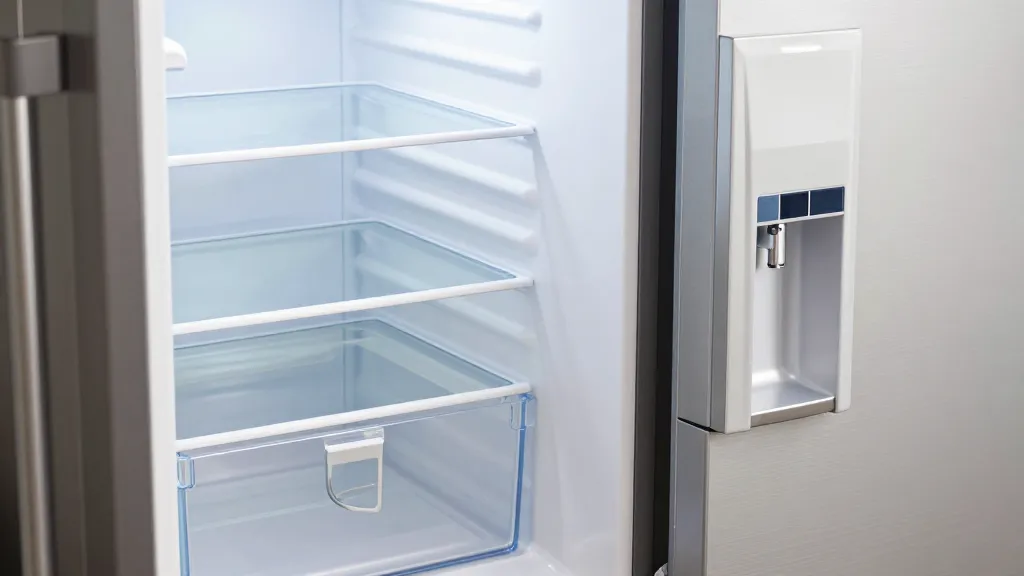
If your Samsung or LG fridge's ice maker isn't producing ice, it can be frustrating, especially when you're relying on it for drinks or meals. This guide will walk you through practical steps to troubleshoot and resolve the issue without needing to call a technician. We'll cover everything from checking basic settings to inspecting the water supply and resetting the ice maker. Whether you're a homeowner or living in an apartment, these solutions are designed to help you identify and fix common problems with your fridge's ice maker. Let's start by verifying the ice maker settings and freezer temperature, which are often the first steps in resolving the issue.
Check for Basic Issues Before Troubleshooting
Before diving into complex troubleshooting steps, it's essential to address the most common issues that can prevent your Samsung or LG fridge's ice maker from producing ice. Many problems can be resolved with simple checks, saving you time and effort before considering more advanced solutions.
Verify Ice Maker Settings
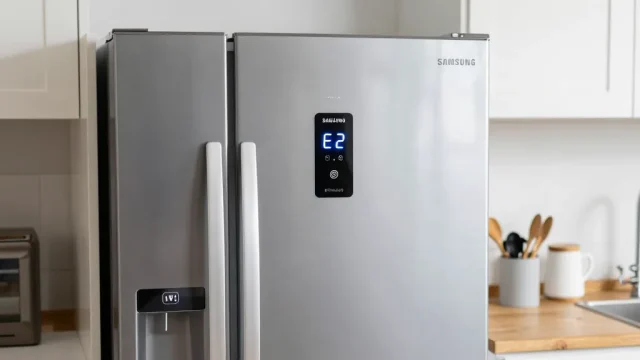
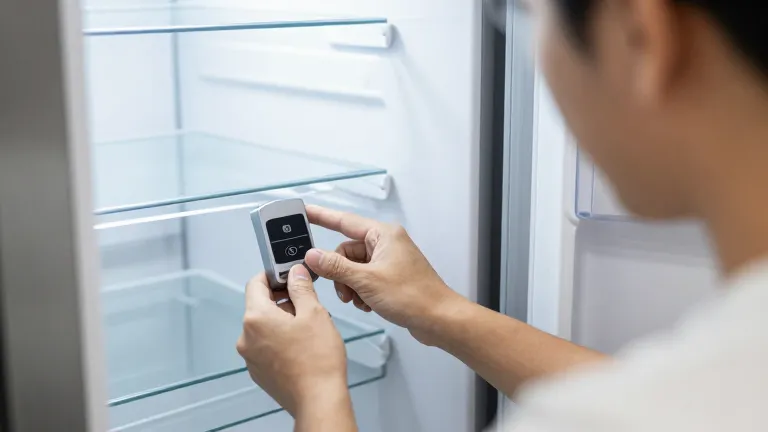
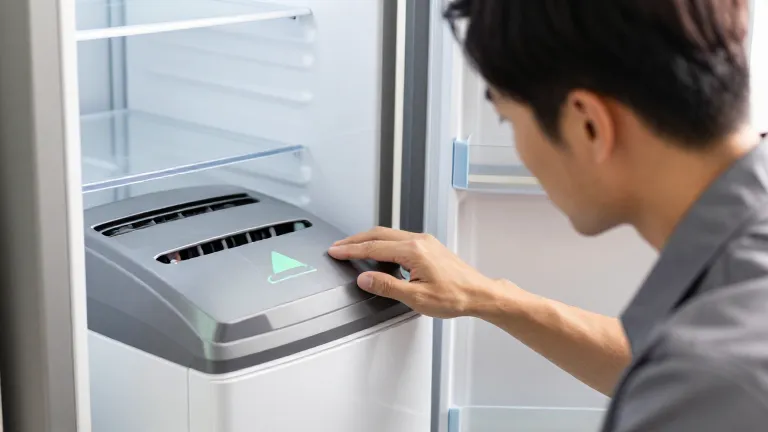
Ensure the ice maker is activated and not in a locked or paused mode. Some models have a switch or a button that needs to be pressed to start the ice-making process. If the ice maker is in a paused state, it may not produce ice until the cycle is resumed. Refer to your fridge's user manual for specific instructions on how to activate or reset the ice maker.
Check Freezer Temperature
The freezer compartment should be maintained at a temperature between 0°F and 5°F (-18°C and -15°C) to ensure proper ice production. If the temperature is too high, the ice maker may not function correctly. Conversely, if the temperature is too low, it could cause the water line to freeze. Adjust the temperature settings on your fridge's control panel to ensure the freezer is within the optimal range. If the temperature is not correct, the ice maker may not operate as intended.
Reset the Ice Maker to Restore Function
Resetting the ice maker can often resolve minor glitches that prevent it from producing ice. This section outlines the steps to reset both the ice maker itself and the entire fridge system, which can help restore normal operation without requiring professional assistance.
- Locate the reset button on the ice maker or in the freezer compartment.
- Press and hold the reset button for 5 to 10 seconds to initiate a reset.
- Wait for the ice maker to reboot and check if ice production resumes.
- If the reset doesn't work, try unplugging the fridge for 10 minutes and plugging it back in.
How to Reset an Ice Maker
To reset the ice maker, first locate the reset button. This is typically found on the front of the ice maker unit or inside the freezer compartment near the ice maker. Some models may have a small hole or a button that needs to be pressed with a paperclip or similar tool. Once located, press and hold the reset button for 5 to 10 seconds. This action will restart the ice maker's internal system, which can resolve minor software glitches or temporary malfunctions.
Resetting via Power Cycle
If the reset button does not resolve the issue, a power cycle can help reset the entire fridge system. Unplug the fridge from the power source for at least 10 minutes to allow the internal electronics to fully power down. After this period, plug the fridge back in and wait for it to restart. This process can clear any electrical interference or reset the system, potentially restoring ice production. Allow the fridge to run for a few hours before checking if the ice maker is functioning properly.
Investigate the Water Supply and Frozen Line
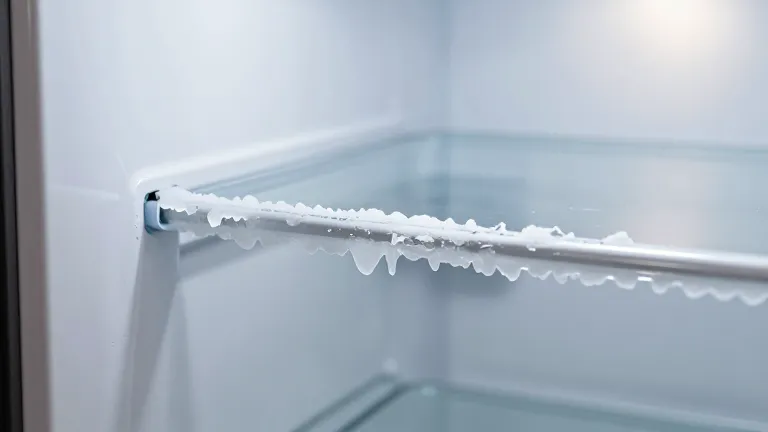
A frozen or blocked water line is a common cause of ice maker failure in Samsung and LG fridges. This section guides you through inspecting and addressing issues with the water supply system, including checking for kinks, leaks, or blockages, and dealing with frost buildup that may impede water flow.
Inspecting the Water Line
Start by locating the water line inside your freezer compartment. This line is typically connected to the back wall or the bottom of the freezer and runs to the ice maker. Carefully inspect the line for any visible kinks, leaks, or signs of damage. A kinked or cracked line can prevent water from reaching the ice maker, while leaks may indicate a faulty connection or a damaged hose. If you notice any issues, you may need to replace the water line or secure it properly to ensure a steady flow of water.
Thawing a Frozen Water Line
If you find frost buildup on the water line or inside the freezer compartment, it may be due to a frozen section of the line. Use a hairdryer set to a low heat setting to gently warm the affected area and melt the ice. Avoid using high heat or direct contact with the line, as this could damage the plastic components. Once the ice has melted, check if water is flowing freely through the line. If the problem persists, it may be necessary to replace the water line or consult a professional for further assistance.
Troubleshoot Common Ice Maker Malfunctions
Troubleshooting common ice maker malfunctions involves identifying and resolving issues related to power supply, mechanical components, and internal controls. These problems can often be addressed with basic tools and careful inspection, helping to avoid unnecessary service calls.
Checking for Power Issues
To check if the ice maker is receiving power, use a multimeter to test the voltage at the ice maker's power supply terminals. If no power is detected, the issue could be a tripped circuit breaker, a blown fuse, or a faulty connection in the wiring. Locate the fuse box or circuit breaker panel and ensure that the correct circuit is powered. If the power supply is functioning properly, the problem may lie elsewhere in the ice maker's internal system.
Examining the Ice Maker Components
Inspect the ice maker tray for ice buildup or mechanical failure, which can prevent proper ice formation or release. A frozen tray or damaged mechanism can cause the ice maker to stop working altogether. Remove the tray and clear any excess ice, then check for signs of wear, cracks, or misalignment in the tray's components. If the tray is damaged, it may need to be replaced to restore functionality.
Look for signs of wear or damage on the motor or gears inside the ice maker. A malfunctioning motor or worn-out gears can prevent the ice maker from operating correctly. Carefully open the ice maker compartment to access the internal components and examine the motor for unusual noise, heat, or visible damage. If the motor is faulty, it may require replacement. Additionally, a faulty ice maker control board can disrupt the operation, so inspect the board for visible damage or burn marks.
When to Call a Professional Repair Service
If basic troubleshooting steps fail to resolve the issue, it may indicate a more complex mechanical or electrical fault. Problems such as a broken ice maker motor, faulty control board, or damaged internal components can prevent the ice maker from functioning properly. These issues often require specialized tools and expertise to diagnose and repair correctly. Attempting to fix them without proper knowledge can lead to further damage or safety risks.
Frequently Asked Questions
What should I do if my ice maker is frozen and not working?
If your ice maker is frozen, first unplug the fridge and let it thaw for a few hours. Then, check for ice buildup in the water line and clear it manually if needed. If the issue persists, consider resetting the ice maker or contacting a technician.
How do I know if the water line is frozen in my fridge?
A frozen water line often causes the ice maker to stop producing ice. Look for visible ice buildup along the line, or check if water isn’t flowing into the ice maker. If the line is frozen, you may hear a clicking sound or notice reduced ice production.
Can I fix a broken ice maker myself, or should I call a technician?
Minor issues like frozen lines or reset settings can often be fixed at home. However, if the ice maker is broken due to damaged components or internal faults, it’s best to call a professional technician for accurate diagnosis and repair.
How long does it take for an ice maker to start working again after a reset?
After a reset, it may take 24 to 48 hours for the ice maker to start producing ice again, depending on the fridge’s temperature and the reset method used. Ensure the freezer is at the correct temperature and the water supply is working properly.
Final Steps for Ice Maker Repair
Troubleshooting an ice maker that’s not making ice involves checking settings, resetting the unit, inspecting the water supply, and examining components. If these steps don’t resolve the issue, professional help may be necessary. Addressing the problem early can prevent further damage and ensure efficient operation.
To restore your ice maker’s functionality, start with basic checks and reset procedures. If the problem persists, consult a technician. Regular maintenance and timely intervention can keep your fridge running smoothly and efficiently.