Understanding Good Error Codes
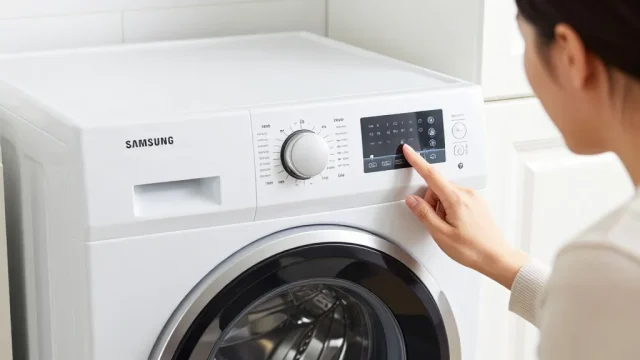
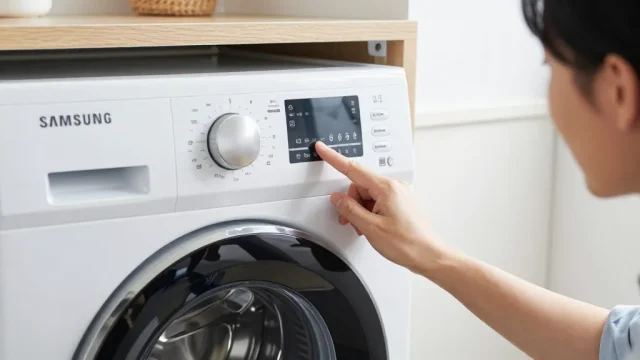
When your device or appliance displays an error code, it can be confusing—especially if you're not sure what it means. Good error codes are designed to provide clear, actionable information that helps you identify and resolve issues without needing professional assistance. Whether you're dealing with a smart TV, a washing machine, or a router, understanding these codes can save you time and frustration. This article will explain what makes an error code 'good,' how to interpret them, and how to use them effectively for troubleshooting.
We’ll break down the components of error codes, from their structure to their meanings, so you can confidently navigate the information provided. You’ll also learn how to access manufacturer guides and other resources that can help you make sense of the codes you encounter.
By the end of this article, you’ll have the tools and knowledge to interpret good error codes and use them to maintain your devices and appliances more efficiently. Whether you're a home user or a tech-savvy individual, this guide will empower you to troubleshoot common issues on your own.
What Are Good Error Codes?
Good error codes are essential for diagnosing and resolving technical issues on devices and appliances. They act as clear, concise messages that help users pinpoint specific problems, enabling faster and more efficient troubleshooting. Whether you're dealing with a smart home device or a traditional appliance, understanding good error codes can save time and reduce frustration.
What Makes an Error Code 'Good'?
A good error code is a standardized message that provides precise information about a problem. It is typically numeric or alphanumeric, making it easy to recognize and reference. These codes are designed to be universal, meaning they can apply across different device types and brands, which simplifies the troubleshooting process. For example, an error code like 'E01' might indicate a specific issue with a washing machine, while the same code on a different appliance could have a related but distinct meaning.
Why Standardization Matters for Error Codes
Standardization of error codes ensures that users receive consistent and reliable information, regardless of the device or manufacturer. This consistency is crucial because it allows users to quickly understand the nature of the problem and take appropriate action. Without standardization, error codes could vary widely, leading to confusion and wasted time. Manufacturers often follow industry-wide standards to ensure compatibility and ease of use, making it easier for users to find solutions and support.
How to Read and Understand Error Codes
Understanding how to read and interpret error codes is a crucial step in troubleshooting technical issues. Error codes are designed to communicate specific problems with a device or appliance, often containing unique identifiers that help pinpoint the source of the issue. By learning to decode these codes, users can take proactive steps to resolve problems without needing professional assistance.
Decoding the Format of Error Codes
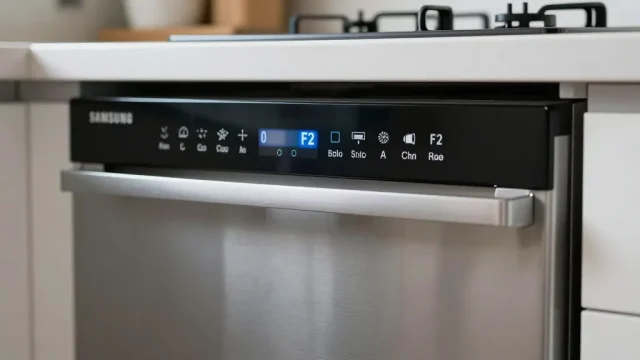
Error codes typically follow a specific format, which can vary depending on the manufacturer and device type. Common formats include numeric codes, alphanumeric combinations, or letter-number sequences. For example, a numeric code like 'E12' might indicate a motor issue, while an alphanumeric code such as 'F02' could relate to a temperature sensor fault. Recognizing these patterns helps users quickly identify potential problems and take appropriate action.
Using Manufacturer Guides for Better Understanding
To ensure accurate interpretation, it is essential to cross-reference error codes with manufacturer guides or online resources. Most devices come with user manuals that include detailed explanations of error codes, along with troubleshooting steps. Additionally, many manufacturers provide online lookup tools that allow users to input their error code and receive a clear description. These resources are invaluable for understanding the context of an error and determining the best course of action.
Common Good Error Codes and Their Meanings
Common error codes are widely used across various devices and appliances to indicate specific issues, such as temperature control problems, sensor malfunctions, or connectivity errors. These codes often follow standardized formats, making them easier to identify and troubleshoot. Understanding these codes can save time and effort, especially for users who prefer to resolve issues independently.
Examples of Standard Error Codes
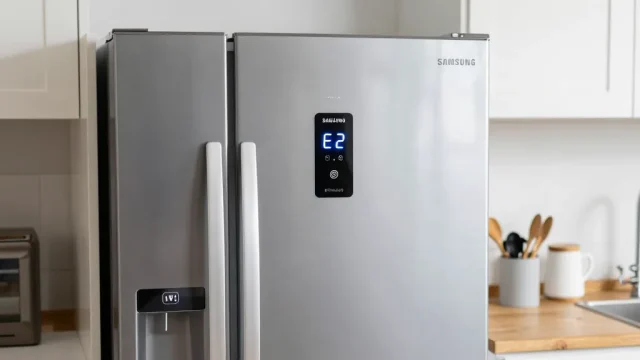
Standard error codes like E1, E2, and F0 are frequently encountered in devices such as refrigerators, washing machines, and HVAC systems. For instance, E1 might indicate a temperature sensor failure in a refrigerator, while E2 could signal an issue with the cooling system. Similarly, F0 is often associated with system failures in appliances like air conditioners. These codes provide clear, concise information about the nature of the problem, enabling users to take targeted corrective actions.
Device-Specific Error Code Variations
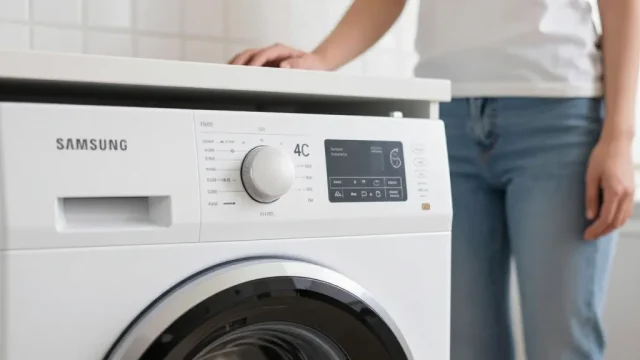
While many error codes are standardized, others are specific to certain devices or brands. For example, a washing machine from brand A might use code 21 to indicate a water level sensor error, whereas the same brand's dryer might use code 22 for a similar issue. These variations highlight the importance of consulting the user manual or manufacturer resources for accurate interpretations. Device-specific codes often reflect unique hardware configurations or software settings, making general knowledge insufficient for precise troubleshooting.
How to Use Error Codes to Troubleshoot
Error codes are more than just indicators of problems; they can serve as a roadmap for troubleshooting. By following the guidance embedded in these codes, users can often resolve issues without needing professional assistance.
- Check the device’s manual or manufacturer website for specific troubleshooting steps linked to the error code.
- Attempt simple fixes like restarting the device, checking physical connections, or recalibrating settings.
- If the error code points to a hardware issue, consider replacing faulty components or consulting a repair guide.
- Use online forums or community resources to find solutions from others who have encountered the same error.
Troubleshooting with Error Code Guidance
Many error codes are designed to point users toward straightforward solutions. For example, an error indicating a disconnected cable can often be resolved by simply reseating the connection. Similarly, codes related to overheating may prompt users to clean dust from vents or ensure proper ventilation. These steps are typically outlined in the device’s manual or on the manufacturer’s support page, making it easy for users to follow a clear path to resolution.
When to Seek Further Help with Error Codes
Some error codes signal more complex issues that require advanced troubleshooting or technical expertise. For instance, a code related to a sensor malfunction might require recalibration or replacement of the sensor itself. In these cases, users may need to consult detailed guides, video tutorials, or seek advice from online communities. If the problem persists after attempting all suggested solutions, it may be necessary to contact the manufacturer’s support team or a qualified technician for further assistance.
Tools and Resources for Interpreting Error Codes
When troubleshooting error codes, having the right tools and resources can make a significant difference. Many manufacturers provide online tools for looking up error codes and understanding their meanings, while third-party websites and forums offer additional insights and solutions. Some devices also allow users to view error codes directly on the screen or through a mobile app, making the process more accessible.
Manufacturer Error Code Lookup Tools
Many manufacturers provide online tools for looking up error codes and understanding their meanings. These tools often include searchable databases, detailed explanations, and troubleshooting steps tailored to specific devices. Users can typically access these resources through the manufacturer’s official website or by scanning a QR code on the device itself. These tools are invaluable for quickly identifying the cause of an error and taking corrective action.
Third-Party Error Code Resources
Third-party websites and forums can also be useful for finding explanations and solutions to common error codes. These platforms often have community-driven content, including user experiences, step-by-step guides, and discussions on similar issues. While not always official, they can provide practical advice and alternative solutions that complement manufacturer resources. It’s important to verify the credibility of these sources to ensure accurate and reliable information.
Frequently Asked Questions
What should I do if I see an error code on my appliance?
First, refer to the appliance's manual or manufacturer guide to understand the error code. If the code indicates a simple issue, try resetting the appliance or checking connections. If the problem persists, consult a technician for further assistance.
How can I find out what a specific error code means?
Check the appliance's manual or visit the manufacturer's website for error code definitions. Many brands provide online tools or downloadable guides that list error codes and their meanings. You can also search for the error code along with the brand name to find detailed explanations.
Are all error codes the same across different brands?
No, error codes vary between brands and models. Each manufacturer has its own system for coding errors, which may include different formats or meanings. Always refer to the specific brand's guide for accurate interpretations.
Can I fix an error code without contacting a technician?
Many error codes can be resolved by following basic troubleshooting steps, such as checking connections, resetting the appliance, or clearing caches. However, complex issues or hardware failures may require professional assistance.
Final Thoughts
Good error codes provide clear, standardized information that helps users identify and resolve issues quickly. Understanding how to read and interpret these codes can save time and prevent unnecessary repairs. Always refer to manufacturer resources for accurate guidance.
To begin, consult your appliance's manual or online guide for error code definitions. Use this knowledge to troubleshoot common issues or seek help when needed. A good error code is your first step toward resolving problems efficiently.