Gmail Settings Security: 5 Essential Changes to Improve Your Account Safety
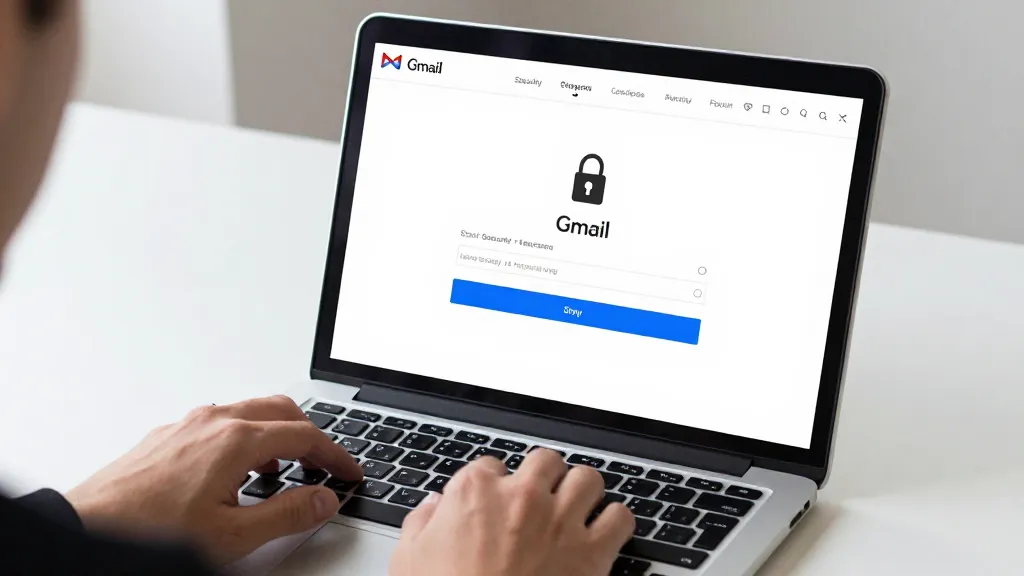
In today's digital landscape, securing your Gmail account is more important than ever. With cyber threats constantly evolving, even a single oversight in your gmail settings security can leave your personal and professional data vulnerable. Many users are unaware of the simple yet effective steps they can take to protect their accounts. This article will guide you through five essential changes to enhance your gmail settings security and reduce the risk of unauthorized access.
From enabling Two-Factor Authentication to reviewing app permissions, these adjustments are designed to be practical and easy to implement. Whether you're a home user or an office worker, understanding and applying these settings can significantly improve your account safety. By taking control of your gmail settings security, you're taking a proactive step toward protecting your digital life.
Each section will explain the importance of the setting, how to configure it, and why it matters. By the end of this article, you'll have a clear understanding of how to secure your Gmail account with minimal effort. Let's dive into the first step to strengthen your gmail settings security.
Enable Two-Factor Authentication (2FA)
Two-Factor Authentication (2FA) is a critical security feature that adds an extra layer of protection to your Gmail account. By requiring users to provide a second form of verification in addition to their password, 2FA significantly reduces the risk of unauthorized access, even if someone steals your password. This simple yet powerful measure is essential for home users and office workers who want to safeguard their sensitive information.
What Is Two-Factor Authentication?
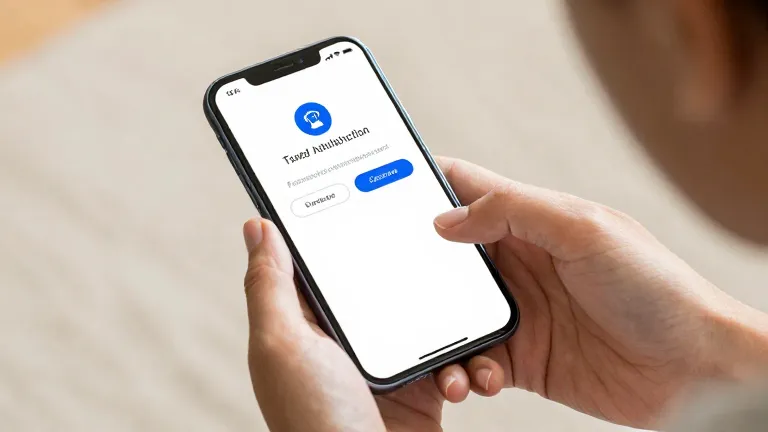
Two-Factor Authentication (2FA) is a security method that requires users to provide two different forms of verification to access their account. The first form is typically your password, while the second can be a code sent to your phone via SMS, a verification code generated by an authenticator app, or a physical security key. This dual verification process ensures that even if your password is compromised, an attacker cannot gain access without the second factor.
How to Set Up 2FA on Gmail
To set up 2FA on Gmail, start by visiting the Google Account settings and navigating to the 'Security' section. From there, select '2-Step Verification' and follow the prompts to enable it. You can choose between SMS-based codes, an authenticator app like Google Authenticator, or a physical security key. Once enabled, you'll be prompted to enter a verification code each time you log in, adding an extra layer of security to your account.
Turn Off Less Secure Apps
Many third-party apps and services can access your Gmail account, but not all of them are secure. Some apps may not follow the same security standards as Google, making your account more vulnerable to attacks. Turning off access for less secure apps is a simple yet effective step to enhance your account's security.
Understanding Less Secure Apps
Less secure apps are applications that do not use modern security protocols to connect to your Gmail account. These apps might not support features like OAuth 2.0, which is a more secure method of authentication. By allowing access to these apps, you risk exposing your account to potential breaches or unauthorized activity.
How to Disable Less Secure Apps Access
To disable access for less secure apps, go to your Gmail settings and navigate to the 'Security' tab. Look for the option that says 'Less secure app access' and toggle it off. This action will prevent any apps that do not use secure protocols from accessing your account. It's important to note that some apps may stop working after this change, so you should check if any of your frequently used tools are affected.
Use a Strong, Unique Password
A strong, unique password is essential for protecting your Gmail account from brute-force attacks and unauthorized access. Weak passwords are often the first line of defense that cybercriminals exploit to gain entry into your account. By using a password that is both complex and unique, you significantly reduce the risk of your account being compromised.

What Makes a Password Strong?
A strong password typically includes a mix of uppercase and lowercase letters, numbers, and special characters. It should be at least 12 characters long to make it more difficult for hackers to guess or crack. Avoid using common words, phrases, or patterns that can be easily guessed. For instance, using 'password123' or '123456' is highly insecure and should be avoided. Instead, opt for a random combination of characters that you can remember but others cannot.
How to Create and Store a Secure Password
Creating a secure password involves both complexity and memorability. One effective method is to use a passphrase—a sequence of words that are easy for you to remember but hard for others to guess. For example, 'PurpleTigerLovesCoffee!' is a strong password because it includes a mix of letters, numbers, and symbols. To store your password securely, use a password manager like Bitwarden or 1Password. These tools help you generate, store, and retrieve passwords without the need to remember them all. Additionally, avoid writing down your password in an easily accessible place, as this can lead to unauthorized access.
Review and Manage App Permissions
Many apps request access to your Gmail account, and some may not be necessary. Reviewing and managing app permissions ensures that only trusted applications have access to your account. This step is crucial for maintaining the security of your Gmail account and preventing unauthorized data sharing.
Understanding App Permissions
App permissions allow third-party applications to access your Gmail account, often for functionalities like sending emails or syncing calendars. However, not all apps are trustworthy, and some may collect your data without your knowledge. Understanding these permissions helps you identify which apps have access to your account and what they can do.
How to Review and Revoke App Access
To review and revoke app access, go to your Gmail settings and navigate to the 'Security' tab. Here, you'll find a list of all apps that currently have access to your account. You can remove any app by clicking 'Remove Access' next to its name. Regularly checking this list ensures that only necessary apps remain connected to your account.
Enable Gmail's Security Features
Gmail provides a range of built-in security features designed to protect your account from phishing, malware, and other online threats. These tools work behind the scenes to detect and block suspicious activity, ensuring your data remains safe from unauthorized access.
What Are Gmail's Security Features?
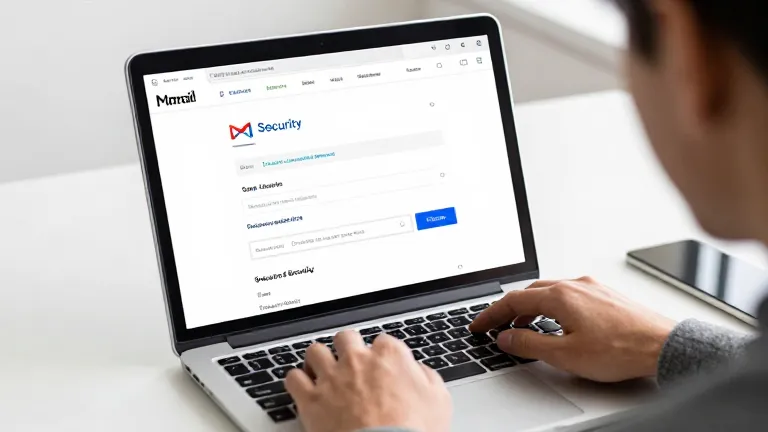
Gmail's security features include advanced protection against phishing attempts, automatic filtering of harmful content, and real-time monitoring of your account for unusual activity. These tools help identify and block threats before they can compromise your account. For example, Gmail's spam filter uses machine learning to detect and remove harmful emails, while its phishing protection identifies and blocks suspicious links and attachments.
How to Enable and Manage Gmail Security Settings
To enable and manage these security settings, go to Gmail's Settings > See all settings > Security. Here, you can activate advanced protection for suspicious activity, which enhances your account's defenses against potential threats. You can also review and update your security settings regularly to ensure they align with your current needs and stay protected against emerging risks. It's recommended to check these settings periodically to maintain optimal security for your Gmail account.
Frequently Asked Questions
What is Two-Factor Authentication (2FA), and why is it important for Gmail security?
Two-Factor Authentication (2FA) adds an extra layer of security by requiring a second form of verification, such as a code sent to your phone, in addition to your password. It significantly reduces the risk of unauthorized access to your account.
How can I check if my Gmail account has been accessed by a less secure app?
You can check this by going to your Google Account settings, navigating to 'Security,' and reviewing the 'Less secure apps' section. This will show you if any apps have accessed your account in the past.
What should I do if I suspect my Gmail account has been hacked?
If you suspect your account has been hacked, immediately change your password, enable 2FA if it's not already active, and review your account activity for any suspicious behavior. Report the incident to Google through their security tools.
Can I use a password manager to help secure my Gmail password?
Yes, using a password manager can help you create and store strong, unique passwords for your Gmail account. It also helps prevent password reuse and makes it easier to manage multiple accounts securely.
Take Control of Your Gmail Security
Securing your Gmail account is essential to protect your personal and professional data. By implementing these settings, you can significantly reduce the risk of unauthorized access and enhance your overall account security.
Take the first step by enabling 2FA and reviewing your account settings today. These simple changes can make a big difference in keeping your Gmail account safe and secure.