Troubleshooting Help: Fix Common Tech Issues

In today's fast-paced world, tech issues can disrupt your daily routine, whether you're a homeowner or a busy professional. From frozen devices to unstable internet connections, these problems can be frustrating—and fixing them without professional help is often possible. With the right troubleshooting help, you can resolve common malfunctions and restore your devices to full functionality. This article provides practical, step-by-step guidance to help you tackle a wide range of technical challenges at home or on the go.
We'll start by exploring the most common tech issues you might encounter, from device malfunctions to network problems. Understanding what to look for is the first step in finding a solution. Next, we'll walk you through basic and advanced troubleshooting techniques to address persistent issues with confidence. Whether your device is unresponsive or your internet is unreliable, these methods can help you regain control.
Finally, we'll cover preventative measures to reduce the likelihood of future problems. By adopting simple maintenance routines and best practices, you can minimize the need for troubleshooting and keep your technology running smoothly. If all else fails, we'll also guide you on when to seek professional assistance—so you can make informed decisions and avoid unnecessary stress.
Understanding Common Tech Issues
Understanding common tech issues is the first step in effective troubleshooting. Homeowners and busy professionals often encounter problems with their devices and networks, which can disrupt daily tasks and communication. Recognizing the nature of these issues helps users apply the right solutions quickly, reducing the need for external assistance.

Common Device Issues
Common Device Issues typically involve hardware or software malfunctions that affect the performance of smartphones, computers, smart TVs, and other home devices. These can range from battery drainage and unresponsive touchscreens to software crashes and connectivity drops. Many of these problems stem from outdated software, incompatible applications, or physical damage, and addressing them often starts with a simple restart or update.
Common Network Problems
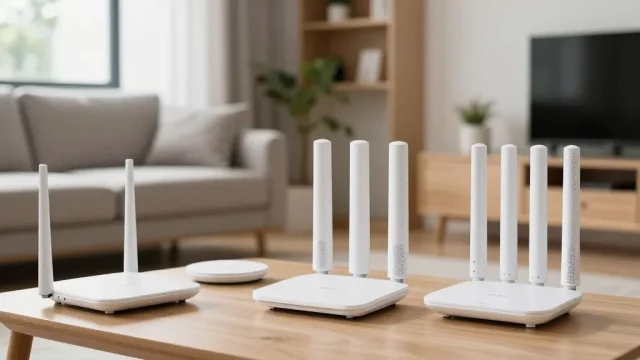
Common Network Problems usually revolve around internet connectivity, WiFi instability, and router performance. Issues such as slow browsing, dropped connections, or inability to access certain websites are frequently reported. These problems can be caused by interference from other devices, outdated router firmware, or service provider outages. Understanding the difference between local and external factors is crucial when troubleshooting network-related issues.
Troubleshooting Device Problems
Troubleshooting device problems often starts with simple, methodical steps that can resolve most minor issues. By following a structured approach, homeowners and busy professionals can identify and fix common device errors without needing to call in a technician.
- Restart the device to reset temporary glitches or software conflicts.
- Check all physical connections, such as cables or peripherals, for looseness or damage.
- Ensure the device is running the latest software updates and firmware.
- Test the device with alternative power sources or charging cables to rule out power-related issues.
Basic Checks for Device Malfunctions
Basic checks for device malfunctions are the first line of defense against common issues. Start by restarting the device, as this can clear minor software errors or temporary freezes. If the device is unresponsive, try pressing and holding the power button for a few seconds to force a restart. Also, inspect all physical connections, such as USB cables, HDMI ports, or external storage devices, for looseness or damage. A loose connection can cause intermittent problems, especially with audio or video output.
Advanced Troubleshooting for Persistent Issues
For persistent device issues, more in-depth troubleshooting is necessary. If a touchscreen is unresponsive, try recalibrating it through the device settings or using a screen calibration tool. If audio problems persist, check the volume settings, speaker or headphone connections, and ensure that no mute functions are active. In some cases, resetting the device to factory settings can resolve deep-seated software issues, though this should be a last resort as it will erase personal data. Always back up important files before proceeding with advanced troubleshooting steps.
Fixing Network Connectivity Issues
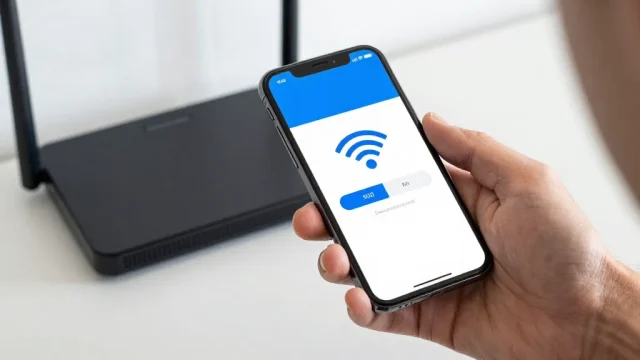
Fixing network connectivity issues often starts with a simple check of your WiFi connection. If your devices are experiencing slow speeds or disconnections, the problem may lie with your router, signal strength, or interference. By following a methodical approach, you can identify and resolve most common network problems without needing professional help.

- Restart your router and modem
- Check for signal interference
- Update router firmware
- Reset network settings on your device
Checking Your WiFi Connection
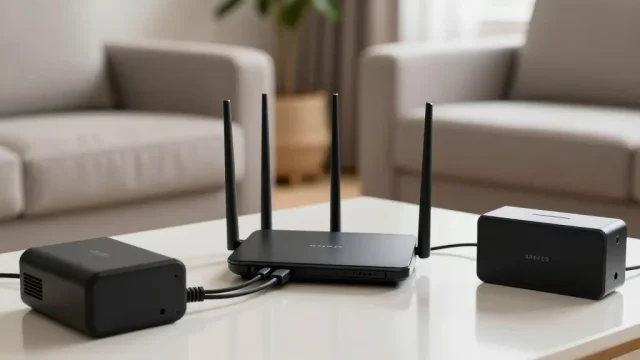
To check your WiFi connection, start by ensuring your router is powered on and all cables are securely connected. If your router is blinking or not responding, try unplugging it for 30 seconds and then plugging it back in. This can resolve temporary glitches that may be causing connectivity issues. Also, make sure your device is within range of the router and that no physical obstructions are blocking the signal.
Troubleshooting Internet Connectivity
If your WiFi connection is stable but you're still experiencing internet issues, check your modem's connection to your ISP. A weak or unstable connection from the ISP can cause slow speeds or intermittent outages. You can also verify your internet speed using an online speed test tool. If the results are lower than expected, contact your ISP to investigate potential service problems.
Preventative Measures for Tech Problems
Preventative measures are essential for minimizing the risk of tech issues and ensuring your devices operate smoothly over time. By adopting regular maintenance habits and mindful usage patterns, you can significantly reduce the likelihood of unexpected malfunctions and extend the lifespan of your equipment.
Routine Maintenance Tips
Routine maintenance involves simple yet effective actions like keeping software up to date, cleaning physical ports, and avoiding overloading devices. Regularly updating your operating system and apps ensures security patches and performance improvements are applied. Dust buildup in device ports can cause intermittent connectivity issues, so cleaning them with a dry cloth or compressed air can prevent future problems. Additionally, avoid plugging too many devices into a single power strip, as this can lead to overheating and electrical instability.
Best Practices to Avoid Common Problems
Backups and safe browsing habits are critical for protecting your data and reducing exposure to online threats. Regularly backing up important files to external drives or cloud services ensures you can recover data in case of hardware failure or ransomware attacks. Safe browsing practices, such as avoiding suspicious links, using ad blockers, and enabling two-factor authentication, can prevent malware infections and unauthorized access. These habits not only protect your digital assets but also contribute to a more stable and secure computing environment.
When to Seek Professional Help
Self-troubleshooting can often resolve minor tech issues, but there are situations where it falls short. If basic checks like restarting the device or checking connections don’t work, it may signal a more complex problem. Issues such as persistent crashes, unresponsive hardware, or software conflicts often require expert intervention. These problems can stem from faulty components, corrupted system files, or misconfigured settings that are difficult to address without specialized knowledge.

Signs that indicate a deeper hardware or software issue include frequent system failures, strange error messages, or devices that no longer function as intended. If your device overheats, emits unusual noises, or shows physical damage, these are red flags that should not be ignored. Additionally, if you notice a decline in performance that cannot be explained by normal usage patterns, it could point to a serious underlying issue that needs professional attention.
When in doubt, it’s better to seek support rather than attempt a risky fix. Contacting the manufacturer’s customer service or a qualified technician can help identify the root cause and provide a safe solution. Professionals have the tools and expertise to diagnose and resolve issues that go beyond basic troubleshooting, ensuring your devices operate reliably and safely. Don’t hesitate to reach out if the problem affects your daily activities or poses a risk to data security and privacy.
Frequently Asked Questions
What should I do if my phone keeps freezing?
If your phone keeps freezing, try closing unused apps, checking for software updates, and restarting the device. If the issue continues, remove the battery (if removable) or perform a factory reset after backing up data.
How can I fix my WiFi connection if it's unstable?
To fix an unstable WiFi connection, restart your router, check for interference from other devices, and ensure your WiFi adapter is enabled. Moving closer to the router or switching to a different network may also help.
What steps can I take if my computer won't start up?
If your computer won't start up, check the power source, ensure all cables are connected, and try a hard reset. If it still doesn't power on, inspect the power supply or consult a technician.
How do I know if my device needs professional help?
You should seek professional help if your device shows signs of physical damage, persistent software errors, or if troubleshooting steps fail. Complex issues or safety concerns also warrant expert assistance.
Take Control of Your Tech
Understanding common tech issues and following a structured troubleshooting approach can save time and prevent unnecessary costs. By performing basic checks, maintaining your devices, and knowing when to seek help, you can maintain reliable performance.
If you're unsure about how to proceed, don't hesitate to reach out for troubleshooting help. With the right guidance, you can resolve most issues at home, ensuring your technology remains functional and secure.