How to Fix Daikin Error Codes
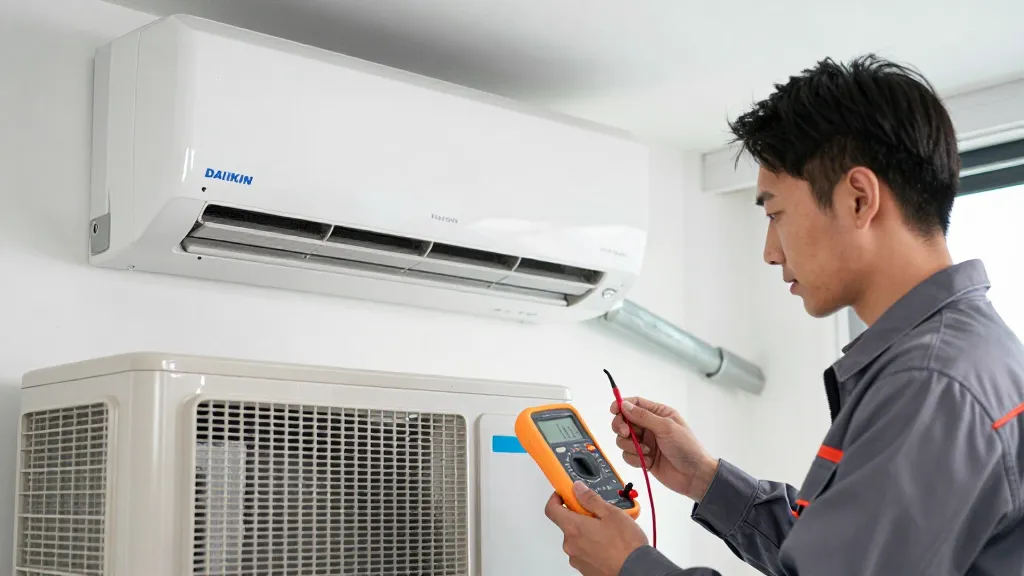
If you're facing a Daikin error code on your air conditioner or heating system, it can be frustrating and confusing. These codes are designed to alert you to potential issues, but without clear guidance, it's easy to feel lost. This article provides a straightforward guide on how to error code daikin, helping you understand what the codes mean and how to address them. Whether you're a homeowner or renter, knowing how to interpret and resolve these codes can save you time and money. The article walks you through the basics of Daikin error codes, including what they signify and common examples you might encounter. You'll also learn how to locate and read these codes on your unit, making it easier to diagnose the problem. With step-by-step troubleshooting tips, you can often resolve minor issues without calling a professional. For more serious problems, we'll guide you on when to seek expert help and how to contact Daikin support. Additionally, we'll share maintenance tips to prevent future errors and keep your system running smoothly. By following this guide, you can take control of your Daikin unit's performance and avoid unnecessary downtime.
Understanding Daikin Error Codes
Daikin error codes are essential diagnostic tools that help identify specific issues with your air conditioner or heating system. These codes, usually numerical or alphanumeric, appear on the unit's display to signal a particular fault. Understanding these codes is the first step in resolving problems efficiently and preventing further damage to the system.
What Daikin Error Codes Mean
Each Daikin error code corresponds to a specific fault within the system, such as a malfunctioning temperature sensor, low refrigerant levels, or electrical issues. These codes are designed to guide users toward the root cause of the problem, allowing for targeted troubleshooting. By recognizing the code, you can determine whether the issue is minor and fixable or requires professional attention.
Common Daikin Error Code Examples
Common Daikin error codes include E1, E2, and E3, which often relate to temperature sensor malfunctions, fan motor issues, or communication errors between the indoor and outdoor units. Other codes, such as F1 and F2, may indicate refrigerant-related problems or compressor failures. Familiarizing yourself with these codes helps you quickly identify the nature of the issue and take appropriate action. Refer to your unit's manual for a complete list of codes and their meanings, as they can vary slightly between models.
How to Locate and Read Daikin Error Codes
Locating and reading Daikin error codes is a crucial first step in troubleshooting your air conditioner or heating system. Most Daikin units display error codes on the unit's screen or control panel, making it easy to identify the issue. Understanding how to find and interpret these codes can save time and prevent unnecessary calls to a technician.
Where to Find Daikin Error Codes
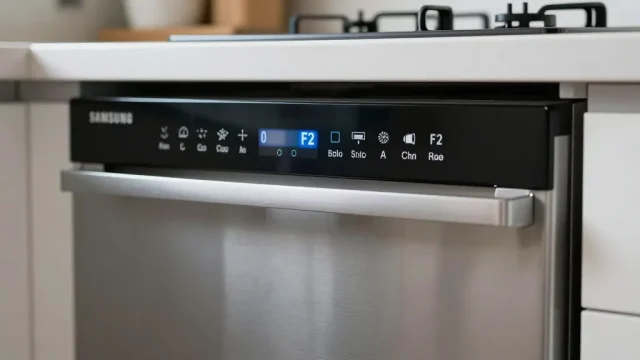
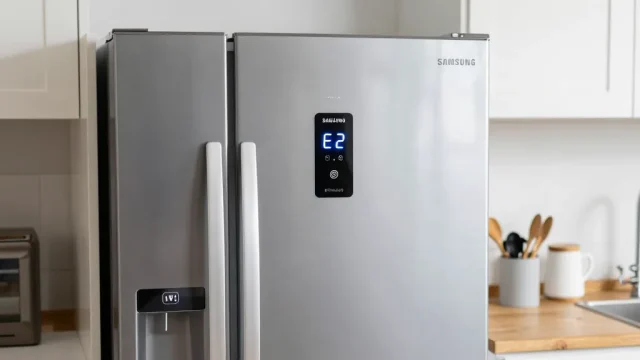
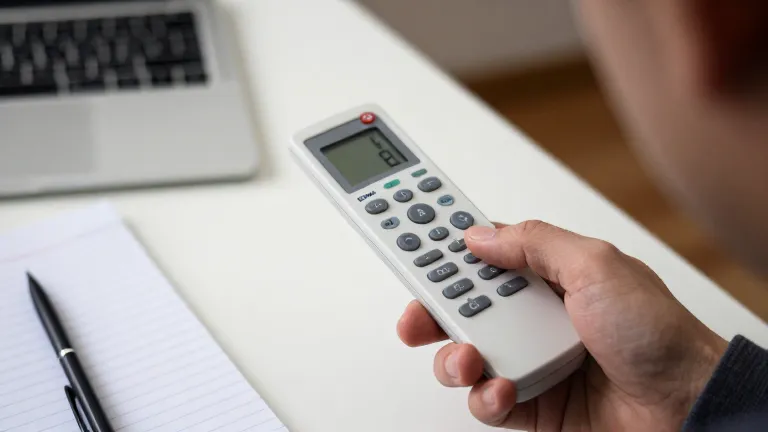
The error code is typically displayed on the unit's screen or control panel, often in a clear, numerical format. For example, a code like 'E1' or 'F2' may appear when a system component is malfunctioning. If your unit has a digital display, the error code should be visible once the system detects an issue. For older models with a numeric keypad, the code may flash or appear briefly before returning to normal operation.
Interpreting the Error Code Display
To fully understand the error code, refer to the user manual that came with your Daikin unit. The manual provides a comprehensive list of error codes and their corresponding meanings, helping you identify the specific issue. If the manual is not available, Daikin's official website or customer support may offer access to the code list. Note the code number and any additional symbols or letters that appear alongside it, as these can provide more context about the problem.
Troubleshooting Common Daikin Error Codes
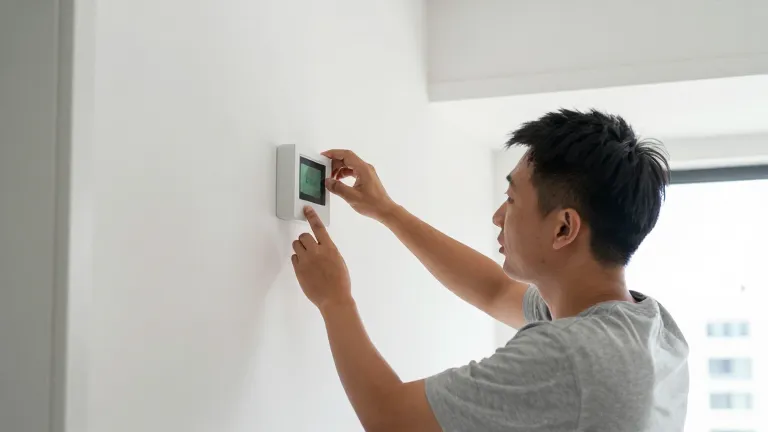
Troubleshooting Daikin error codes begins with simple, systematic steps that can often resolve the issue without professional assistance. Before diving into complex diagnostics, it's essential to perform basic checks that may address the root of the problem.
- Check that the unit is properly powered and the circuit breaker is not tripped.
- Inspect and clean the air filters to ensure airflow is not restricted.
- Verify that all vents and air outlets are unobstructed.
- Reset the unit by turning it off and on again to clear temporary glitches.
Basic Checks for Daikin Error Codes
Basic checks for Daikin error codes are designed to eliminate simple, common causes before moving to more complex solutions. Start by confirming that the unit is receiving power and that the circuit breaker has not tripped. A lack of power can trigger various error codes, so ensuring the unit is connected and operational is the first step. Next, inspect the air filters for dust buildup, as clogged filters can cause the system to overheat or operate inefficiently. If the filters are dirty, clean or replace them to restore proper airflow. Also, ensure that all vents and air outlets are clear of obstructions, as blocked airflow can lead to system malfunctions. If the unit is not responding after these checks, a reset may be necessary to clear temporary glitches.
Step-by-Step Troubleshooting for Specific Codes
Once basic checks are complete, use the Daikin error code guide to identify the specific code and follow a logical sequence of troubleshooting steps. Each error code corresponds to a particular issue, such as a refrigerant leak, sensor malfunction, or motor failure. For example, if the error code indicates a high-pressure issue, check the refrigerant levels and ensure the system is not overcharged. If the code points to a sensor fault, inspect the sensor for damage or loose connections. Always refer to the Daikin manual or online resources for accurate instructions, and follow the steps in the order provided to isolate the problem effectively. If the issue persists after following these steps, it may be necessary to seek professional assistance to prevent further damage.
When to Call a Professional Daikin Technician
Some Daikin error codes indicate issues that require professional expertise, such as refrigerant leaks or electrical faults. Attempting to fix these problems without proper knowledge can lead to further damage or safety risks. It's important to recognize when to seek professional help to ensure the problem is resolved safely and effectively.
Signs That You Need Professional Help
Signs that you need professional help include error codes related to refrigerant levels, electrical system failures, or internal component malfunctions. These issues often require specialized tools and training to diagnose and repair. If the error code is accompanied by unusual noises, smells, or visible leaks, it's a clear indication that a technician should be called. Additionally, if basic troubleshooting steps do not resolve the issue, it's best to stop attempting fixes and consult a professional.
How to Contact Daikin Support or a Technician
To contact Daikin support or a technician, start by checking the warranty coverage for your unit. Many Daikin products come with a warranty that covers certain service calls or repairs. If the error code is within the warranty period, contacting Daikin directly may provide options for free or subsidized service. For those outside the warranty period, finding a certified Daikin technician through the official website or local service providers is recommended. Always ensure the technician is qualified and has experience with Daikin systems to avoid additional complications.
Preventing Future Daikin Error Codes
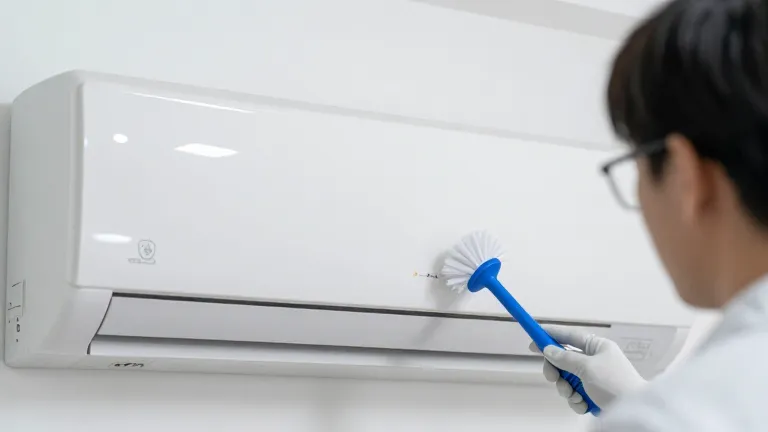
Preventing future Daikin error codes starts with consistent maintenance and mindful usage. By following simple yet effective practices, you can significantly reduce the likelihood of encountering issues that trigger error codes. Regular care ensures optimal performance and extends the lifespan of your Daikin unit.
- Clean or replace air filters every 1-3 months, depending on usage and environmental conditions.
- Check and clean the outdoor unit’s coils and fins to prevent blockages that can reduce efficiency.
- Inspect and maintain refrigerant levels as recommended by Daikin to avoid pressure-related errors.
- Ensure the unit is installed in a well-ventilated area with adequate space for airflow.
Maintenance Tips to Avoid Daikin Errors
Maintenance Tips to Avoid Daikin Errors involve routine checks that prevent common issues. Cleaning or replacing air filters is crucial, as clogged filters can strain the system and lead to error codes. Similarly, keeping the outdoor unit’s coils and fins free from debris ensures proper heat exchange. Regularly checking refrigerant levels also helps prevent pressure imbalances that often trigger errors. These actions are simple but essential for maintaining system health.
Best Practices for Daikin Unit Care
Best Practices for Daikin Unit Care extend beyond basic maintenance to include long-term system health. Ensure the unit is installed correctly, with proper ventilation and clearances around the outdoor and indoor units. Avoid overloading the system by using it within its designed capacity. Staying informed about Daikin’s recommended maintenance schedule allows you to address potential issues before they escalate. Following these practices not only prevents errors but also maximizes the unit’s efficiency and longevity.
Frequently Asked Questions
What should I do if my Daikin unit shows error code 15?
Error code 15 typically indicates a refrigerant leak or low pressure. Check the refrigerant levels and ensure the system is sealed properly. If you are unsure, contact a professional technician.
How can I tell if my Daikin error code is serious?
Serious error codes often involve system failures or safety issues. If the unit stops working or displays codes like 60 or 70, it may require immediate attention. Always prioritize safety and consult a technician if unsure.
Can I fix Daikin error code 55 without a technician?
Error code 55 usually relates to a communication issue between the indoor and outdoor units. Basic checks like ensuring connections are secure may help, but it is recommended to contact a technician for a thorough diagnosis.
Is there a way to reset Daikin error codes without turning off the unit?
Most Daikin units require a power cycle to reset error codes. However, some models have a reset button or a specific sequence to clear codes without shutting down. Refer to the user manual for model-specific instructions.
Final Thoughts
Understanding and addressing Daikin error codes can help maintain system efficiency and prevent costly repairs. Regular maintenance and timely troubleshooting can reduce the risk of serious issues.
If you are unsure about resolving an error code, contacting a qualified Daikin technician is the best course of action. Always refer to the user manual for specific guidance on your model.