
How to Fix Keyboard Typing Wrong Letters or Symbols on Windows
If your Windows keyboard is typing wrong letters or symbols, it can be frustrating and disrupt your workflow. This issue might be caused by incorrect settings, outdated drivers, or software conflicts. The main keyword for this guide is 'How to Fix Keyboard Typing Wrong Letters or Symbols on Windows'. In this article, we'll walk you through practical steps to resolve the problem without requiring advanced technical knowledge.
We'll start by checking your keyboard layout settings, which often play a key role in such issues. Next, we'll explore how to update or troubleshoot keyboard drivers. If the problem persists, we'll look into using built-in diagnostic tools to identify and fix potential hardware or software problems.
Finally, we'll cover steps to check for conflicting applications and how to restore your system if needed. Whether you're dealing with unexpected characters or layout mismatches, these solutions should help you regain control of your keyboard and improve your typing experience.
Check Your Keyboard Layout Settings
Incorrect keyboard layout settings can lead to letters and symbols being typed incorrectly on your Windows PC. Ensuring the correct language and region are selected is a simple yet effective step to resolve many typing errors.
How to Access Keyboard Layout Settings in Windows
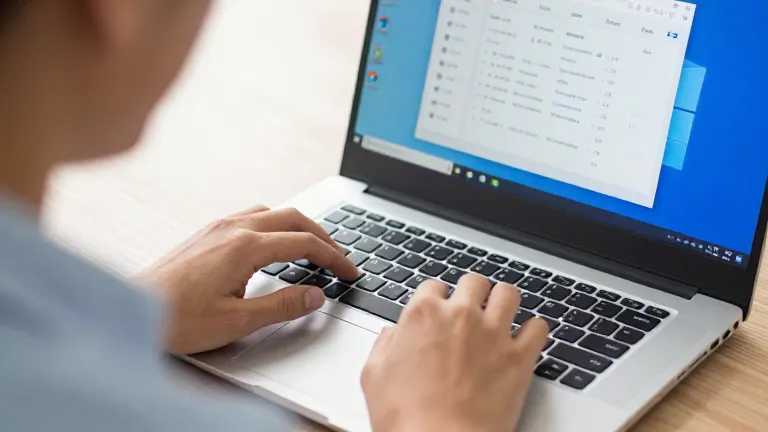
To access keyboard layout settings in Windows, click the Start menu and select the Settings icon. Navigate to the 'Time & Language' section, then click on 'Language'. Here, you'll find the 'Preferred languages' list, which shows the current keyboard layout. If the layout is incorrect, select the language you want to use and click 'Set as default'.
Common Keyboard Layout Mistakes to Avoid
Common mistakes include selecting the wrong keyboard layout, such as using a QWERTY layout when a QWERTZ or AZERTY layout is needed. Also, having multiple languages installed without setting a default can cause unintended layout changes. Always ensure that only the required language is set as the default to avoid confusion and errors.
Scan for Keyboard Driver Issues
Outdated or corrupted keyboard drivers can cause typing errors such as incorrect letters or symbols. Ensuring your keyboard drivers are up to date is a crucial step in resolving these issues. Windows provides tools to update or reinstall drivers, which can correct driver-related problems.
How to Update Keyboard Drivers on Windows
To update keyboard drivers, open Device Manager by right-clicking the Start menu and selecting 'Device Manager'. Expand the 'Keyboards' section and right-click your keyboard device. Choose 'Update driver' and select 'Search automatically for updated driver software'. Windows will check for and install any available updates. If no updates are found, try reinstalling the driver by selecting 'Uninstall device' and then restarting your computer to allow Windows to reinstall the driver automatically.
What to Do If Driver Issues Persist
If the yellow exclamation mark remains or typing issues persist after updating drivers, consider manually checking for driver updates through the manufacturer's website. Visit the support page for your keyboard model and download the latest drivers. Install them following the provided instructions. If the problem continues, try disabling and re-enabling the keyboard device in Device Manager. If all else fails, a clean Windows reinstall may be necessary to resolve persistent driver conflicts.
Use Keyboard Diagnostic Tools
The built-in Windows keyboard diagnostic tool is a valuable resource for identifying and resolving issues with your keyboard. This tool can detect both physical and software-related problems, such as incorrect key presses or misbehaving drivers. Running the diagnostic test is a straightforward process that can help pinpoint the exact cause of the typing errors you're experiencing.
Accessing the Windows Keyboard Diagnostic Tool
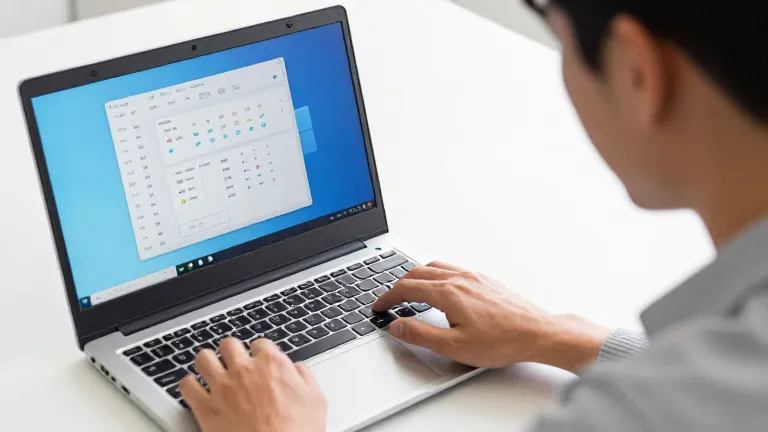
To access the Windows keyboard diagnostic tool, open the Start menu and search for 'keyboard diagnostic tool.' Click on the result to launch the application. Once open, the tool will automatically start testing your keyboard. If any issues are detected, the tool will provide suggestions for resolution, such as recalibrating the keyboard or updating drivers.
Interpreting the Results of a Keyboard Test
After the test completes, the tool will display a summary of its findings. If errors are found, it will list them clearly and may offer options to fix the problem. For example, it might suggest running a repair or checking for driver updates. If no issues are detected, the tool will confirm that your keyboard is functioning correctly. It's important to follow the tool's recommendations to ensure your keyboard operates as intended.
Check for Software or Application Conflicts
Some programs can interfere with keyboard input and cause typing errors. Conflicts often arise when applications use keyboard shortcuts that overlap with standard input functions. Identifying and resolving these conflicts can help restore normal keyboard behavior.
How to Identify Conflicting Applications
To identify conflicting applications, start by closing non-essential programs and observe if the typing issue resolves. This helps isolate whether a specific application is causing the problem. Look for programs that have active keyboard shortcuts, such as text editors, media players, or productivity tools. Use the Task Manager to check which applications are running and temporarily disable them to test for resolution.
Steps to Disable Keyboard Shortcuts in Programs
Disabling keyboard shortcuts in programs can prevent conflicts with standard input. Right-click the application’s icon in the system tray and select 'Options' or 'Preferences' to adjust shortcut settings. Some applications allow you to disable all shortcuts or customize them to avoid overlap. If the issue persists, consider using a third-party tool to manage and block conflicting keyboard shortcuts across multiple programs.
Perform a System Restore or Reset
If the issue started recently, restoring your system to a previous state can help resolve keyboard typing errors. System restore reverts your PC to a stable point before the problem occurred, without affecting personal files. This method is ideal for troubleshooting software-related issues that may interfere with keyboard functionality.

How to Restore Your Windows System
To restore your Windows system, open the Control Panel and navigate to System and Security > System > System Protection. Click 'System Restore' and follow the prompts to select a restore point. Ensure that the restore point is from before the keyboard issue began. The process will reboot your PC and revert system settings, which may fix the problem without affecting your personal data.
When to Consider a System Reset
A system reset can resolve deeper software issues affecting keyboard functionality. This option reinstalls Windows and removes all apps and settings, returning your PC to its original state. It is recommended if keyboard problems persist after trying other solutions. Before proceeding, back up your important files to an external drive or cloud storage to prevent data loss. A system reset is a more drastic measure but can effectively eliminate software conflicts that may be causing the issue.
Frequently Asked Questions
Why is my keyboard typing wrong letters on Windows?
Your keyboard may be typing wrong letters due to incorrect layout settings or driver issues. Check your keyboard layout and update drivers to resolve the problem.
How do I reset my keyboard settings in Windows?
To reset keyboard settings, access the keyboard layout settings and change the layout back to your preferred one. You can also reset settings through the keyboard properties.
What should I do if my keyboard is not working correctly?
If your keyboard is not working correctly, try updating drivers, checking for conflicts, and running diagnostic tools. If the issue persists, consider system restore or reset.
Can a keyboard layout change cause symbols to appear wrong?
Yes, changing the keyboard layout can cause symbols to appear wrong. Ensure your layout settings match your physical keyboard to avoid this issue.
Final Steps and Recommendations
Fixing keyboard issues on Windows often involves checking layout settings, updating drivers, and diagnosing conflicts. A systematic approach helps identify and resolve the root cause.
If you're still experiencing problems after trying these steps, consider a system restore or reset. Always ensure your keyboard settings match your physical keyboard to prevent incorrect input.





