How to Fix Not Working Bluetooth
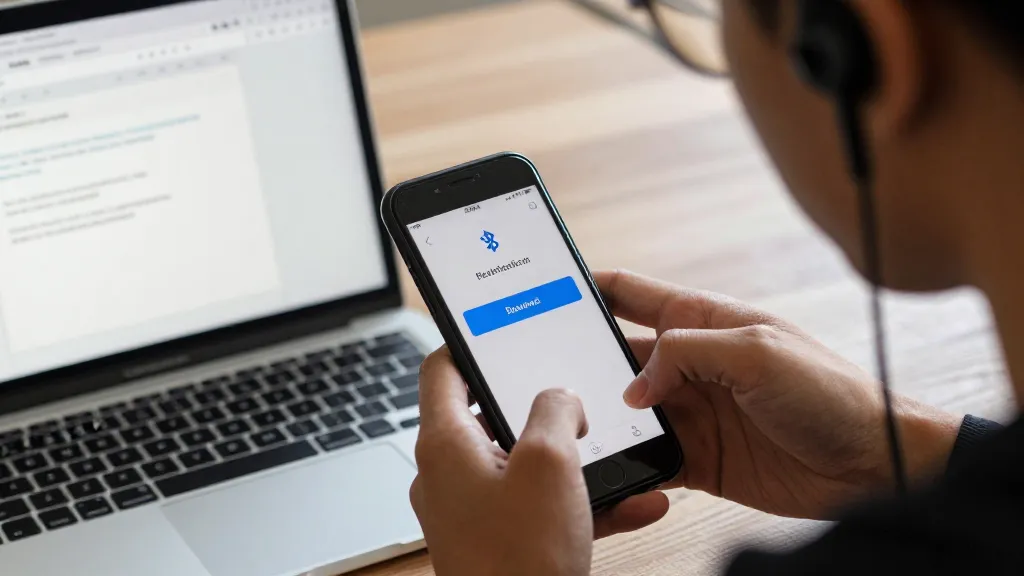
Bluetooth connectivity issues can be frustrating, especially when you're relying on wireless devices like headphones, speakers, or smartwatches. If you're wondering how to fix not working Bluetooth, you're not alone. Many users face this problem, and the solutions often depend on the device and the specific issue. This article provides clear, step-by-step guidance to help you resolve Bluetooth problems on your phone, computer, or other devices.
We'll start with the basics, such as checking Bluetooth settings and restarting your devices, which can often resolve minor glitches. If these steps don't work, we'll move on to more advanced troubleshooting, like updating drivers or using command-line tools. Whether you're a tech-savvy user or a non-expert, these methods are designed to be simple and effective.
By following this guide, you'll gain a better understanding of how Bluetooth works and what steps to take when it fails. From basic checks to advanced fixes, we cover all the essentials to help you get your Bluetooth devices working again without needing professional assistance.
Check Basic Bluetooth Settings
Before diving into more complex solutions, start by verifying that your Bluetooth settings are correctly configured. Many Bluetooth issues stem from simple misconfigurations or overlooked settings. Ensuring that Bluetooth is enabled on your device and that your Bluetooth device is in pairing mode can often resolve connectivity problems without requiring advanced troubleshooting.
Enable Bluetooth on Your Device
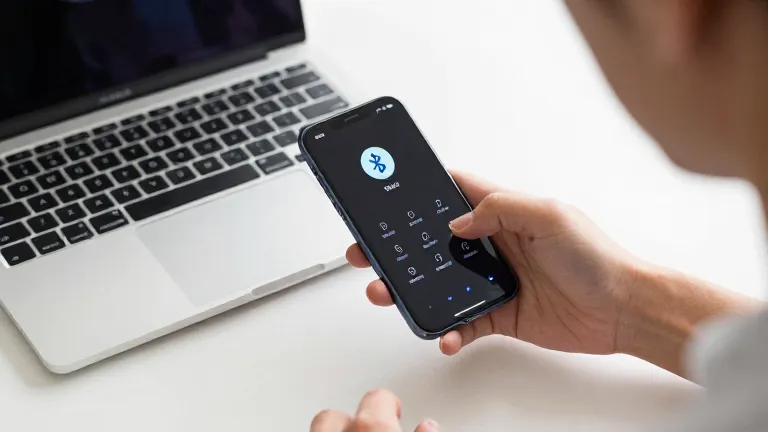
To enable Bluetooth on your device, navigate to the settings menu and locate the Bluetooth option. Toggle the switch to turn it on if it's disabled. On some devices, you may need to manually select the Bluetooth option from the quick settings panel. Once enabled, your device will search for nearby Bluetooth devices, so ensure that your device is visible and discoverable.
Put Bluetooth Device in Pairing Mode
Place your Bluetooth device in pairing mode by referring to its user manual or looking for an on/off switch or button. Typically, this involves holding down a specific button until an indicator light starts blinking or a pairing prompt appears on the device's screen. Once in pairing mode, your device should appear in the list of available Bluetooth devices. If it doesn't show up, try restarting your device to refresh the Bluetooth connection and ensure it detects the device properly.
Restart Your Bluetooth Device and Phone
Restarting your phone and Bluetooth device is a fundamental troubleshooting step that can resolve many connectivity issues. A simple reboot can clear temporary glitches, refresh the Bluetooth stack, and improve the chances of successful pairing.
- Power off and then power on both your phone and Bluetooth device.
- Remove the Bluetooth device from your device's list of paired devices.
- Re-pair the device after restarting.
- Try connecting to a different Bluetooth device to isolate the problem.
Restart Your Phone and Bluetooth Device
Begin by powering off your phone and the Bluetooth device. Wait for about 30 seconds, then turn both devices back on. This process helps clear any temporary software glitches that might be preventing a stable connection. If your device has a power-saving mode, ensure it's disabled during this step.
Forget and Re-Pair the Bluetooth Device
Once both devices are powered on, remove the Bluetooth device from your phone's list of paired devices. This action can resolve lingering connection issues caused by outdated or corrupted pairings. Navigate to your phone's Bluetooth settings, select the device, and choose 'Forget' or 'Remove' to delete the existing pairing. After removing the device, attempt to reconnect it by placing it in pairing mode and following the prompts on your phone. If the problem persists, try connecting to a different Bluetooth device to determine if the issue lies with your phone or the specific Bluetooth device.
Update or Reinstall Bluetooth Drivers
Updating or reinstalling Bluetooth drivers is a critical step in resolving connectivity issues. Ensuring your operating system and drivers are up to date can resolve compatibility problems and improve performance. This section outlines how to update your system and Bluetooth drivers, as well as how to reinstall them if needed.
Update Your Operating System
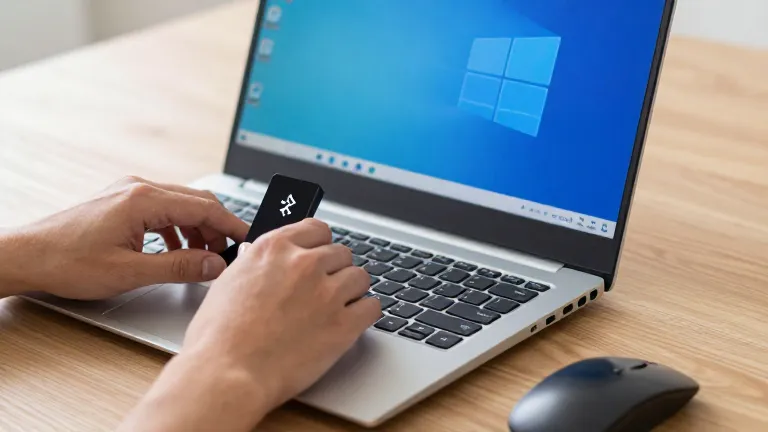
Check for software updates on your phone or computer. On Windows, go to Settings > Update & Security > Windows Update and click Check for Updates. On macOS, open System Preferences > Software Update and install any available updates. These updates often include fixes for Bluetooth-related bugs and improve overall device stability.
Update Bluetooth Drivers on Windows
To update Bluetooth drivers on Windows, open Device Manager, expand the Bluetooth section, right-click on the Bluetooth adapter, and select Update Driver. Choose the option to search automatically for updated drivers. If no updates are found, visit the manufacturer’s website to download the latest drivers manually. For laptops with integrated Bluetooth, ensure the correct driver is installed for your specific model.
If updating drivers doesn’t resolve the issue, consider uninstalling and reinstalling the Bluetooth driver. In Device Manager, right-click the Bluetooth adapter and select Uninstall Device. Restart your computer to allow the system to reinstall the driver automatically. If the problem persists, use manufacturer-specific tools or contact support for further assistance.
Troubleshoot Bluetooth Pairing Issues
Troubleshooting Bluetooth pairing issues often requires a combination of device-specific actions and environmental checks. Resetting your Bluetooth device can resolve connection problems caused by corrupted settings or failed pairings. Additionally, wireless interference from other devices can disrupt Bluetooth signals, so it's important to identify and minimize such sources. Ensuring your device isn't already paired with another device helps avoid conflicts, while using built-in troubleshooting tools can streamline the process.
- Reset Your Bluetooth Device
- Check for Wireless Interference
- Ensure Your Bluetooth Device Is Not Already Paired
- Use the Bluetooth Troubleshooter Tool on Your Computer
Reset Your Bluetooth Device
To reset your Bluetooth device, locate the reset button or use the manufacturer's app to restore factory settings. This process clears stored connections and settings that might be causing pairing issues. Some devices require holding a specific button for several seconds, while others can be reset through their settings menu. Always refer to the device's manual for exact instructions.
Check for Wireless Interference
Wireless interference can significantly impact Bluetooth performance. Common sources include Wi-Fi routers, cordless phones, microwaves, and other Bluetooth devices. To reduce interference, keep your Bluetooth device away from these sources and ensure no other devices are using the same frequency. If possible, switch to a less congested area or channel to improve signal strength and stability.
Advanced Bluetooth Troubleshooting
Advanced Bluetooth troubleshooting involves deeper system-level checks and configurations that can resolve persistent connectivity issues. These steps are particularly useful for users who have exhausted basic troubleshooting methods and are looking for more technical solutions.
Use Command-Line Tools for Bluetooth Scanning
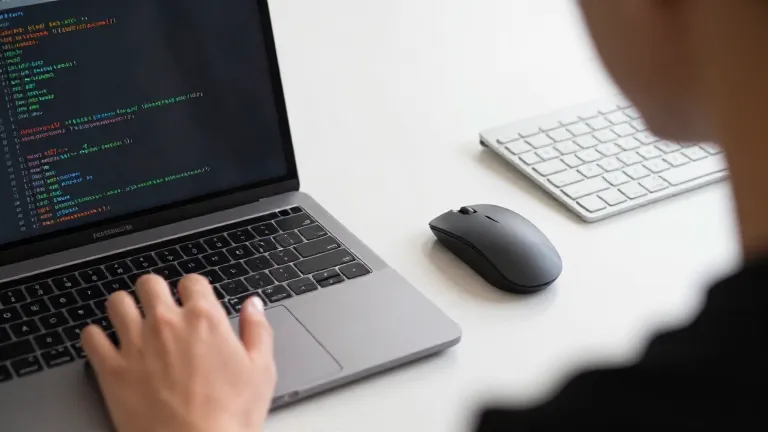
Using command-line tools can provide detailed insights into Bluetooth device scanning and connectivity. On Linux systems, the `hcitool` command can be used to scan for nearby Bluetooth devices. Run `hcitool scan` in the terminal to list all detected devices. This method helps identify if the issue lies with the device discovery process or the connection itself. If no devices appear, it may indicate a hardware or driver problem.
Check Bluetooth Permissions
Bluetooth permissions are critical for proper functionality, especially on mobile and operating systems. Check your device settings to ensure Bluetooth has the necessary permissions to access location data or other required services. On Android, go to Settings > Apps > [Your App] > Permissions and verify Bluetooth and Location are enabled. On Windows, navigate to Settings > Privacy > Bluetooth and confirm that the system is allowed to access Bluetooth features. Incorrect or restricted permissions can prevent devices from connecting or functioning correctly.
Frequently Asked Questions
Why is my Bluetooth not showing up on my phone?
Bluetooth may not appear if it's disabled or the device is not in pairing mode. Ensure Bluetooth is enabled and the device is discoverable. If it still doesn't show up, try restarting your phone and the Bluetooth device.
How do I reset my Bluetooth device?
To reset your Bluetooth device, refer to its manual for specific instructions. Usually, this involves pressing and holding a reset button or using a specific sequence of button presses. After resetting, put the device back in pairing mode and reconnect it.
What should I do if my Bluetooth is not working on Windows?
If Bluetooth is not working on Windows, check if the Bluetooth service is running and update your operating system. If the issue persists, update or reinstall the Bluetooth drivers through Device Manager.
Can I fix Bluetooth issues without a technician?
Yes, many Bluetooth issues can be resolved without a technician by checking basic settings, restarting devices, updating software, and using troubleshooting steps. If these methods fail, it may be necessary to seek professional help.
Final Thoughts
By systematically checking Bluetooth settings, restarting devices, updating software, and troubleshooting pairing issues, most Bluetooth problems can be resolved. If these steps don't work, consider advanced troubleshooting or professional assistance.
If you're experiencing Bluetooth issues, start with basic checks and move to more advanced solutions. Regular maintenance and updates can help prevent future problems. Don't hesitate to seek support if needed.