How to Fix Roku TV Screen Dim or Too Dark Even on Bright Mode
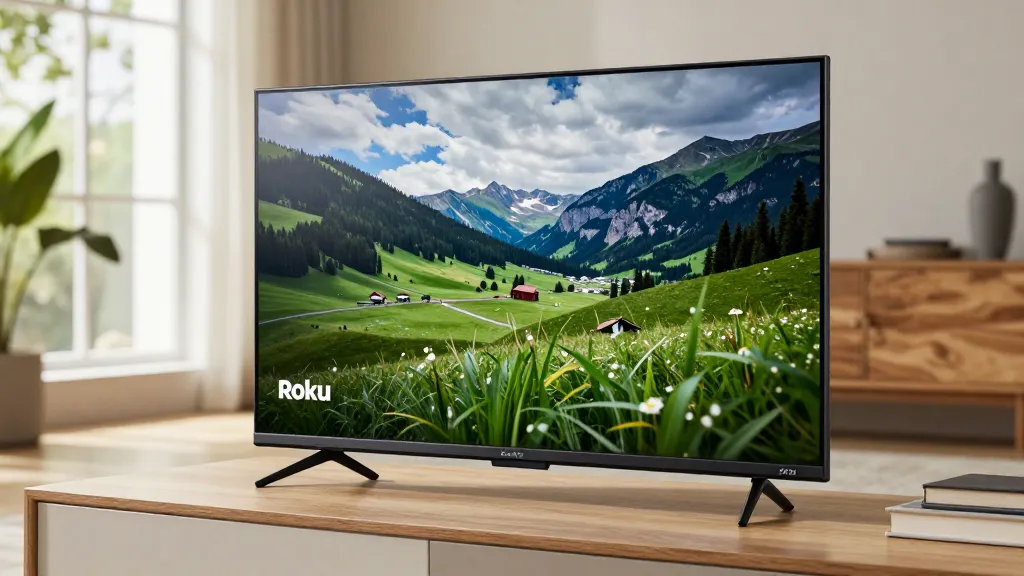
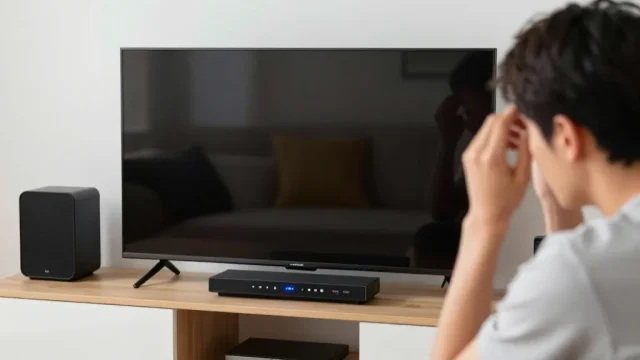
If your Roku TV screen appears dim or too dark, even when Bright Mode is enabled, it can be frustrating to watch your favorite content. Whether you're trying to enjoy a movie or catch up on your favorite show, a dark screen can make it hard to see details and enjoy the viewing experience. This article provides practical solutions to help you adjust your Roku TV's brightness settings and fix a dim screen. We'll guide you through understanding the reasons behind the issue, adjusting brightness settings, and troubleshooting common features that might be affecting your display.
The first step in fixing a dim or too dark Roku TV screen is to understand the factors that might be causing the issue. Environmental lighting conditions and the settings you've chosen, like Bright Mode versus Dark Mode, can significantly impact how your screen appears. By recognizing these influences, you can take more targeted steps to improve visibility.
In this article, we’ll walk you through adjusting brightness and contrast settings, troubleshooting Auto Brightness and Night Light features, and fine-tuning picture settings for optimal brightness. We’ll also offer advanced tips, such as optimizing your TV’s placement and updating its firmware, to help ensure your Roku TV delivers a bright and clear display.
Understanding Why Your Roku TV Screen Appears Dim or Too Dark
A dim or too dark Roku TV screen can be frustrating, especially when Bright Mode is enabled. Understanding the underlying causes is key to resolving the issue effectively. Environmental factors, incorrect settings, and display profiles can all contribute to this problem, and addressing them systematically can restore optimal brightness.
Environmental Lighting Conditions
Environmental lighting conditions play a significant role in how bright your Roku TV appears. Bright rooms can make the screen seem dimmer, while dark environments may enhance the contrast, making the screen look overly dark. Adjusting the ambient lighting or using a dimmable light source can help balance the visual experience. Additionally, glare from windows or other reflective surfaces can also affect perceived brightness, so positioning the TV away from direct light sources is recommended.
Roku TV Bright Mode Vs. Dark Mode
Roku TV offers Bright Mode to increase screen brightness for better visibility in well-lit environments. However, this setting can be overridden by other display profiles, such as Dark Mode, which prioritizes contrast and low-light performance. Some users may have accidentally switched to Dark Mode or other low-light display profiles, causing the screen to appear dimmer than intended. It's important to check the display settings and ensure that Bright Mode is active, especially when viewing content in bright environments.
How to Adjust Brightness Settings on Your Roku TV
Adjusting the brightness and contrast settings on your Roku TV is a fundamental step in resolving a dim or too dark screen. These controls allow you to fine-tune the overall light output and the visibility of darker areas, making the image more comfortable for your viewing environment.
- Navigate to the Picture Settings menu to access brightness and contrast controls.
- Adjust the Brightness slider to increase the screen's overall light output.
- Use the Contrast setting to improve the visibility of darker areas on the screen.
- Save your changes and test the adjustments with different content types.
Accessing Picture Settings
To access the Picture Settings menu, press the Home button on your Roku remote, then select Settings. From the Settings menu, choose Picture. This menu provides various options for adjusting your TV's display, including Brightness and Contrast settings.
Adjusting Brightness and Contrast
Once in the Picture Settings menu, locate the Brightness slider. Use the remote to move the slider to the right to increase the screen's overall light output. This adjustment helps make the image appear brighter and more vibrant. For better visibility of darker areas, adjust the Contrast setting. Moving the Contrast slider to the right enhances the difference between light and dark areas, making details more pronounced. Experiment with these settings to find the optimal balance for your room and content.
Troubleshooting Auto Brightness and Night Light Features
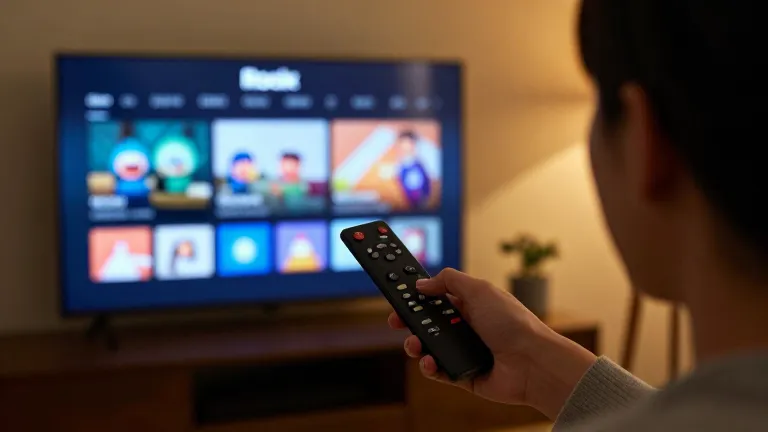
Auto brightness and Night Light mode are designed to enhance viewing comfort, but they can sometimes cause the screen to appear dim or too dark. These features automatically adjust brightness based on ambient light or time of day, which might not align with your preferences. Disabling these settings can help you achieve a more consistent and personalized brightness level.
Turning Off Auto Brightness
Auto brightness adjusts the screen's brightness in response to environmental light conditions. While this can be helpful, it may reduce brightness in low-light environments, making the screen appear too dark. To turn off Auto Brightness, go to Settings > System > Display & Sound > Brightness, and toggle off the 'Auto Brightness' option. This will allow you to manually control the brightness level based on your specific needs.
Disabling Night Light Mode
Night Light mode reduces screen brightness and warms the color temperature to make it easier on the eyes in the dark. However, this can sometimes make the screen appear dimmer than desired. To disable Night Light mode, navigate to Settings > System > Display & Sound > Night Light, and turn it off. This ensures the screen maintains its intended brightness without automatic adjustments.
Checking and Adjusting Picture Settings for Optimal Brightness
Fine-tuning picture settings is a key step in resolving a dim or too dark Roku TV screen. By adjusting specific parameters, you can enhance visibility and achieve the desired brightness level without overcompensating. This process involves methodical changes to brightness, contrast, and color settings, which can significantly impact how light is rendered on your screen.
- Access the Picture Settings menu through the Roku TV settings to adjust brightness, contrast, and color settings.
- Experiment with different brightness levels to find a balance between visibility and comfort.
- Reduce contrast if the image appears overly dark, as high contrast can make the screen feel dimmer.
- Test color settings to ensure they do not affect brightness or contrast negatively.
Fine-Tuning Picture Settings
Fine-tuning picture settings involves navigating to the Picture Settings menu and adjusting the brightness, contrast, and color parameters. Brightness controls how light is emitted from the screen, while contrast affects the difference between light and dark areas. Adjusting these settings individually can help you find the perfect balance for your viewing environment.
HDR and Brightness Interactions
HDR settings can significantly influence screen brightness. When enabled, HDR can make the screen appear brighter, but it may also cause over-saturation or an unnatural glow. If you notice the screen is too dark, try disabling HDR to see if it improves visibility. Conversely, if the screen feels overly bright, re-enabling HDR might help achieve a more natural balance.
Advanced Tips for Fixing a Dim or Too Dark Roku TV Screen
Advanced techniques can help resolve persistent brightness issues on your Roku TV. These methods focus on long-term adjustments and system-level solutions to ensure consistent performance.
Environmental and Placement Tips
Placing your Roku TV in a well-lit room can prevent the device from overcompensating for low ambient light. Brightness settings often adjust based on environmental conditions, so a consistently lit space reduces the need for extreme screen brightness. Avoid positioning the TV in dark corners or behind heavy curtains, as this can skew brightness calibration and make the screen appear dimmer than it should be.
Firmware Updates and Factory Reset
Updating the Roku TV's firmware can address software-related brightness issues. Go to Settings > System > System Information to check for available updates. A firmware update may resolve bugs or improve the TV's ability to manage brightness settings effectively. If brightness problems persist, consider performing a factory reset. This will restore default settings and can eliminate any misconfigurations that might be affecting display performance.
Frequently Asked Questions
Why is my Roku TV screen still dark even when Bright Mode is on?
Even with Bright Mode enabled, environmental lighting and screen calibration can affect perceived brightness. Ensure all automatic brightness settings are disabled and manually adjust brightness and contrast settings for optimal visibility.
How do I turn off auto brightness on my Roku TV?
Navigate to Settings > Picture > Brightness and disable the Auto Brightness option. This prevents the TV from adjusting brightness based on ambient light conditions.
Can I manually adjust the brightness on my Roku TV?
Yes, manually adjusting brightness is possible through the Picture settings menu. Use the Brightness and Contrast sliders to fine-tune your display for better visibility.
What should I do if my Roku TV screen remains too dark after adjusting settings?
If adjustments don't resolve the issue, check for firmware updates or consider a factory reset. Additionally, ensure your TV is placed in a well-lit environment and avoid direct glare from light sources.
Final Thoughts
By adjusting brightness settings, disabling auto-brightness, and fine-tuning picture options, you can significantly improve your Roku TV's visibility. If issues persist, consider firmware updates or resetting the TV to factory settings.
Regularly check and update your Roku TV settings to maintain optimal display performance. For the best viewing experience, ensure your environment is well-lit and your TV is positioned for minimal glare.