How to Fix Slow Mobile Hotspot Speed on Laptop
If you're using your mobile hotspot on a laptop and experiencing slow internet speeds, you're not alone. Many users rely on mobile hotspots for connectivity on the go, but performance issues can quickly become frustrating. The main keyword here is How to Fix Mobile Hotspot Slow Internet Speed on Laptop, and this article will guide you through practical steps to resolve the issue. Whether you're working from home or on the move, a reliable connection is essential. By following these solutions, you can improve your mobile hotspot performance and regain control over your internet speed. Let's dive into the first step: checking your mobile data connection.
Check Your Mobile Data Connection
A weak mobile data connection is often the root cause of slow hotspot speeds. Before troubleshooting further, ensure your phone has a strong signal and enough data remaining. A poor connection can result in inconsistent or slow internet performance for your laptop, so addressing this issue first is crucial.
Verify Signal Strength and Data Usage
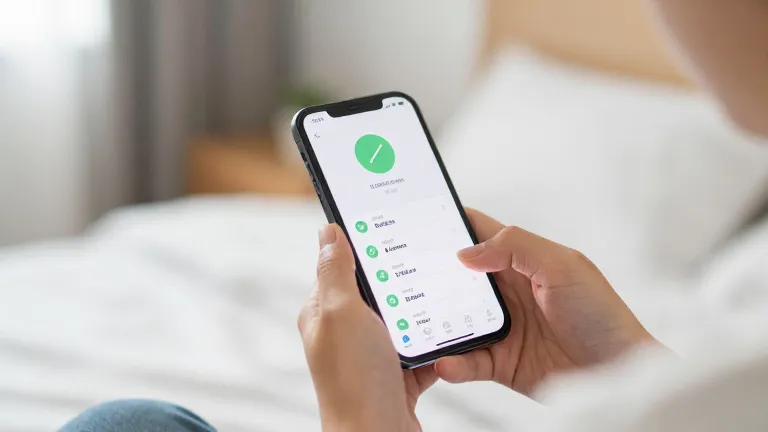
Check your phone's signal strength by looking at the network icon in the status bar. A full signal bar indicates a strong connection, while one or two bars may suggest a weak or unstable link. If the signal is weak, move to an area with better reception or use a signal booster to enhance the connection. Also, monitor your data usage through your carrier's app or settings to ensure you haven't exceeded your monthly limit, which can throttle your speed.
Restart Your Phone and Hotspot
Restarting your phone and hotspot can resolve temporary connectivity issues. Power off your phone for 30 seconds and then turn it back on to refresh the network settings. After restarting, reconnect your laptop to the hotspot to see if the speed improves. If the problem persists, try restarting your laptop as well. This process can clear minor software glitches and restore optimal performance for your mobile hotspot.
Optimize Your Laptop's Network Settings
Optimizing your laptop's network settings can significantly improve the performance of your mobile hotspot. Ensuring your device is connected to the right network and keeping your drivers up to date are essential steps to enhance speed and stability.
Ensure Correct Hotspot Connection
First, confirm that your laptop is connected to the correct mobile hotspot. Sometimes, devices may connect to multiple networks, especially if you've previously joined other hotspots. Open your laptop's network settings and review the list of available networks to ensure you're connected to the intended hotspot. If you're unsure, disconnect and reconnect to avoid any accidental connections to slower or less stable networks.
Update Network Drivers
Next, update your laptop's network drivers to ensure compatibility and performance. Outdated drivers can cause connectivity issues or reduce speed. Access your device manager or the manufacturer's software to check for driver updates. If an update is available, install it and restart your laptop to apply the changes. Regularly updating drivers helps maintain optimal performance and can resolve bugs or conflicts that affect your mobile hotspot connection.
Manage Data Usage and Limits
Managing data usage and limits is crucial when experiencing slow mobile hotspot speeds on your laptop. Exceeding your data plan or using bandwidth-heavy activities can significantly impact connection performance. By actively monitoring and controlling data consumption, you can maintain a stable and faster connection.
Monitor Data Usage
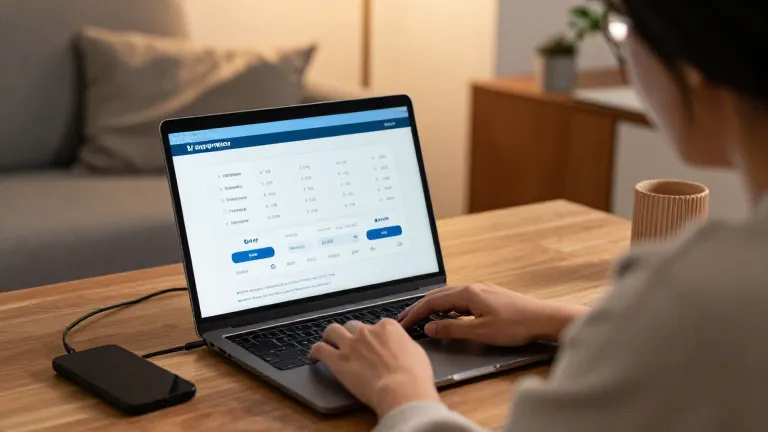
Check if your mobile data plan is nearing its limit. Most carriers provide tools within their apps or online portals to track data usage in real-time. If you're close to or have exceeded your limit, your internet speed may be throttled, leading to slower hotspot performance. Consider upgrading to a higher-tier plan if you frequently use mobile data for work or home activities.
Enable Data-Saving Features
Enable data-saving features on your phone to reduce unnecessary background data usage. Many smartphones offer settings to limit app updates, disable automatic syncing, and restrict background data for non-essential apps. These features help preserve bandwidth and prevent your hotspot from slowing down due to high data consumption. Additionally, prioritize downloading large files during off-peak hours or via Wi-Fi to avoid using up your data quota.
Try Tethering via USB Instead of WiFi
Switching from WiFi to USB tethering can significantly improve mobile hotspot performance on your laptop. This method uses a direct data connection between your phone and laptop, bypassing potential WiFi interference and reducing latency.
- Connect your phone to your laptop using a USB cable.
- Enable USB tethering on your phone's settings.
- Check for USB port issues or damaged cables.
- Test tethering with a different USB cable and port.
Set Up USB Tethering
To set up USB tethering, connect your phone to your laptop using a USB cable. Ensure the cable is fully inserted into both devices. On your phone, navigate to the network or mobile hotspot settings and enable USB tethering. This will establish a direct data connection between your phone and laptop, allowing your laptop to access the internet through your phone's data plan.
Troubleshoot USB Connection
If your laptop isn't connecting via USB tethering, check for USB port issues or damaged cables. Try using a different USB cable and port to rule out hardware problems. Also, ensure that your phone's USB settings are configured correctly for tethering. If your laptop still doesn't recognize the connection, restart both devices and attempt the process again.
Advanced Troubleshooting Tips
If basic troubleshooting steps don't resolve slow mobile hotspot speeds, advanced actions can help restore optimal performance. These include resetting network settings, restarting devices, and ensuring both your phone and laptop have the latest software updates.
Reset Network Settings
Resetting your phone's network settings can clear cached data and fix connectivity issues. On Android, go to Settings > System > Reset > Reset Network Settings. For iOS, navigate to Settings > General > Reset > Reset Network Settings. This action will remove saved Wi-Fi passwords and cellular settings, so you'll need to re-enter them afterward.
Update Software and Firmware
Keeping your phone and laptop updated ensures compatibility and fixes bugs that may affect hotspot performance. Check for updates on your phone by going to Settings > System > Software Update. On your laptop, check for Windows updates via Settings > Update & Security. Firmware updates for your phone's carrier or hotspot feature may also be available through the manufacturer's website.
Frequently Asked Questions
Why is my mobile hotspot so slow on my laptop?
Slow mobile hotspot speed can be caused by weak signal strength, data limits, or interference. Check your phone's signal and data usage, and consider switching to USB tethering for better performance.
How can I speed up my mobile hotspot connection?
To improve speed, ensure a strong signal, update drivers, and use USB tethering. Avoid heavy data usage and enable data-saving features on your phone.
Is there a way to tether via USB instead of WiFi?
Yes, USB tethering is a reliable alternative. Connect your laptop to your phone via USB and enable tethering in your phone's settings. This often provides faster and more stable performance.
What should I do if my mobile hotspot data is limited?
Monitor your data usage through your carrier's app or website. Enable data-saving features and avoid streaming or downloads when near the limit.
Final Tips for Better Hotspot Performance
Fixing slow mobile hotspot speed requires a combination of checking signal strength, optimizing settings, and using alternative tethering methods. Regularly updating software and managing data usage can significantly improve performance.
Start by verifying your phone's signal and data limits, then try USB tethering for a more stable connection. If issues persist, reset network settings or update firmware for optimal results.