How to Fix VPN Connected But Websites Won’t Load
You're connected to a VPN, but websites still won't load. This frustrating situation can disrupt your work, streaming, or online shopping. A stable internet connection is crucial, and when it fails despite being connected, it's time to troubleshoot. This article provides practical solutions to help you restore access to websites while using a VPN. We'll walk you through the most common causes and fixes, from checking your network settings to adjusting DNS and protocol preferences. Whether you're a tech-savvy user or a busy professional, these steps can help you get back online quickly and efficiently.
Understanding Why Your VPN Is Connected But Websites Won't Load
A working VPN connection does not always mean your internet is fully functional. While the 'connected' status indicates the encryption tunnel is active, it does not guarantee that all websites can be accessed. This can lead to confusion, especially when critical services like email, streaming, or online shopping become inaccessible. Understanding the difference between a 'connected' and 'working' state is essential for effective troubleshooting.
What Does 'Connected' Mean in a VPN Context?
In a VPN context, 'connected' means the software has successfully established a secure tunnel to the server. This typically involves authentication, encryption, and routing traffic through the selected server. However, this state does not automatically mean that your internet connection is working as expected. The VPN may be active, but underlying network issues—such as DNS misconfigurations or firewall rules—can prevent websites from loading.
Why Is My Internet Still Not Working Even Though I'm Connected?
Even if your VPN is connected, other factors can disrupt internet access. These include DNS leaks, which redirect traffic to incorrect servers, or misconfigured protocol settings that block certain websites. Additionally, network restrictions—such as those imposed by your ISP or employer—can interfere with the VPN connection. It's important to start with basic network checks, like verifying internet connectivity without the VPN, before moving on to more advanced troubleshooting steps.
Check Your Basic Network Settings First
Before diving into complex VPN troubleshooting, it's essential to confirm that your internet connection is functioning properly without the VPN. Many issues can be resolved simply by ensuring your device has a stable and working connection to the internet.
- Ensure your device is connected to the internet without the VPN active.
- Verify that your router or modem is functioning correctly and not blocking traffic.
- Confirm that no firewall or antivirus software is interfering with the connection.
- Try rebooting your device and router to resolve temporary glitches.
Verify Your Internet Works Without the VPN
Start by disabling your VPN and checking if you can access websites normally. If your internet works without the VPN, the issue is likely related to the connection settings or the VPN itself. This step helps isolate whether the problem is with your network or the VPN service.
Check Router and Modem Status
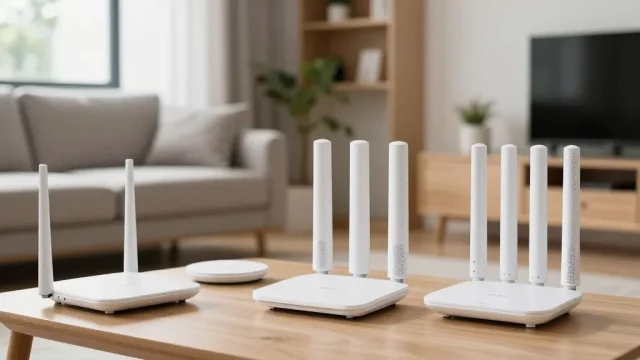
Next, ensure your router and modem are functioning correctly. Restarting these devices can resolve temporary glitches that may be blocking traffic. If your router is malfunctioning or has a firmware issue, it could prevent websites from loading even when the VPN is connected. Also, check if any parental controls or traffic filtering features are enabled on your router, as these can sometimes interfere with connectivity.
Fix DNS Leaks and Adjust DNS Settings
DNS leaks can disrupt your ability to access websites even when your VPN is connected, often causing incorrect or failed connections. These leaks occur when your device bypasses the secure DNS settings provided by your VPN, potentially exposing your data and routing traffic through unsecured servers. Addressing DNS leaks is a critical step in resolving connectivity issues and ensuring your online activity remains protected.
What Is a DNS Leak and How Does It Affect Your Connection?
A DNS leak happens when your device sends domain name requests to an unsecured DNS server instead of the one configured by your VPN. This can lead to websites loading incorrectly or not at all, as the DNS resolution may not route traffic through the encrypted tunnel. DNS leaks can also compromise your privacy by exposing your browsing history to third parties.
How to Change DNS Settings on Windows, macOS, and Android
To prevent DNS leaks, configure your device to use a secure DNS provider like Google DNS (8.8.8.8) or Cloudflare DNS (1.1.1.1). These services are known for their reliability and privacy protections, ensuring that your DNS requests are encrypted and routed securely. On Windows, macOS, and Android, you can manually set DNS preferences in network settings or enable automatic configuration to ensure your device always uses trusted DNS servers.
Change Your VPN Protocol to Improve Stability
Changing your VPN protocol can significantly impact your connection's stability and speed. Different protocols offer varying levels of security, performance, and compatibility, so selecting the right one is crucial for a seamless browsing experience.
| Protocol | Security | Speed | Compatibility | Best For |
|---|---|---|---|---|
| OpenVPN | High | Medium | Wide | Balanced security and speed |
| IKEv2 | High | High | Limited | Mobile users and stability |
| WireGuard | High | Very High | Wide | Fast and modern connections |
| SSTP | High | Medium | Limited | Firewall bypass and secure access |
| L2TP/IPsec | High | Medium | Limited | Strong security for sensitive data |
Common VPN Protocols and Their Pros and Cons
OpenVPN is a versatile protocol known for its strong security and ability to bypass firewalls. It uses TCP or UDP and is compatible with most operating systems. However, it may not be as fast as newer protocols like WireGuard. IKEv2 is ideal for mobile users due to its stability and quick reconnection features. It offers high security but has limited compatibility, especially on older devices. WireGuard is the fastest and most modern protocol, offering excellent security with minimal overhead. It is gaining popularity but may not be supported on all platforms.
How to Change Your VPN Protocol Settings
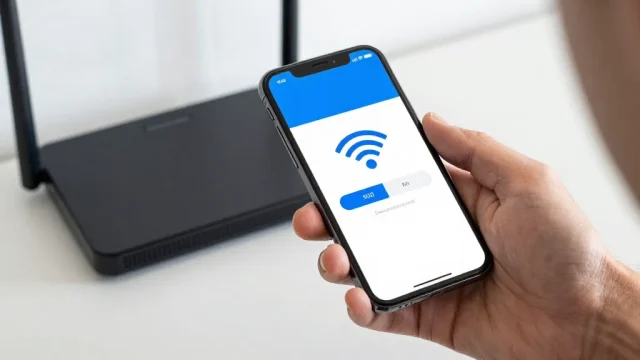
To change your VPN protocol, access your VPN provider's settings and look for the protocol option. OpenVPN is often the default, but you can switch to IKEv2 or WireGuard if available. Some providers allow you to test different protocols to find the best one for your needs. Always ensure that the protocol you choose is supported by your operating system and device. If you're unsure which protocol to use, start with OpenVPN for a reliable balance of security and speed.
Advanced Fixes for Persistent Issues
If your VPN is connected but websites still won't load, you may need to take more advanced steps to resolve the issue. This section covers strategies for users who have exhausted basic troubleshooting methods and are still facing persistent connectivity problems.

When to Switch VPN Providers or Servers
If the problem persists despite trying standard fixes, consider switching to a different VPN provider or server. Some services may have technical limitations, or certain servers might be overloaded or geographically restricted. Try connecting to a different server in the same region or switch to a provider with a better reputation for stability and speed. Additionally, some users find that premium services offer better performance and fewer connectivity issues than free alternatives.
How to Configure Split Tunneling on Your Device
Split tunneling allows you to route specific traffic through the VPN while letting other traffic bypass it. This can be useful if certain websites or services are blocked by the VPN or if you need to access local resources. To configure split tunneling, check your VPN provider's settings or consult your device's network preferences. On Windows, you can use the 'Split Tunneling' option in the advanced settings of the VPN connection. On macOS, this is typically managed through the network preferences under the 'Advanced' tab. Ensure that only the necessary apps or services are routed through the tunnel to avoid conflicts.
Frequently Asked Questions
Why can't I access certain websites even though my VPN is connected?
Even with a connected VPN, specific websites may be blocked due to DNS leaks, firewall rules, or regional restrictions. Check your DNS settings and ensure the correct server is selected.
How do I know if my DNS settings are causing the issue?
DNS leaks can be detected by checking your public IP address or using online DNS leak test tools. If your IP doesn't match your ISP's, a DNS leak might be the cause.
What should I do if changing the protocol doesn't fix the problem?
If changing the protocol doesn't resolve the issue, consider switching servers or providers. Some websites may be blocked by specific servers, so trying alternatives can help.
Is it possible that my ISP is blocking my VPN connection?
Yes, some ISPs block known VPN traffic. Try using obfsproxy or a different protocol to bypass such restrictions and maintain a stable connection.
Final Steps for a Stable Connection
Fixing a VPN connection that doesn't load websites involves checking DNS settings, protocols, and network stability. Start with basic troubleshooting before moving to advanced steps.
If issues persist, consider switching servers or providers. Always ensure your DNS and protocol settings are optimised for a smooth online experience.