How to Read and Fix Furnace Error Codes
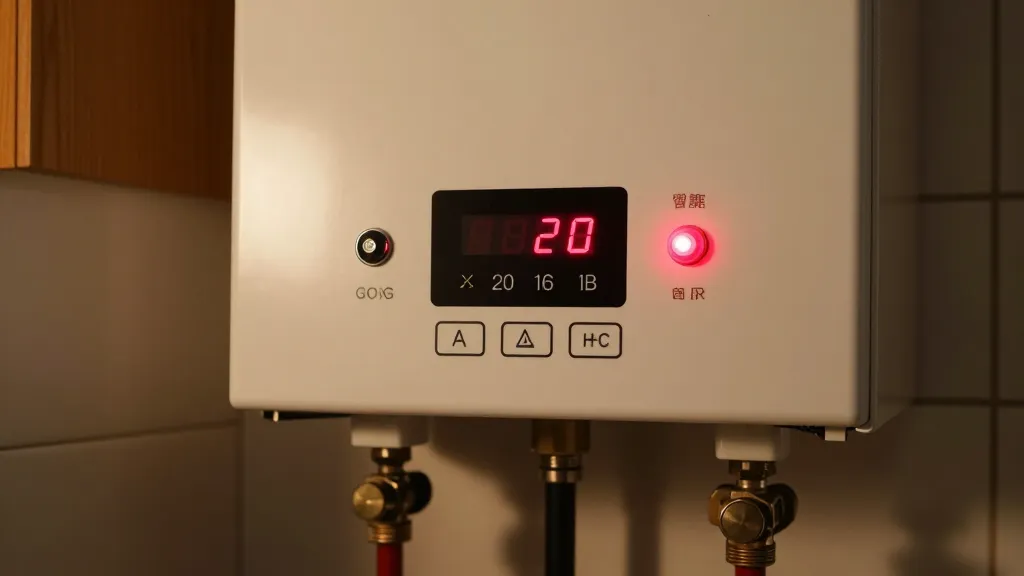
Furnace error codes can be a homeowner’s worst nightmare, leaving you without heat and unsure of how to proceed. If your furnace suddenly stops working, the first thing to check is the error codes—these digital messages can save you time and money by pointing you in the right direction. Understanding furnace error codes meaning is key to troubleshooting and resolving issues without calling a professional. Most modern furnaces have a small red light or display that flashes a code, indicating the problem at hand.
This article guides you through the process of locating and interpreting furnace error codes. You’ll learn where to find these codes, what they represent, and how to decode them for quick action. Whether you’re dealing with a simple issue or a more complex problem, knowing how to read furnace error codes can help you take control of your heating system.
We’ll also cover common error codes like 11, 23, and 33, along with practical solutions for each. However, it’s important to know when to seek professional help to ensure your safety and prevent further damage. With the right knowledge, you can confidently tackle furnace issues and keep your home warm all winter long.
Understanding Furnace Error Codes
Furnace error codes are essential tools for identifying and resolving issues with your heating system. These codes serve as visual indicators of underlying problems, allowing homeowners to understand what is wrong with their furnace without needing to call a professional immediately. Modern furnaces use LED lights or digital displays to show these codes, making it easier than ever to diagnose common malfunctions. By learning how to interpret these codes, you can take the first step toward fixing the issue and restoring warmth to your home.
Where to Find Furnace Error Codes
Finding furnace error codes typically involves locating the small red light on the control board, which is often hidden behind the lower door. This light flashes a sequence of numbers or symbols that correspond to specific problems. Some furnaces may have a sight glass on the door, allowing you to view the code without opening the unit, while others require you to remove the door to access the light. The control board also stores the last 10 error codes, ensuring you can refer to them even if there is a power loss.
What Furnace Error Codes Represent
Each furnace error code represents a particular issue within the heating system, ranging from minor malfunctions to more serious safety concerns. These codes are designed to help users quickly identify the root cause of the problem, such as a faulty limit switch, low gas pressure, or a flame rollout switch issue. Understanding what each code means can save time and prevent unnecessary service calls. By referring to the code, homeowners can determine whether the problem can be fixed independently or if professional assistance is needed.
How to Locate and Read Furnace Error Codes
Locating and reading furnace error codes is the first step in diagnosing and resolving furnace issues. Most modern furnaces have a control board that displays error codes through a small LED light or digital screen. Understanding where to find these codes and how to interpret them can save time and prevent unnecessary service calls.
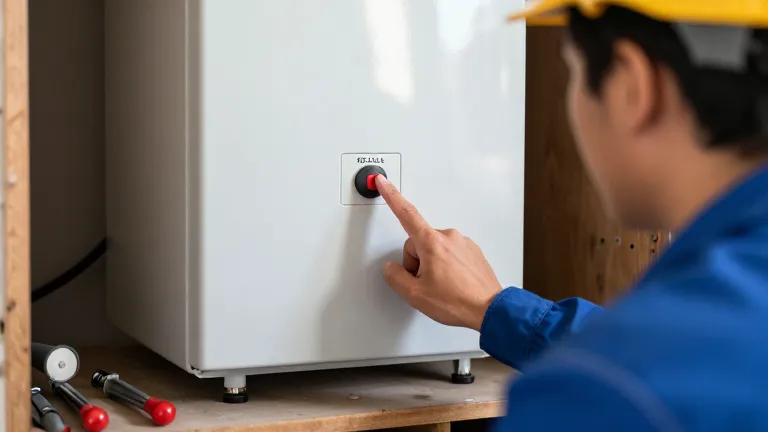
- Locate the control board in your furnace, which is typically found behind the lower panel. The control board is often positioned near the blower and is accessible by removing the lower door. Some furnaces have a sight glass on the door to view the LED light without opening the unit.
- Identify the LED light or digital display that shows the error code. This light is usually located on the control board and may be labeled as 'RECALL' or have a small button for retrieving stored codes. The light may turn off when the lower door is opened due to a safety switch, so it's important to check the stored codes if the light is not visible.
- Note the code and its flashing pattern to determine the issue. Error codes typically flash in a specific sequence, and the number of flashes corresponds to the code. For example, a code that flashes three times may represent a different issue than one that flashes four times. Refer to the furnace manual or online resources to match the code to its meaning.
- Record the code and its flashing pattern for reference. If the code is not immediately recognizable, write it down and consult a furnace manual or a reliable online resource. This information will be useful when contacting a professional technician or when performing further troubleshooting.
Finding the Error Code Light
Finding the error code light requires locating the control board, which is often behind the lower panel of the furnace. This panel may be accessible by removing a door or cover. Some furnaces have a sight glass on the door, allowing you to view the LED light without opening the unit. If your furnace does not have a sight glass, you'll need to open the lower panel to access the light.
Deciphering the Code Pattern
Deciphering the code pattern involves observing the flashing sequence of the LED light. Most furnaces use a specific number of flashes to represent different error codes. For instance, a code that flashes three times may indicate a limit switch failure, while four flashes could signal a low gas pressure issue. If the code is not immediately recognizable, refer to the furnace manual or an online resource that provides code definitions. The control board may also store the last 10 error codes, even if there is a loss of power.
Common Furnace Error Codes and Their Meanings
Understanding common furnace error codes is essential for homeowners and renters who want to identify and address potential issues. Each code corresponds to a specific problem, helping you determine whether you can fix the issue yourself or need professional assistance. Familiarizing yourself with these codes can save time and prevent further damage to your heating system.
- Error Code 11: Limit Switch Failure
- Error Code 23: Low Gas Pressure
- Error Code 33: Flame Rollout Switch
- Other Common Error Codes
Error Code 11: Limit Switch Failure
Error Code 11 typically indicates a limit switch failure. The limit switch is a safety device that monitors the temperature inside the furnace's heat exchanger. If it fails, it can prevent the furnace from operating properly, which could lead to overheating. This code often appears when the furnace shuts down unexpectedly or fails to ignite. It's important to address this issue promptly, as it can pose a fire hazard if left unresolved.
Error Code 23: Low Gas Pressure
Error Code 23 is associated with low gas pressure. This code may appear if the gas supply to the furnace is insufficient, which can cause the burner to fail to ignite or operate inefficiently. Low gas pressure can result from a variety of factors, including a clogged gas line, a faulty gas valve, or a problem with the gas meter. Before attempting any repairs, it's crucial to ensure the gas supply is safe and properly regulated.
Error Code 33: Flame Rollout Switch
Error Code 33 usually signals a problem with the flame rollout switch. This switch detects whether the flame has properly ignited and is burning correctly. If the switch fails to detect the flame, it can trigger an emergency shutdown to prevent overheating or a potential fire. A faulty flame rollout switch may be caused by a loose connection, a damaged switch, or an issue with the gas supply. Checking the switch and its connections is a good first step in troubleshooting this issue.
How to Fix Common Furnace Error Code Issues
Once you've identified a furnace error code, the next step is to address the underlying issue. While some problems can be resolved with simple adjustments, others require careful inspection or professional intervention. Here’s how to tackle the most common furnace error codes.
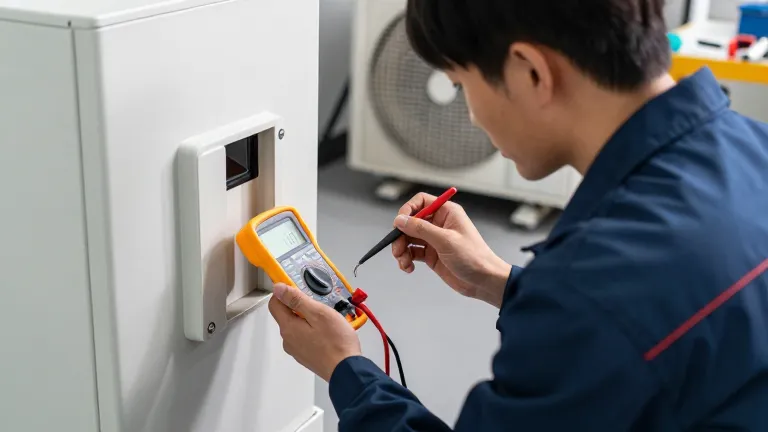
- Check the limit switch for obstructions.
- Ensure the gas supply is adequate and the pressure is correct.
- Inspect the flame rollout switch and ensure it is clear of debris.
Fixing Error Code 11
To fix Error Code 11, which indicates a limit switch failure, start by locating the limit switch. This switch is typically mounted near the heat exchanger and is designed to shut off the furnace if it overheats. First, turn off the power to the furnace at the circuit breaker to ensure safety. Next, carefully inspect the switch and the surrounding area for any obstructions, such as dust, dirt, or debris that may be preventing it from functioning properly. If you find any blockages, gently clean them away using a soft brush or compressed air. After cleaning, restore power and monitor the furnace to see if the issue resolves.
Fixing Error Code 23
Error Code 23, related to low gas pressure, can be addressed by checking the gas supply and pressure. Begin by verifying that the gas valve is fully open and that there are no leaks in the gas line. A low gas pressure can also result from a faulty pressure regulator or a partially closed gas valve. Use a manometer to measure the gas pressure and compare it to the manufacturer's specifications. If the pressure is too low, you may need to adjust the regulator or consult a professional to ensure the gas supply is adequate and the pressure is within the correct range.
Fixing Error Code 33
For Error Code 33, which points to a flame rollout switch issue, inspect the switch and its surroundings for debris or blockages. The flame rollout switch is designed to detect if the flame has rolled out of the burner area, which can be a safety hazard. Locate the switch, usually near the burner assembly, and check for any buildup of dust or soot that may interfere with its operation. Use a soft brush or compressed air to clean the switch and surrounding area. If the switch is damaged or not functioning correctly, it may need to be replaced. Always ensure the furnace is powered off before attempting any repairs to avoid electrical hazards.
When to Call a Professional for Furnace Issues
Knowing when to call a professional is just as important as understanding your furnace error codes. Some issues require specialized tools, expertise, and safety precautions that you cannot safely handle on your own. Always prioritize safety, especially with gas-related problems, and don’t hesitate to seek professional help if you’re unsure about the cause or the fix.

Safety First: When to Seek Professional Help
Certain error codes indicate serious issues that require a professional HVAC technician. For example, gas-related errors or those involving the flame rollout switch should never be addressed without professional assistance. These problems can pose significant risks, including gas leaks, carbon monoxide buildup, or electrical hazards. Attempting to fix them yourself could lead to further damage or safety risks. Always contact a licensed technician if the error code relates to gas, combustion, or system safety.
Preventative Maintenance Tips
Regular preventative maintenance can help avoid many furnace issues before they occur. A professional HVAC technician can inspect your system, clean components, check for wear and tear, and ensure everything is functioning safely and efficiently. Scheduling annual maintenance can prevent minor problems from turning into costly repairs. Additionally, keeping an eye on your furnace’s error codes and acting quickly when they appear can save you time, money, and unnecessary stress. By staying proactive, you can keep your heating system running smoothly for years to come.
Frequently Asked Questions
What should I do if my furnace error code is not clear?
If your furnace error code is unclear, consult an HVAC technician for accurate diagnosis. Some codes may require specialized tools or knowledge to interpret correctly.
Can I fix a furnace error code without calling a technician?
Simple issues like dirty filters or tripped breakers can often be fixed without a technician. However, more complex problems should be handled by a professional.
How often should I check my furnace error codes?
Check your furnace error codes during routine maintenance or if you notice unusual performance. Regular checks can help identify issues early and prevent major problems.
What are the most common furnace error codes and how to fix them?
Common furnace error codes include 11, 23, and 33. These typically relate to limit switch failure, low gas pressure, and flame rollout switch issues. Addressing these with proper maintenance or professional help can resolve the problem.
Final Thoughts
Understanding and addressing furnace error codes can help maintain efficient heating and prevent costly repairs. Regular maintenance and prompt attention to error codes ensure your system runs smoothly and safely.
If you're unsure about interpreting or fixing an error code, contacting a professional HVAC technician is the best course of action. Stay proactive with maintenance to keep your furnace in optimal condition.