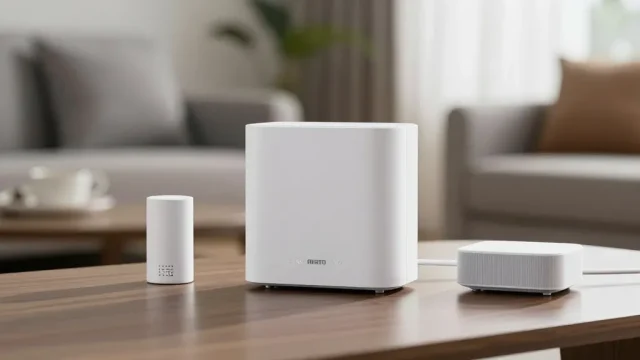
5 Smart Home Automations with One Motion Sensor
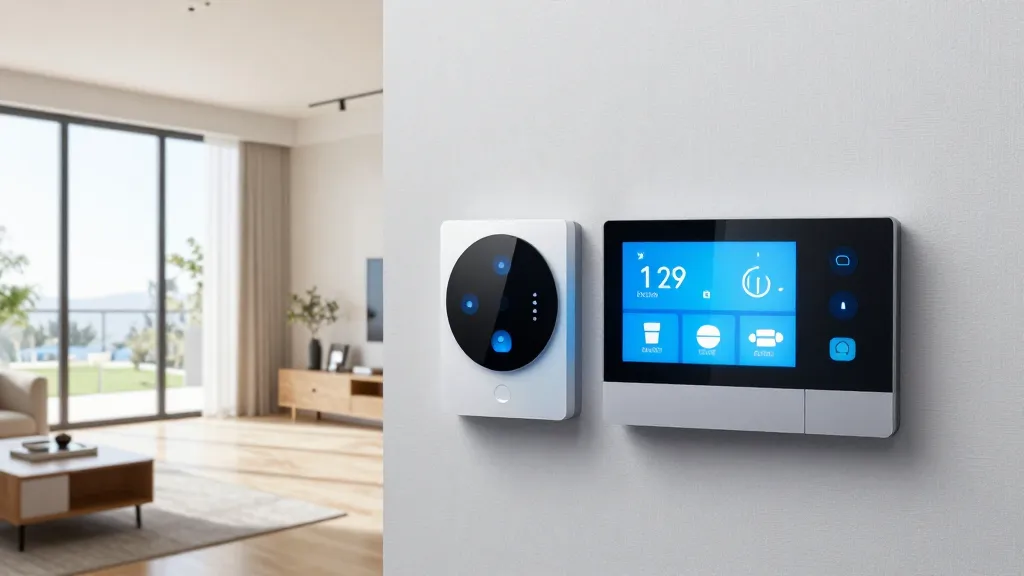
Looking for ways to make your home more convenient and energy-efficient? smart home automations with motion sensor can transform how you interact with your living space. These simple yet powerful tools can automate tasks like lighting, temperature control, and security, all triggered by motion. Whether you're a homeowner or renter, integrating a motion sensor into your smart home setup can save time and reduce energy waste. This article explores five practical uses of a single motion sensor to enhance your smart home experience. From outdoor lighting to security systems, each automation is designed to simplify your daily routine. By understanding how these systems work, you can make informed decisions about which solutions best fit your needs. Let’s dive into the world of smart home automation and discover how a motion sensor can make your life easier.
Why Motion Sensors Are Essential for Smart Home Automation
Motion sensors are a fundamental component of smart home automation, offering a seamless way to trigger devices without manual input. By detecting movement, these sensors enable a range of automated functions that enhance convenience, security, and energy efficiency. Whether it’s turning on lights, adjusting thermostats, or activating security systems, motion sensors provide a reliable and intuitive method to make a home smarter.
The Role of Motion Sensors in Smart Homes
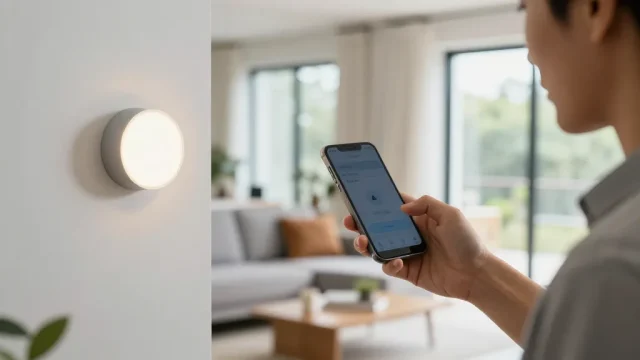
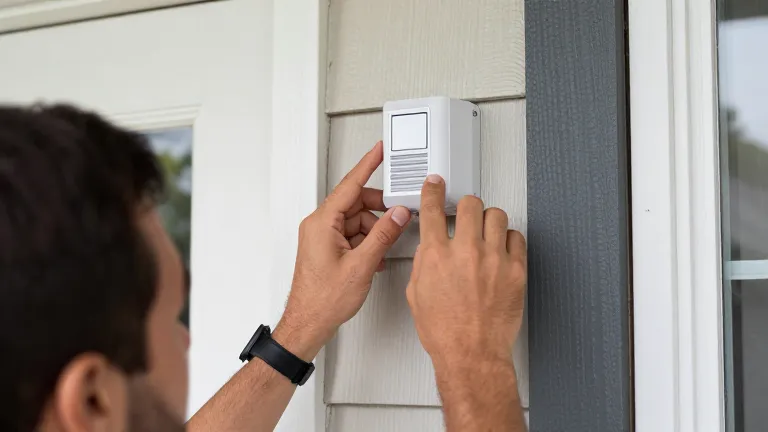
Motion sensors act as triggers for smart home devices, enabling automation that responds to real-time activity. For example, when motion is detected in a room, lights can automatically turn on, or a thermostat can adjust the temperature to ensure comfort. These sensors work by detecting changes in movement patterns, allowing devices to act autonomously. This not only reduces the need for manual intervention but also creates a more responsive living environment. The ability to automate tasks based on movement makes motion sensors a versatile tool in smart home setups.
Cost-Effectiveness and Ease of Installation
Motion sensors are an excellent choice for homeowners and renters looking for cost-effective and easy-to-install solutions. Most motion sensors are affordable, with prices ranging from $20 to $100 depending on features and brand. Installation is typically straightforward, requiring only basic tools and minimal wiring. Many modern sensors are wireless, eliminating the need for complex electrical work. This makes them accessible to both beginners and experienced users. Their simplicity ensures that even those without technical expertise can set them up quickly and efficiently, making them a practical addition to any smart home.
1. Automatic Lighting for Outdoor Spaces
Outdoor lighting automation using motion sensors offers a convenient and energy-efficient way to illuminate spaces when needed. By triggering lights automatically, homeowners can enhance safety and convenience, especially during nighttime returns. This setup eliminates the need for manual switches or phone apps, making it a simple yet effective smart home automation solution.
How to Set Up Motion-Activated Outdoor Lighting
Setting up motion-activated outdoor lighting involves connecting a motion sensor to a smart bulb or light fixture. Most modern motion sensors can be integrated with smart home systems like Alexa or Google Home, allowing them to control lights remotely. The sensor detects movement and sends a signal to turn on the lights, which typically stay on for a preset duration before turning off automatically.
Benefits of Automated Outdoor Lighting
Automated outdoor lighting improves safety by ensuring well-lit pathways and entry points, reducing the risk of accidents. It also enhances convenience, as lights activate without requiring any user input. Additionally, motion-activated lights help conserve energy by only operating when needed, which can lead to lower electricity bills over time. This feature is especially beneficial for homeowners with large properties or those who often return home late at night.
2. Smart Thermostat Adjustments Based on Movement
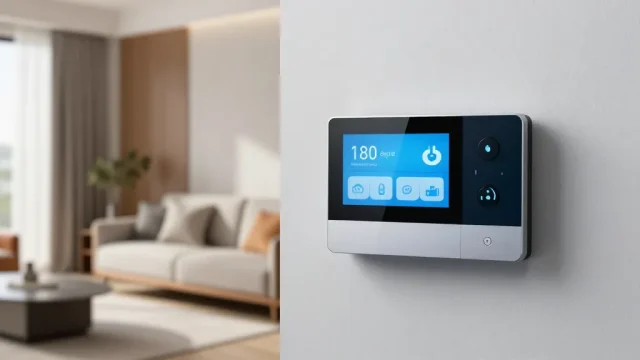
Smart thermostats can be integrated with motion sensors to create a more energy-efficient and comfortable living environment. By detecting movement, a motion sensor can trigger the thermostat to adjust the temperature automatically, ensuring that rooms are at the right temperature when people are present and conserving energy when spaces are unoccupied.

How Motion Sensors Can Work with Smart Thermostats
A motion sensor can detect when someone enters a room and send a signal to a smart thermostat, prompting it to adjust the temperature to a comfortable level. This integration allows for dynamic climate control, where heating or cooling is activated only when needed. For instance, if the motion sensor detects activity in a seldom-used room, the thermostat can ramp up the temperature to a livable setting, ensuring comfort without wasting energy when no one is around.
Energy Savings with Automated Temperature Control
Automated temperature control based on motion sensor data can significantly reduce energy consumption. When motion sensors detect that a room is empty, the thermostat can switch to an energy-saving mode, such as lowering the temperature in winter or raising it in summer. This not only cuts down on utility bills but also helps reduce the home’s carbon footprint. In large homes with multiple rooms, this setup ensures that energy is used efficiently, as only occupied spaces are heated or cooled, while unused areas remain at a lower energy cost.
3. Automated Security with Motion Detection
Automated security with motion detection is a powerful way to enhance home safety. By integrating motion sensors with security cameras, alarms, and smart home platforms, homeowners can create a responsive and proactive defense system. These systems are designed to detect movement and trigger actions that deter intruders and alert occupants to potential threats.
How to Set Up Motion-Activated Security Systems
Setting up a motion-activated security system involves connecting sensors to cameras or alarms and integrating them with a smart home hub. Most modern motion sensors can be paired with smart cameras like the Ring Video Doorbell or Arlo Pro, allowing for real-time video feeds and instant alerts. These sensors can be placed at entry points, windows, or around the perimeter of the home to cover key areas. Once installed, the system can be configured to send notifications to your smartphone or trigger lights and sirens to scare away intruders.
Benefits of Smart Home Security with Motion Sensors
The benefits of using motion sensors for security extend beyond immediate alerts. They provide a sense of constant vigilance, reducing the risk of break-ins by making it harder for intruders to operate undetected. Additionally, smart home platforms like Alexa or Google Home allow for centralized control, enabling users to monitor and manage their security systems from a single interface. This integration also allows for voice commands and automation rules that can enhance the system's responsiveness and convenience.
4. Smart Irrigation Systems with Motion Sensor Inputs
Smart irrigation systems can benefit significantly from motion sensor inputs, offering a way to optimize water use while enhancing the functionality of outdoor spaces.

How Motion Sensors Can Help with Smart Irrigation
Motion sensors can help with smart irrigation by detecting activity in the garden or yard. When someone is present, the sensor can signal the irrigation system to pause or delay watering, preventing unnecessary use of water and energy. This is particularly useful during times when the garden is being used, such as when people are walking through the yard or engaging in outdoor activities. By integrating motion sensors with smart irrigation systems, homeowners can ensure that water is only used when it's needed, which enhances efficiency and reduces waste.
Water Conservation with Automated Garden Systems
Automated garden systems that use motion sensors can lead to significant water conservation. These systems can adjust watering schedules based on real-time data, ensuring that water is applied only when the area is not in use. This not only helps in saving water but also lowers utility bills, making it a cost-effective solution for homeowners. Additionally, by reducing the amount of water used, these systems contribute to environmental sustainability, making them an attractive option for those looking to minimize their ecological footprint while maintaining a well-kept garden.
Frequently Asked Questions
Can a motion sensor control multiple smart home devices at once?
Yes, a motion sensor can control multiple smart home devices simultaneously. By integrating with a smart home hub or central control system, a single motion sensor can trigger actions across different devices, such as turning on lights, adjusting thermostats, or activating security cameras.
How do I install a motion sensor for smart home automation?
Installing a motion sensor typically involves connecting it to a smart home hub or directly to your Wi-Fi network. Follow the manufacturer's instructions for placement, power source, and pairing with your smart devices to ensure seamless integration and functionality.
What are the best motion sensors for smart home automation?
The best motion sensors for smart home automation depend on your specific needs and environment. Look for sensors with adjustable sensitivity, weather resistance, and compatibility with popular smart home platforms like Alexa, Google Home, or HomeKit.
Are there any security risks with using motion sensors in smart homes?
While motion sensors can enhance home security, they can also pose risks if not properly secured. Ensure your motion sensor and smart home network are protected with strong passwords, regular updates, and a secure Wi-Fi network to prevent unauthorized access.
Final Thoughts
Motion sensors are essential for smart home automation, offering seamless integration and convenience. They can control multiple devices, enhance security, and improve energy efficiency without the need for manual intervention.
To get started, choose a reliable motion sensor that fits your home's needs and integrate it with your smart home ecosystem. This simple step can transform your living space into a more efficient and secure environment.