How to Fix Android Phone Not Connecting to WiFi
Your Android phone should connect to WiFi without hassle, but sometimes it just won't. If you're struggling with how to fix Android phone not connecting to WiFi, you're not alone. Many users face this issue, often due to simple settings or connectivity problems. This guide will walk you through practical steps to resolve the issue without needing technical expertise. We'll start with basic checks and move to more advanced troubleshooting techniques, ensuring you can restore your WiFi connection quickly. Whether you're at home or in the office, these steps are designed to help you get back online with minimal effort.
Check Basic Connectivity Settings
Before diving into more complex solutions, start by verifying your Android phone's basic connectivity settings. Ensuring that WiFi is active and that your device is not in a restricted mode can resolve many connection issues without further troubleshooting.
Enable WiFi and Disable Airplane Mode
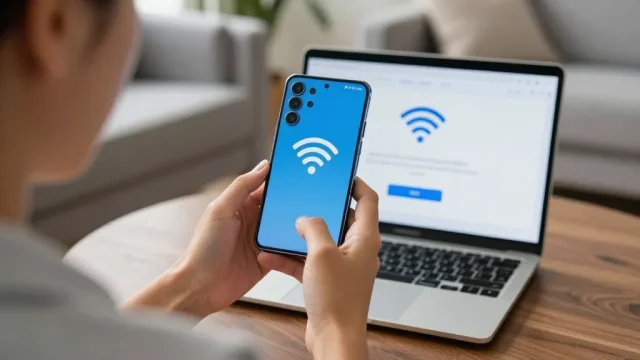
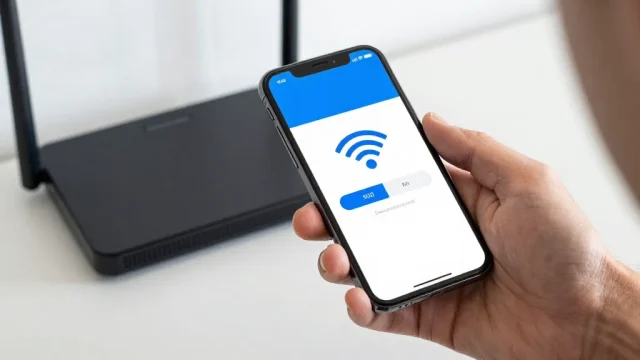
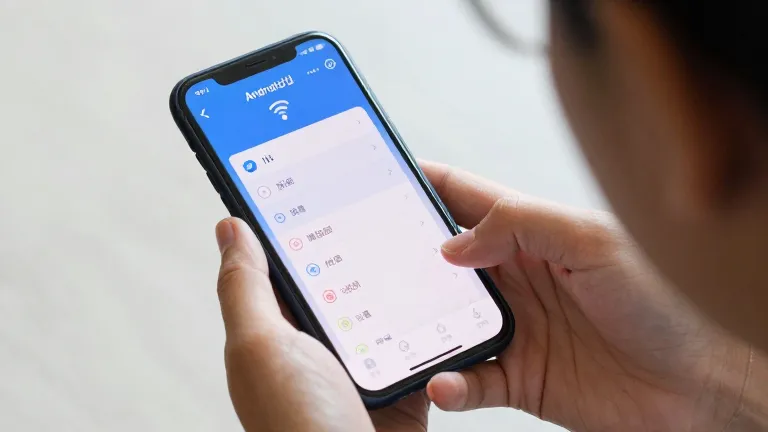
Make sure WiFi is enabled on your Android phone. Swipe down from the top of the screen to access the Quick Settings panel and tap the WiFi icon if it's grayed out. Alternatively, go to Settings > Network & Internet > WiFi and toggle the switch to turn it on. If your phone is in Airplane Mode, tap the Airplane Mode icon to disable it. This mode disables all wireless connections, including WiFi, so it's essential to turn it off if you're experiencing connectivity problems.
Check for Physical Obstructions
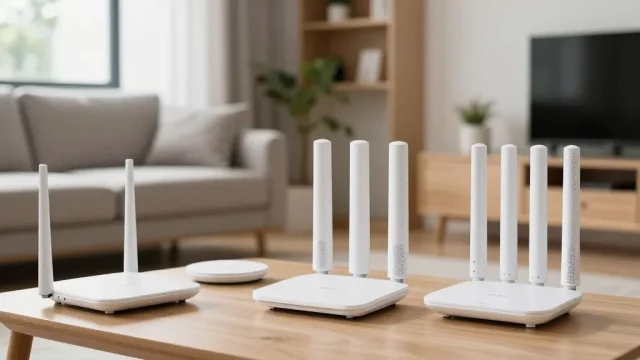
Physical obstructions can significantly affect WiFi signal strength and connectivity. Ensure your phone is within a reasonable distance from the WiFi router and that there are no thick walls, metal objects, or large electronic devices blocking the signal. These barriers can weaken or block the WiFi signal, making it difficult for your phone to connect. If you're in a large space, try moving closer to the router or using a WiFi extender to improve signal coverage. A strong, unobstructed signal is crucial for a stable connection.
Verify the WiFi Network and Password
Verifying the WiFi network and password is a crucial step in resolving connectivity issues. Even if your phone is set to connect to WiFi, incorrect credentials or a hidden network can prevent a successful connection. Start by confirming that the WiFi password is correct and that the network is properly configured on your device.
Confirm the WiFi Password Is Correct
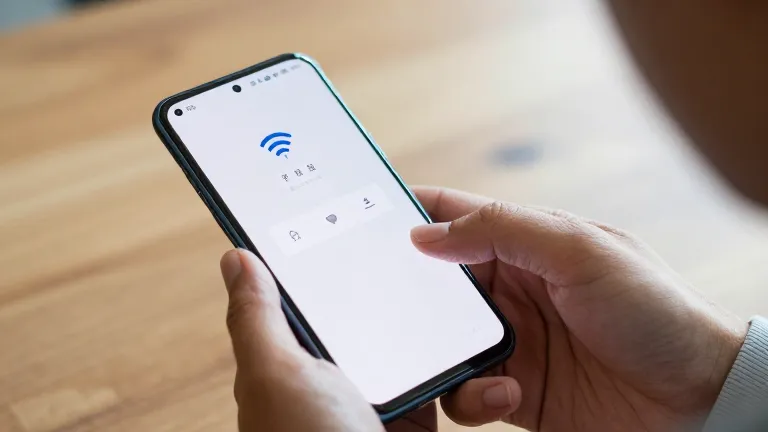
Make sure the WiFi password you're entering matches the one set on your router. Passwords are often case-sensitive, so double-check for uppercase and lowercase letters. If you're unsure about the password, refer to the router's label or the account settings where it was originally configured. Incorrect passwords are a common cause of failed connections, so re-entering the password carefully can resolve the issue.
Ensure the Network Is Visible
If the WiFi network is hidden, your phone may not display it in the list of available networks. Hidden networks require manual entry, so ensure you're entering the correct network name (SSID) and password. If the network is visible, it should appear in the list of nearby WiFi options. If it's missing, try restarting your phone or the router to refresh the network discovery process.
Restart the Router and Phone
Restarting your WiFi router and Android phone is a simple yet effective way to resolve connectivity issues. Temporary glitches in network hardware or software can often be cleared by giving the devices a fresh start.
Restart the WiFi Router
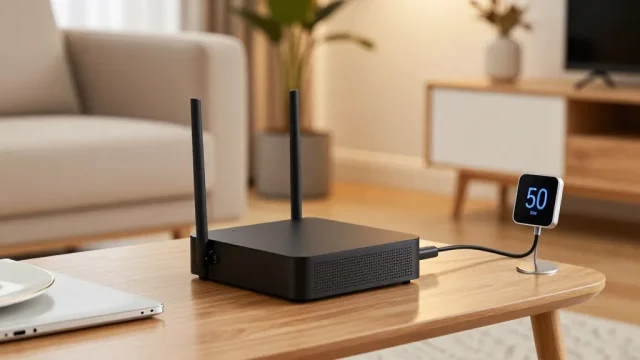
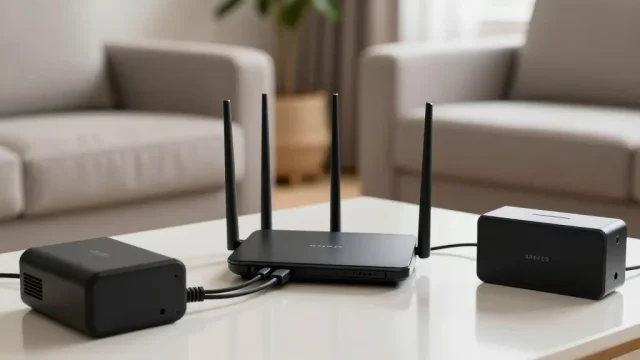
Restarting the WiFi router can resolve minor issues such as signal interference, outdated firmware, or temporary hardware malfunctions. To do this, locate the router's power button or unplug it from the electrical outlet. Leave it disconnected for at least 30 seconds to allow any residual power to drain. After this, plug it back in and wait for the router to fully reboot before attempting to reconnect your phone. This process helps reset the router's internal state and can often restore a stable connection.
Restart Your Android Phone
Restarting your Android phone can clear cached network information that may be causing connection problems. To restart, press and hold the power button until the 'Power Off' option appears, then select it. Wait a few moments, then press the power button again to turn the phone back on. This process ensures that the phone's network settings are refreshed and can help resolve issues related to outdated or corrupted data. Allow a few minutes for the phone to fully boot up and for the WiFi network to reappear in the list of available connections.
Forget and Reconnect to the WiFi Network
If your Android phone is having trouble connecting to WiFi, forgetting the network can resolve issues caused by corrupted settings or outdated information. This process removes the saved network details and allows you to reestablish the connection with updated parameters.
Remove the Network From Settings
To remove the network, open your phone's Settings app and navigate to WiFi. Tap the network you're trying to connect to, then select 'Forget Network'. This action deletes the saved credentials and clears any potential conflicts in the connection settings.
Reconnect Using the Correct Password
After forgetting the network, return to the WiFi settings and select the network again. Enter the correct password to reconnect. This step rebuilds the connection with fresh data, ensuring compatibility with your router's current configuration. Make sure the network is active and accessible before attempting to reconnect.
Troubleshoot Advanced Settings and Software Issues
If your Android phone still can't connect to WiFi after basic troubleshooting, it's time to check for software updates and reset network settings. These steps can resolve deeper system issues or corrupted configurations that prevent WiFi connectivity.
Update Your Android System
Updating your Android system ensures that you have the latest bug fixes and security patches, which can resolve underlying issues affecting WiFi connectivity. Go to Settings > System > Software Update to check for available updates. If an update is available, follow the prompts to download and install it. It's important to connect to a stable WiFi network during the update process to avoid interruptions.
Reset Network Settings
Resetting network settings can fix issues caused by misconfigured WiFi preferences or corrupted data. To do this, go to Settings > System > Reset > Reset Network Settings. This action will remove saved WiFi networks, Bluetooth pairings, and APN settings, restoring them to default. After resetting, you'll need to reconnect to WiFi networks manually, which can help eliminate configuration conflicts. If the problem persists, try connecting to a different WiFi network to isolate the issue.
Frequently Asked Questions
Why is my Android phone not showing any WiFi networks?
Your Android phone may not show WiFi networks due to incorrect settings or interference. Check if WiFi is enabled and ensure no physical obstructions are blocking the signal. If the issue persists, restarting your phone or router may help.
How do I fix the 'WiFi not working' error on my Android?
To fix the 'WiFi not working' error, first ensure WiFi is enabled and your phone is not in airplane mode. Restarting your phone or router can also resolve connectivity issues. Updating your Android system may help if the problem is software-related.
What should I do if my Android phone keeps disconnecting from WiFi?
If your Android phone keeps disconnecting from WiFi, try forgetting and reconnecting to the network. Updating your system or resetting network settings can also help. Ensure your router is functioning correctly and your phone is within range.
How can I force my Android phone to reconnect to WiFi?
To force your Android phone to reconnect to WiFi, go to WiFi settings and select the network again. You can also try forgetting the network and reconnecting with the correct password. Restarting your phone or router can also help establish a stable connection.
Final Tips for Stable WiFi Connection
To resolve Android phone WiFi issues, start with basic checks like enabling WiFi and ensuring no physical obstructions are present. If the problem persists, restarting your phone or router can often restore connectivity. For more complex issues, updating your system or resetting network settings may be necessary.
If you continue to experience problems, consider reaching out to your network provider or device support. Keeping your Android system updated and ensuring your WiFi network is stable can prevent future connectivity issues.