What Is the Right to Repair Movement and Why It Matters
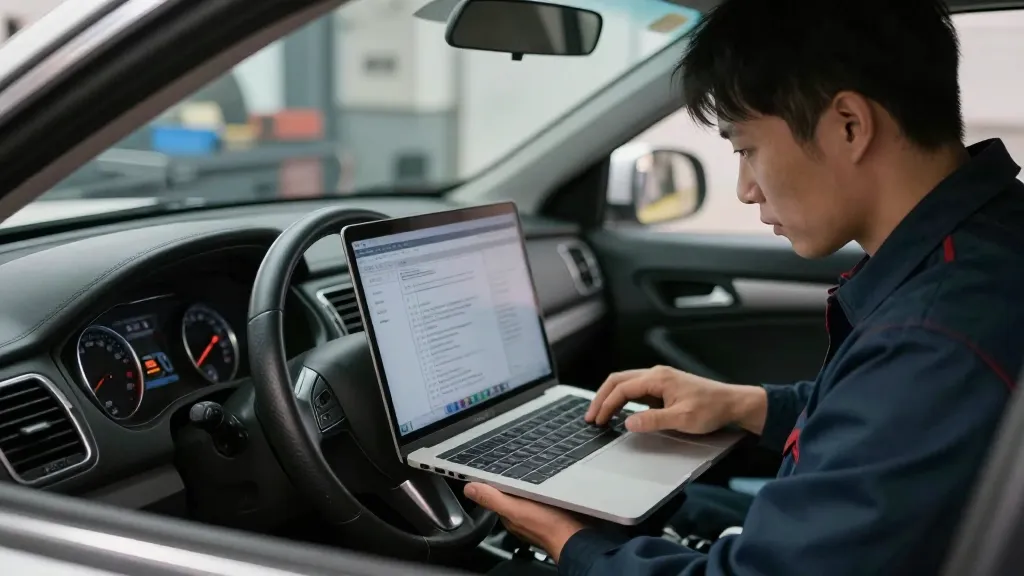
If you own a car, you’ve probably faced the frustration of expensive repairs and limited access to information about your vehicle’s inner workings. The right to repair cars is a growing movement aimed at giving consumers and mechanics the tools and transparency they need to fix vehicles without relying on costly dealership services. This issue has gained traction as automakers increasingly use software locks and proprietary tools to control repairs, making it harder for independent mechanics and DIY enthusiasts to maintain their vehicles. In this article, we’ll explore what the Right to Repair movement is, why it matters for car owners, and how you can support it. Whether you’re looking to save money or take control of your vehicle’s maintenance, understanding this movement is essential.
The Right to Repair movement began as a response to the growing complexity of modern technology, particularly in the automotive industry. Originally focused on electronics and consumer goods, it has now expanded to include cars, where manufacturers are using digital barriers to restrict access to repair information and tools. These restrictions not only increase repair costs but also limit the ability of independent mechanics to compete with dealership services. As a result, the movement has gained momentum, pushing for changes that would make car repairs more accessible and affordable for everyone.
By advocating for open standards and fair access to repair information, the Right to Repair movement is reshaping the automotive landscape. For car owners, this means potential cost savings, greater transparency, and the ability to choose between dealership services and independent mechanics. Supporting this movement can help ensure that you have the freedom to maintain your vehicle without unnecessary expenses. In the following sections, we’ll break down the key aspects of the Right to Repair movement and how you can take action to support it.
What Is the Right to Repair Movement?
The Right to Repair movement is a global initiative aimed at giving consumers the ability to repair their devices and vehicles themselves. It seeks to dismantle the barriers created by software locks and proprietary tools that often prevent users from accessing repair information or replacing parts. This movement has gained significant momentum in recent years, particularly within the automotive industry, where car manufacturers are increasingly limiting access to essential repair resources.

The Origins of the Right to Repair Movement
The Right to Repair movement originated as a response to the growing complexity of modern devices, including smartphones and computers. Initially, the focus was on consumers' ability to repair their own gadgets without relying on manufacturers' authorized service centers. This movement was driven by the belief that consumers should have the right to access repair manuals, diagnostic tools, and replacement parts, rather than being forced into expensive and often time-consuming service contracts. Over time, the movement expanded beyond electronics and began to address the challenges faced by car owners.
How the Movement Has Spread to Cars
In the automotive industry, the Right to Repair movement has gained traction as car manufacturers have increasingly implemented software restrictions that limit access to diagnostic tools and repair information. These restrictions often require mechanics to use proprietary software or pay for subscriptions to access critical data, making it difficult for independent mechanics to perform repairs. As a result, car owners are often left with limited options, either paying high repair costs or being unable to fix their vehicles at all. The spread of the movement to cars highlights a growing demand for transparency, affordability, and consumer control over vehicle maintenance.
Why the Right to Repair Matters for Car Owners
The Right to Repair movement is increasingly vital for car owners as it addresses the rising costs and limitations imposed by manufacturers. By advocating for access to repair manuals, diagnostic tools, and parts, the movement empowers consumers to reduce expenses and take control of their vehicle maintenance.
Cost Savings for Consumers
Car owners are frequently faced with steep repair costs due to the use of specialized tools and software by manufacturers. These tools and software are often exclusive to dealership services, making repairs more expensive for consumers. The Right to Repair movement challenges this by promoting the availability of these resources at lower costs, allowing individuals to perform repairs themselves or through independent mechanics without the need for costly dealership services.
Empowering Independent Mechanics
Independent mechanics and DIY enthusiasts benefit significantly from the Right to Repair movement. Access to open standards and affordable tools enables them to provide quality repairs without the high fees associated with dealership services. This not only supports local businesses but also encourages a competitive market, ensuring that consumers have more options and better pricing for their vehicle maintenance needs.
How the Right to Repair Works in the Automotive Industry
The automotive industry has increasingly adopted software locks and proprietary tools to control how car repairs are conducted, making it difficult for consumers and independent mechanics to perform repairs without paying for specialized access.
Software Locks and Proprietary Tools
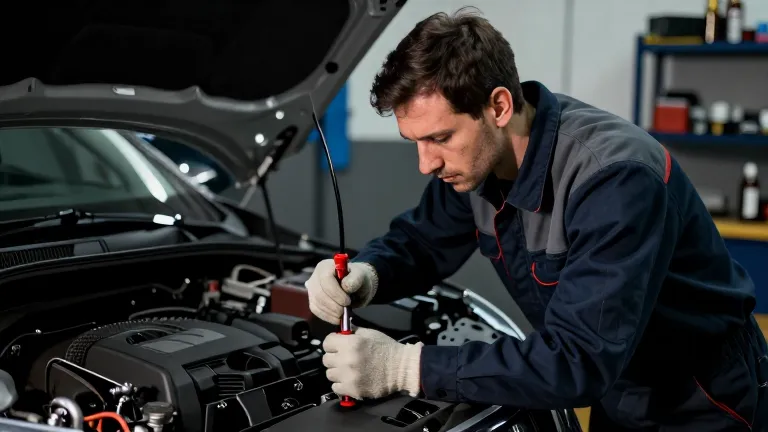
Automakers are using software locks to prevent unauthorized parts or tools from being used. These restrictions are embedded in vehicle systems and require specific software or tools to access diagnostic data or replace components. This means that even a simple repair, like replacing a spark plug, can become a complex and costly process if the necessary tools are not available. Mechanics and car owners often find themselves needing to purchase expensive subscriptions or tools to access the information and functions required for repairs, which can significantly increase the cost and time involved.
The Push for Open Standards
The movement is pushing for the creation of open repair standards and the removal of these software restrictions. Advocates argue that open standards would allow independent mechanics and car owners to access the information and tools they need without relying on proprietary systems controlled by automakers. By promoting transparency and accessibility, the right to repair movement aims to reduce costs, increase competition, and empower consumers to maintain their vehicles more effectively. This shift would not only benefit individual car owners but also support a broader ecosystem of independent repair services that can offer more affordable and sustainable repair options.
The Benefits of the Right to Repair for Consumers
The Right to Repair movement offers consumers tangible benefits that extend beyond cost savings, fostering a more sustainable and competitive repair market. By enabling greater access to information and tools, it empowers individuals and independent mechanics to make informed decisions, ultimately reducing reliance on expensive dealership services.
Financial and Environmental Benefits
Consumers can save significant amounts of money by repairing their own cars or using independent mechanics. With access to genuine parts and diagnostic tools, car owners can avoid the high costs associated with dealership repairs. This financial relief is especially impactful for those with limited budgets, allowing them to maintain their vehicles without breaking the bank. Additionally, the ability to repair cars independently reduces the need for frequent, costly service visits, providing long-term savings.
Encouraging Competition and Transparency
The movement encourages transparency and competition in the repair market by making repair information and tools more accessible. As more mechanics and consumers gain access to open standards and diagnostic data, the market becomes more competitive, driving down prices and improving service quality. This increased transparency also helps consumers compare repair options and make choices that align with their values and budgets. By supporting the Right to Repair, consumers contribute to a fairer, more open market that benefits everyone.
How You Can Support the Right to Repair Movement
Supporting the Right to Repair movement is a powerful way for car owners to take control of their vehicles and reduce reliance on expensive repairs. By advocating for open standards and removing software restrictions, you can help create a more transparent and competitive automotive industry.
- Advocate for legislation that promotes open repair standards and removes software locks on car diagnostics and tools.
- Use online repair guides and tools to fix your own car, reducing costs and increasing self-sufficiency.
- Choose independent mechanics who follow Right to Repair principles and avoid those with restrictive contracts.
- Support consumer advocacy groups that push for transparency and fair access to repair information.
Supporting Legislation and Advocacy
Supporting legislation is one of the most impactful ways to advance the Right to Repair movement. By lobbying for laws that require automakers to provide open access to repair manuals, diagnostic tools, and software, you help level the playing field for independent mechanics and consumers. These laws can also mandate that manufacturers stop using software locks to restrict access to genuine parts and tools.
DIY Repair Tips for Car Owners
DIY repair tips empower car owners to take control of their vehicles without relying on costly dealership services. By using online repair guides, video tutorials, and diagnostic tools, you can identify and fix minor issues yourself, saving money and time. This approach not only reduces repair costs but also promotes sustainability by extending the life of your vehicle and reducing waste.
Frequently Asked Questions
How can I repair my car without a mechanic?
You can repair your car without a mechanic by using car repair tools, learning basic maintenance skills, and accessing repair manuals. Many common issues, like replacing parts or checking fluids, can be fixed with DIY techniques. However, it's important to assess your comfort level and the complexity of the repair before attempting it.
What are the benefits of the Right to Repair movement?
The Right to Repair movement promotes cost savings for consumers, supports independent mechanics, and fosters competition. It also encourages transparency and sustainability by allowing repairs to be done without restrictive software or proprietary tools.
What tools do I need to repair my car?
To repair your car, you'll need basic tools like wrenches, screwdrivers, and a jack. Additionally, diagnostic tools and repair manuals are helpful for more complex tasks. The specific tools required will depend on the type of repair you're undertaking.
How can I support the Right to Repair movement?
You can support the Right to Repair movement by advocating for legislation that promotes open standards and fair access to repair information. Additionally, you can share your experiences with DIY repairs and support independent mechanics through your choices.
Take Action for Fair Repair Access
The Right to Repair movement is essential for empowering consumers and supporting independent mechanics. It promotes cost savings, environmental sustainability, and fair competition by ensuring access to repair information and tools.
To support the movement, advocate for legislation, share your DIY experiences, and consider supporting independent mechanics. By doing so, you help create a more transparent and accessible automotive repair landscape.