How to Fix WiFi Not Working: Step-by-Step Guide

If your WiFi is suddenly not working, it can be frustrating, especially when you rely on it for work or home tasks. Whether you're a homeowner or an office worker, knowing how to fix WiFi not working can save you time and hassle. This guide provides clear, step-by-step solutions to help you restore your connection without needing professional assistance. From checking basic settings to advanced troubleshooting, we cover the most common issues and practical fixes. You'll learn how to verify your device settings, restart your router, and improve signal strength. By following these steps, you can quickly resolve WiFi problems and get back online. The article also includes tips on updating software and checking router firmware to ensure everything is running smoothly. With the right approach, you can take control of your WiFi connectivity and avoid unnecessary downtime.
Check Basic Connectivity and Settings
Before diving into more complex solutions, it's essential to start with the basics. Many WiFi issues can be resolved by checking simple settings and ensuring that both your device and router are functioning properly. This section covers the initial steps to verify connectivity and settings, which can often resolve the problem without further troubleshooting.
Verify Device Settings
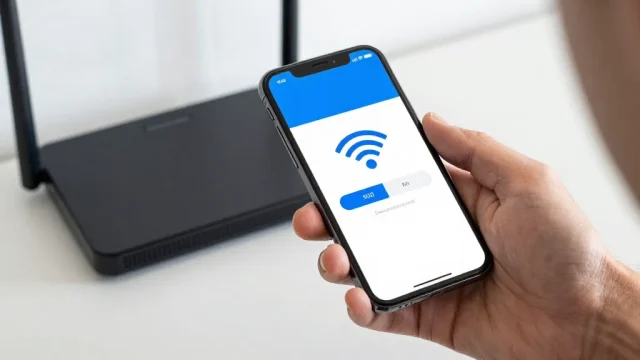
Begin by confirming that your device is powered on and connected to the correct WiFi network. Sometimes, devices may appear to be connected but are actually linked to a different network or have no connection at all. Check the WiFi settings menu on your device to ensure that the correct network is selected and that there are no additional networks interfering with the signal. If you're using a mobile hotspot or another device, ensure it's not blocking the connection.
Check Router Status
Next, verify that WiFi is enabled on your device and that no other network settings are causing conflicts. Some devices have settings that automatically switch to another network or disable WiFi when certain conditions are met, such as when a mobile data connection is active. Make sure that no other network profiles are set to 'always on' or prioritized over your primary WiFi connection. If you're using a laptop or desktop, also check that the WiFi adapter is not disabled in the device manager or settings.
Restart Your Devices and Router
Restarting your WiFi router and devices is a simple yet effective method to resolve intermittent connectivity issues. Temporary glitches in the network or device software can often be cleared by a complete restart, allowing the system to re-establish a stable connection.
- Turn off your WiFi router and wait for 30 seconds before turning it back on.
- Allow the router to fully boot up before attempting to reconnect to the network.
- Restart your device by holding the power button until it shuts down, then power it back on.
- Wait at least 2 minutes after restarting your device before checking for a WiFi connection.
Restarting the Router
Restarting your WiFi router can resolve minor issues like dropped connections, slow speeds, or login problems. When you power cycle the router, it clears temporary data and refreshes the network settings, which may have become corrupted or overloaded. This process also helps reset any firmware bugs or conflicts that might be affecting the router’s performance.
Restarting Your Device
Restarting your device helps clear software glitches that can interfere with WiFi connectivity. Issues such as misconfigured settings, background processes, or driver conflicts can be resolved by a full reboot. After restarting, your device will re-scan for available networks and attempt to reconnect automatically. If the connection is still unstable, consider checking for system updates or reinstalling the WiFi drivers.
Troubleshoot WiFi Network Issues
If your WiFi is not working, it's essential to troubleshoot the network itself. Issues like interference, physical obstructions, or network-specific problems can disrupt connectivity. By systematically checking these factors, you can identify and resolve the root cause without needing technical expertise.
Improve Signal Strength
Interference from other devices or physical barriers can significantly weaken your WiFi signal. Common sources of interference include microwaves, cordless phones, and Bluetooth devices, which operate on the same 2.4 GHz frequency as many WiFi networks. Additionally, walls, furniture, and metal objects can block or reflect signals, reducing coverage. To mitigate this, try turning off unnecessary devices and positioning your router in an open space to allow signals to spread more effectively.
Test with a Different Network
Moving closer to the router can help improve signal strength, especially if you're experiencing intermittent connectivity. The closer you are, the stronger the signal, which can reduce latency and boost performance. However, if moving closer doesn't resolve the issue, it may indicate a deeper problem such as a faulty router or network configuration. Try connecting to a different WiFi network to determine if the issue is specific to your current network or a broader connectivity problem.
Reset Network Settings on Your Device
Resetting network settings on your device can resolve connectivity issues caused by corrupted configurations or incorrect settings. This process clears stored network data and ensures your device reconnects to the WiFi network with updated parameters.
- Go to your device's WiFi settings and select the network you're trying to connect to.
- Tap or click the 'Forget' or 'Remove' option to delete the network from your device's memory.
- Reconnect to the WiFi network by entering the password again. This ensures your device establishes a fresh connection.
- If the issue persists, navigate to your device's network settings and look for an option to reset all network configurations.
- After resetting, your device will lose all saved WiFi networks and other network settings. Be prepared to reconfigure them.
- Ensure your device's IP address is set to automatic (DHCP) and check that it's not in a restricted range, which can prevent proper connectivity.
Forget and Reconnect to WiFi
Forgetting a WiFi network removes all stored information about that network, including the password and connection settings. This action can help resolve issues where the device is unable to connect due to outdated or incorrect data.
Reset Network Settings
Resetting network settings on your device clears all saved WiFi profiles and other network-related configurations. This can fix problems caused by corrupted settings or conflicts between different network profiles. After resetting, your device will prompt you to reconnect to WiFi networks from scratch, which can help establish a stable connection.
Advanced WiFi Troubleshooting
Advanced WiFi troubleshooting involves addressing deeper technical issues that may affect connectivity and performance. Ensuring your devices and router are up to date can resolve compatibility problems and improve overall network stability.
Update Software and Drivers
Updating the device's operating system and WiFi drivers is essential for resolving compatibility issues and enhancing security. Manufacturers often release updates that fix bugs, improve performance, and address known vulnerabilities. To update your device, go to the settings menu and check for system updates. For drivers, visit the manufacturer's website and download the latest version compatible with your hardware.
Check Router Firmware
Checking for firmware updates on your router is another key step in advanced WiFi troubleshooting. Firmware updates can improve performance, add new features, and patch security vulnerabilities. Access your router's admin panel by entering its IP address in a web browser, then navigate to the firmware update section. Always download updates from the manufacturer's official website to avoid compatibility issues. After installing the update, restart the router to apply the changes.
Frequently Asked Questions
What should I do if my WiFi is not working on my phone?
Start by checking if your phone is connected to the correct WiFi network. Restart your phone and the router. If the issue persists, try forgetting the network and reconnecting. If problems continue, consider resetting network settings or contacting your service provider.
How can I tell if my WiFi router is faulty?
Check if other devices can connect to the WiFi. Look for physical damage or blinking lights on the router. Try restarting the router. If the issue remains, the router might need firmware updates or replacement.
Why is my WiFi not working on my laptop but works on my phone?
The issue may be with the laptop's WiFi adapter or settings. Check for driver updates or network configuration errors. Ensure the laptop is within range of the router. If the problem persists, try resetting the network settings.
Can a software update fix WiFi issues on my device?
Yes, software updates often include bug fixes and improvements for WiFi connectivity. Check for system updates on your device. If the issue continues, updating the router's firmware might also resolve compatibility problems.
Next Steps for a Stable WiFi Connection
WiFi connectivity issues can often be resolved through simple troubleshooting steps. Start by checking device settings, restarting your router and device, and ensuring you're connected to the correct network. If problems persist, resetting network settings or updating software can help.
If you're still experiencing issues, consider advanced troubleshooting such as checking router firmware or contacting your service provider. Keeping your device and network settings up to date can prevent many common WiFi problems.